Fluorinated release liners represent the pinnacle of transdermal packaging technology, offering superior chemical inertness and ultra-low surface energy that standard silicone-based liners cannot match. These advanced liners prevent active pharmaceutical ingredients (APIs) and complex plasticizers from migrating into the packaging, ensuring drug potency and a consistent "easy-peel" experience for the end user. For brand owners and high-volume distributors, this translates to extended shelf life, reduced product failure rates, and a premium user experience that protects brand reputation.
Core Takeaway: Fluorinated release liners are essential for transdermal products involving aggressive drug formulations or enhancers. They provide a chemically "dead" barrier that prevents drug absorption and ensures effortless removal, securing both the therapeutic integrity and the commercial viability of the product.
Superior Chemical Resistance and API Stability
Prevention of Drug Migration and Absorption
Standard liners can sometimes interact with the drug-loaded adhesive matrix, leading to the absorption of the API into the liner itself. Fluorinated liners are characterized by superior chemical inertness, creating an uncompromising barrier that ensures the drug remains within the adhesive layer where it belongs.
Compatibility with Complex Enhancers
Modern transdermal patches often utilize potent permeation enhancers and complex plasticizers that can degrade or permeate standard silicone coatings. Fluoropolymer coatings are specifically engineered to resist these aggressive chemicals, maintaining the patch's chemical profile throughout its entire shelf life.
Preservation of Shelf Life
By preventing the migration of volatile components and protecting the drug from environmental interactions, fluorinated liners support long-term stability. For enterprise-level distributors, this means more reliable inventory management and reduced risk of stock expiration due to potency loss.
Optimized Physical Performance and User Experience
Ultra-Low Surface Energy for Easy Removal
The extremely low surface energy of fluorine-coated liners prevents pressure-sensitive adhesives from forming a permanent bond with the carrier. This ensures that even the most "aggressive" medical adhesives can be completely and easily peeled away by the patient without the risk of tearing or deforming the drug matrix.
Consistency in Release Force
Fluctuations in peel force can lead to "adhesive transfer" or difficulty in application, which frustrates users and diminishes brand trust. Fluorinated liners provide a stable peel force, ensuring that every patch in a high-volume production run performs identically from the first unit to the millionth.
Structural Integrity of the Adhesive Layer
A high-quality fluorinated liner ensures that the physical structure of the medicated adhesive remains intact during removal. Because the liner releases so cleanly, there is no residue left behind and no damage to the patch’s edges, ensuring maximum skin contact and effective drug delivery.
Understanding the Trade-offs
Cost Considerations in Large-Scale Production
The primary trade-off with fluorinated liners is the increased material cost compared to standard silicone-coated polyester liners. For B2B partners, this requires a strategic assessment of whether the drug formulation’s complexity justifies the premium price point to avoid the much higher costs of product recalls or stability failures.
Manufacturing and Application Specifics
While fluorinated liners offer the highest performance, they require specialized manufacturing expertise and precise coating equipment to ensure uniformity across massive production scales. Brand owners must partner with GMP-certified facilities that have the R&D prowess to match the specific liner grade to the custom formulation of the patch.
How to Apply This to Your Product Strategy
Selecting the Right Liner for Your Goal
Choosing between a standard and a fluorinated liner is a critical decision that impacts your manufacturing overhead and your product's market success.
- If your primary focus is high-potency drugs or complex formulas: Utilize a fluorinated liner to guarantee chemical stability and prevent the API from migrating into the primary packaging.
- If your primary focus is brand premiumization and user experience: Choose fluorinated technology to ensure a smooth, effortless peel that signals high quality to the end-consumer.
- If your primary focus is cost-optimization for simple, non-reactive adhesives: A standard silicone-based liner may be sufficient, provided rigorous stability testing confirms no interaction with the drug matrix.
Investing in fluorinated release liner technology is a strategic move that secures the therapeutic efficacy and commercial reliability of advanced transdermal delivery systems.
Summary Table:
| Feature | Standard Silicone Liner | Fluorinated Release Liner |
|---|---|---|
| Chemical Resistance | Moderate; may absorb some APIs | High; inert to aggressive drugs/enhancers |
| Surface Energy | Low | Ultra-Low (Prevents adhesive bonding) |
| Peel Consistency | May fluctuate over time | Highly stable "easy-peel" force |
| Shelf Life | Risk of API degradation | Maximum stability and potency retention |
| Best Use Case | Basic, non-reactive formulas | Complex, high-potency drug delivery |
Scale Your Transdermal Production with Enokon
Ensure your product's therapeutic integrity and market success with Enokon, a trusted manufacturer specializing in high-volume, GMP-certified transdermal patch production. We provide enterprise-level brand owners and distributors with turnkey OEM/ODM solutions, from custom R&D formulations to massive production capacity.
Our expertise covers a comprehensive range of transdermal products (excluding microneedle technology), including Lidocaine, Menthol, Capsicum, Herbal, and Medical Cooling Gel patches. By leveraging advanced fluorinated liner technology, we guarantee superior API stability and a premium user experience that protects your brand reputation and profit margins.
Ready to elevate your product line with a reliable manufacturing partner?
Contact Enokon Today for Custom R&D and Wholesale Solutions
References
- Chunyi Zhao, Liang Fang. Effect of isopropyl myristate on the viscoelasticity and drug release of a drug-in-adhesive transdermal patch containing blonanserin. DOI: 10.1016/j.apsb.2016.05.012
This article is also based on technical information from Enokon Knowledge Base .
Related Products
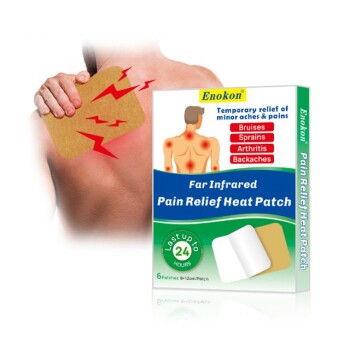
- Far Infrared Heat Pain Relief Patches Transdermal Patches
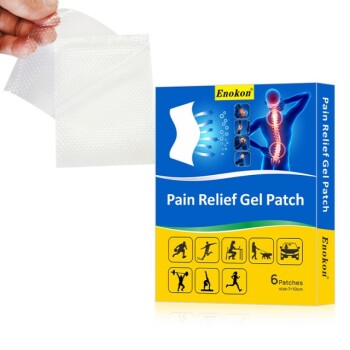
- Menthol Gel Pain Relief Patch
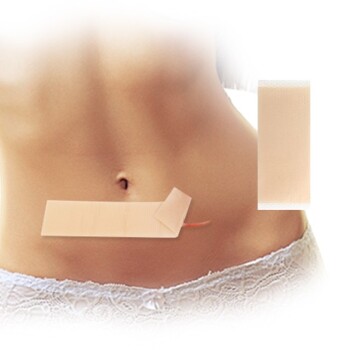
- Silicone Scar Sheets Patch Transdermal Drug Patch
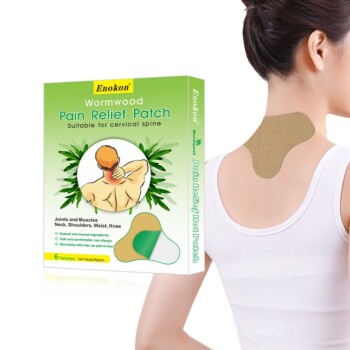
- Mugwort Wormwood Pain Relief Patch for Neck Pain
- Icy Hot Menthol Medicine Pain Relief Patch
People Also Ask
- Why is the control of material particle size critical in the development of Far Infrared pain relief patches? Boost Efficacy
- Why is the selection of matrix materials critical when developing customized transdermal patches? Optimize Efficacy
- What are the physical impacts of external heat exposure on the performance and safety of transdermal patches? - Guide
- What are the clinical advantages of local transdermal delivery systems? Unlock Safer, More Effective Pain Relief Solutions
- What role does a skin tolerance scoring system play in the safety evaluation of transdermal patches? Key Safety Metrics