Toggle Categories
Get Instant Support
Choose your preferred way to connect with our team
-
Get Free Quote Fill out form for detailed pricing
-
Send Email Detailed inquiry support
-
WhatsApp Quick mobile chat
Response Time
Within 8 hours on working days, 24 hours on holidays
Eye Care Series
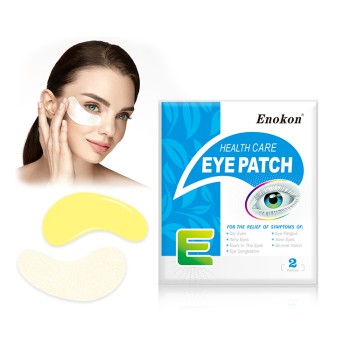
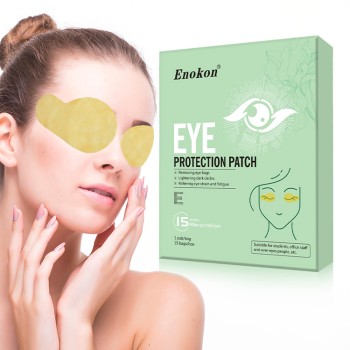
Eye Care Series

Hydra Gel Health Care Eye Patch
Item Number: ENEP02D

Herbal Eye Protection Patch Eye Patch
Item Number: ENEP03L
REQUEST A QUOTE
Our professional team will reply to you within one business day. Please feel free to contact us!
Related Articles
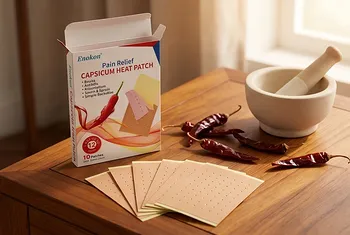
The Capsaicin Paradox: How a Pain-Inducer Becomes a Pain-Reliever
Capsaicin patches work by paradoxically desensitizing pain receptors. Understanding this mechanism is key to safe, effective transdermal drug delivery.
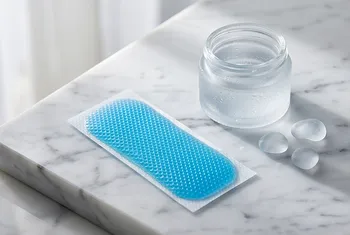
Beyond the Pill: The Engineering and Psychology of Targeted Heat Therapy
Explore the science behind self-heating patches—a drug-free solution that uses targeted heat to manage pain by working with the body's natural systems.
The Controlled Reaction: How Self-Heating Patches Engineer Muscle Relief
Self-heating patches use a controlled exothermic reaction to increase blood flow, flushing out waste and delivering oxygen to unlock stiff muscles.
The Silent Engine of Recovery: How Thermotherapy Patches Rewire Muscle Healing
Discover the science behind self-heating patches: how controlled exothermic reactions enhance blood flow, reduce pain, and accelerate muscle recovery.
Precision Over Pills: The Engineering and Psychology of Targeted Pain Relief
Discover why targeted heat therapy, like self-heating patches, offers a superior physical and psychological solution to pain over systemic medication.
The Invisible Engine: How Self-Heating Patches Uncouple Pain Relief from Place
Self-heating patches offer true portability by solving key engineering challenges of weight, power, and discretion for on-the-go pain relief.
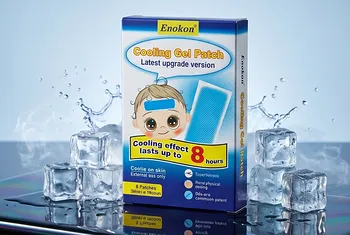
The Quiet Engineering of Comfort: Decoding the 8-Hour Lifespan of a Cooling Patch
Discover the hidden science behind a cooling patch's lifespan. Learn how thermodynamics, material quality, and your environment dictate its effectiveness.
The Engineering of Relief: Why Targeted Heat Patches Outperform Traditional Methods
Discover how self-heating patches use localized, transdermal heat delivery for superior, drug-free pain management and recovery.
The Silent Guardian: Deconstructing the Engineering of Nighttime Cooling Patches
Cooling patches are more than first aid; they are feats of material science designed for psychological comfort and uninterrupted sleep.
Precision in a Patch: The Vascular Dynamics of Localized Heat Therapy
Self-heating patches use localized vasodilation to enhance blood flow, delivering targeted pain relief and faster healing without systemic effects.
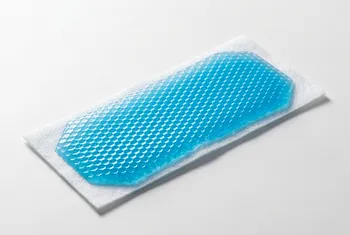
The Physics of Comfort: Why Engineered Cooling Patches Outperform Traditional Fever Care
Cooling patches aren't just convenient; they reduce the cognitive load of caregiving through superior thermal engineering and human-centric design.
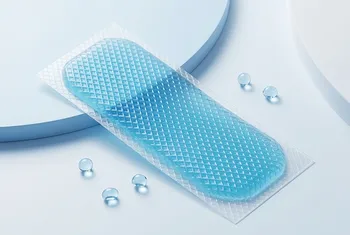
The Engineering of Reassurance: Cooling Patches and the Newborn Fever
Beyond convenience: a deep dive into the material science and physiology dictating the safe use of cooling hydrogel patches on newborns.
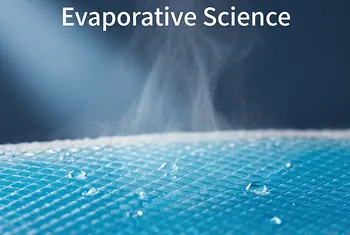
Efficacy vs. Economy: The Deliberate Engineering of Single-Use Cooling Patches
Discover why single-use cooling patches are a deliberate engineering choice, balancing hydrogel efficacy with critical hygiene standards for user safety.
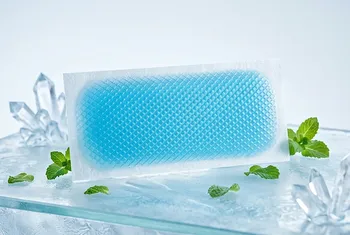
Beyond the Application Site: Systemic Risks of Transdermal Testosterone and the Engineering Mandate for Reliability
A deep dive into rare testosterone patch side effects and the critical importance of formulation and manufacturing in mitigating systemic patient risks.
Beyond Size: The Hidden Physiology in Cooling Patch Design
A cooling patch isn't just a patch. Discover the deep physiological and material science differences between adult and baby versions.
The Last Centimeter: Why How You Apply a Transdermal Patch Defines Its Success
Effective relief from a cooling patch depends on the crucial interface between skin and material science. Discover why application is engineering.
The Quiet Genius of the Cooling Patch: Beyond the Fever
Discover the hidden engineering of hydrogel cooling patches and their versatile, drug-free applications in pain management, heat stress, and pediatric care.
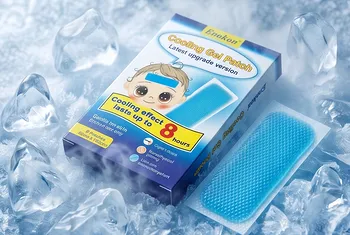
The Elegant Thermodynamics of Relief: How Hydrogel Patches Master Fever and Pain
Discover the endothermic process of hydrogel patches, which use water evaporation to safely reduce fever and numb pain without medication.
The Adherence Paradox: Why Minor Side Effects in Transdermal Patches Are a Major Engineering Problem
Minor side effects like skin irritation in transdermal patches can derail treatment. The solution lies in superior materials science and user-centric design.
Beyond the Molecule: The Human Factors of Testosterone Patch Safety
Effective hormone therapy is a system of human behavior and product reliability. A deep dive into the hidden protocols of testosterone patch safety.