Toggle Categories
Get Instant Support
Choose your preferred way to connect with our team
-
Get Free Quote Fill out form for detailed pricing
-
Send Email Detailed inquiry support
-
WhatsApp Quick mobile chat
Response Time
Within 8 hours on working days, 24 hours on holidays
Capsicum Plaster
A thermal pain relief patch used for various pain symptoms caused by joint and muscle pain, shoulder and back pain, fracture pain, frostbite, and sprains, especially suitable for pain caused by various injuries and chronic pain.
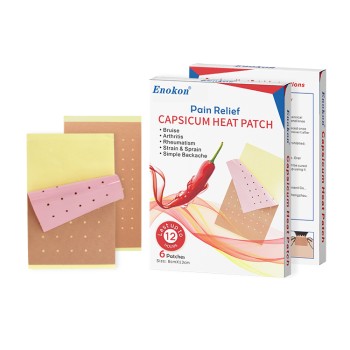
Capsicum Plaster

Capsaicin Chili Medicated Pain Relief Patches
Item Number: ENCP0813

Heat Relief Capsicum Patch for Lower Back Pain Relief
Item Number: ENCP0710
REQUEST A QUOTE
Our professional team will reply to you within one business day. Please feel free to contact us!
Related Articles
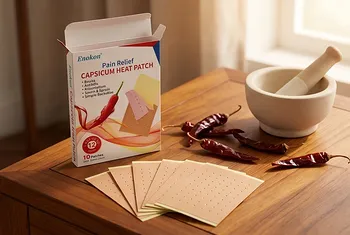
The Capsaicin Paradox: How a Pain-Inducer Becomes a Pain-Reliever
Capsaicin patches work by paradoxically desensitizing pain receptors. Understanding this mechanism is key to safe, effective transdermal drug delivery.
Beyond the Pill: The Engineering and Psychology of Targeted Heat Therapy
Explore the science behind self-heating patches—a drug-free solution that uses targeted heat to manage pain by working with the body's natural systems.
Thermodynamics of Trust: The Precise Engineering of an 8-Hour Heat Patch
Discover the materials science and engineering behind the predictable 8-12 hour duration of self-heating patches for reliable pain relief.
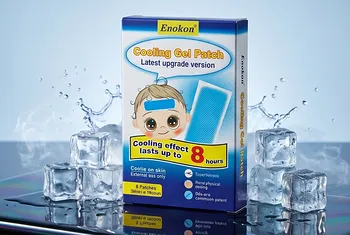
The Controlled Reaction: How Self-Heating Patches Engineer Muscle Relief
Self-heating patches use a controlled exothermic reaction to increase blood flow, flushing out waste and delivering oxygen to unlock stiff muscles.
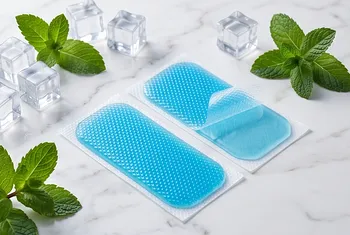
The Silent Engine of Recovery: How Thermotherapy Patches Rewire Muscle Healing
Discover the science behind self-heating patches: how controlled exothermic reactions enhance blood flow, reduce pain, and accelerate muscle recovery.
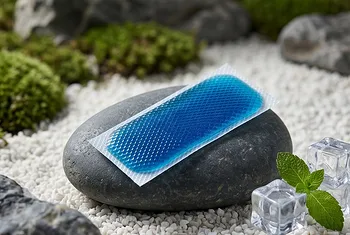
Precision Over Pills: The Engineering and Psychology of Targeted Pain Relief
Discover why targeted heat therapy, like self-heating patches, offers a superior physical and psychological solution to pain over systemic medication.
The Invisible Engine: How Self-Heating Patches Uncouple Pain Relief from Place
Self-heating patches offer true portability by solving key engineering challenges of weight, power, and discretion for on-the-go pain relief.
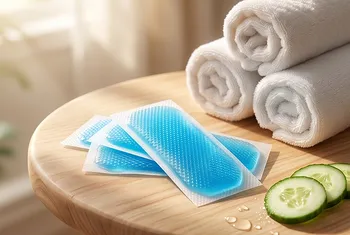
Beyond Pain Relief: The Compounding Returns of Restored Mobility
Explore the systemic benefits of self-heating patches, from preventing injury to enhancing mental clarity by restoring the freedom of movement.
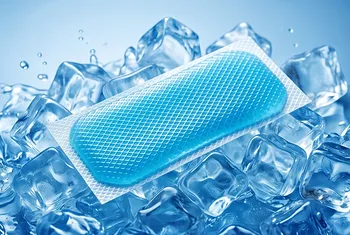
The Quiet Engineering of Comfort: Decoding the 8-Hour Lifespan of a Cooling Patch
Discover the hidden science behind a cooling patch's lifespan. Learn how thermodynamics, material quality, and your environment dictate its effectiveness.
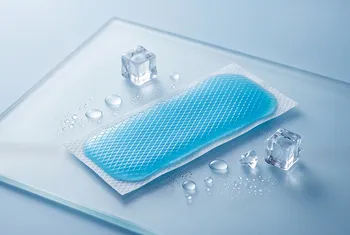
The Engineering of Relief: Why Targeted Heat Patches Outperform Traditional Methods
Discover how self-heating patches use localized, transdermal heat delivery for superior, drug-free pain management and recovery.
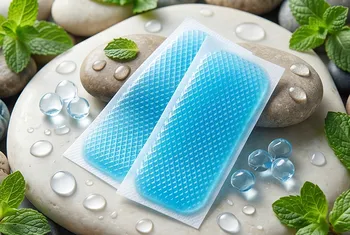
The Silent Guardian: Deconstructing the Engineering of Nighttime Cooling Patches
Cooling patches are more than first aid; they are feats of material science designed for psychological comfort and uninterrupted sleep.
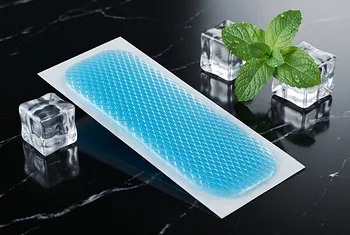
Precision in a Patch: The Vascular Dynamics of Localized Heat Therapy
Self-heating patches use localized vasodilation to enhance blood flow, delivering targeted pain relief and faster healing without systemic effects.
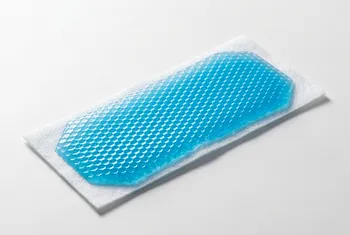
The Physics of Comfort: Why Engineered Cooling Patches Outperform Traditional Fever Care
Cooling patches aren't just convenient; they reduce the cognitive load of caregiving through superior thermal engineering and human-centric design.

Efficacy vs. Economy: The Deliberate Engineering of Single-Use Cooling Patches
Discover why single-use cooling patches are a deliberate engineering choice, balancing hydrogel efficacy with critical hygiene standards for user safety.
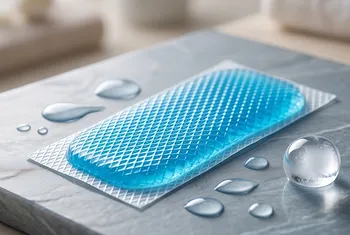
Beyond Size: The Hidden Physiology in Cooling Patch Design
A cooling patch isn't just a patch. Discover the deep physiological and material science differences between adult and baby versions.
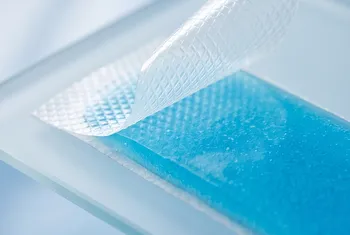
The Last Centimeter: Why How You Apply a Transdermal Patch Defines Its Success
Effective relief from a cooling patch depends on the crucial interface between skin and material science. Discover why application is engineering.
The Quiet Genius of the Cooling Patch: Beyond the Fever
Discover the hidden engineering of hydrogel cooling patches and their versatile, drug-free applications in pain management, heat stress, and pediatric care.
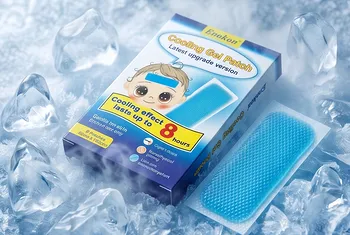
The Elegant Thermodynamics of Relief: How Hydrogel Patches Master Fever and Pain
Discover the endothermic process of hydrogel patches, which use water evaporation to safely reduce fever and numb pain without medication.
The Adherence Paradox: Why Minor Side Effects in Transdermal Patches Are a Major Engineering Problem
Minor side effects like skin irritation in transdermal patches can derail treatment. The solution lies in superior materials science and user-centric design.
Beyond the Molecule: The Human Factors of Testosterone Patch Safety
Effective hormone therapy is a system of human behavior and product reliability. A deep dive into the hidden protocols of testosterone patch safety.