The Illusion of a Simple Solution
Fever feels different at different stages of life. For an adult, it's a frustrating inconvenience—a dull headache and a wave of heat that disrupts a busy day. For a parent watching their infant, it's a moment of quiet anxiety, where every small change in temperature is monitored with care.
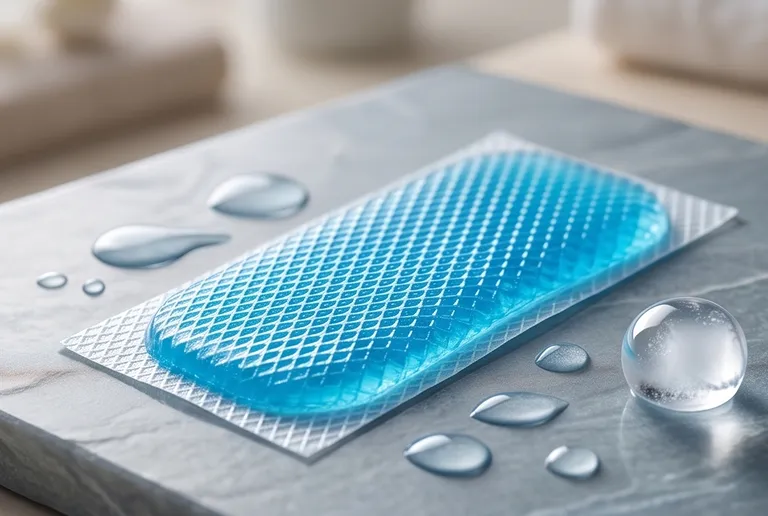
In both scenarios, we reach for a cooling patch. It seems like a simple, elegant tool: a cool, adhesive hydrogel that offers physical relief without medication.
But the belief that a baby cooling patch is merely a smaller version of an adult one is a profound misunderstanding. The difference isn't just in scale; it's a story of two entirely different physiological systems and the engineering precision required to serve them safely.
A Tale of Two Thermostats: Adult vs. Infant Physiology
Designing a product for the human body requires a deep respect for its internal systems. When it comes to thermoregulation, an adult and a baby might as well be different species.
The Adult System: Robust and Resilient
An adult's thermoregulation system is fully developed. We shiver, sweat, and redirect blood flow with impressive efficiency. A cooling patch for an adult is an aid—a tool to manage the discomfort of a fever. Its job is to provide noticeable, sustained cooling to a larger surface area, helping the user feel more comfortable while their body does the hard work.
The Infant System: Delicate and Developing
A baby’s world is one of radical vulnerability. Their thermoregulation system is immature, making them susceptible to rapid temperature changes. Their skin is thinner, more permeable, and significantly more sensitive.
Furthermore, their surface-area-to-volume ratio is much higher. This means a cooling patch has a disproportionately larger effect on their tiny body. A patch designed for an adult could dangerously over-cool an infant, overwhelming their delicate system.
The engineering challenge, therefore, is not to create a weaker patch, but a fundamentally different one—one designed with a deep understanding of infant physiology.
Translating Physiology into Material Science
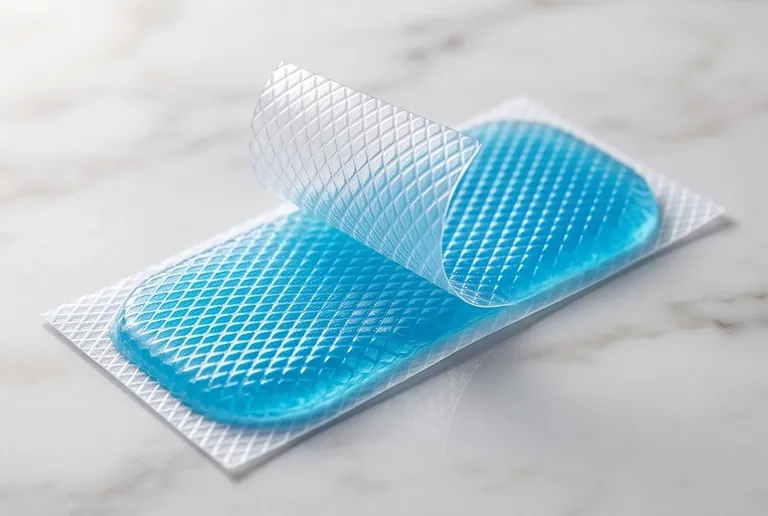
This deep understanding translates directly into specific design choices. Every element, from the hydrogel formulation to the adhesive, must be re-evaluated through the lens of user safety and efficacy.
1. Cooling Strength: A Calibrated Dose
- For Adults: Formulations can contain a higher concentration of cooling agents to deliver a powerful and immediate sensation of relief across a larger body mass.
- For Babies: The formulation is intentionally milder. The goal is gentle, passive cooling through evaporation, not an aggressive drop in temperature. The hydrogel provides soothing comfort without disrupting the body's natural fever response.
2. Skin Safety: The First Line of Defense
- For Adults: Adhesives are designed for durability and flexibility, allowing the user to remain active. While skin safety is a factor, the primary focus is staying power.
- For Babies: The adhesive is a critical safety feature. It must be exceptionally gentle and hypoallergenic to prevent irritation on sensitive skin. Fragrances, harsh chemicals, and aggressive bonding agents are eliminated. The design must account for the likelihood of removal causing distress.
3. Ergonomics and Design: Form Follows Function
- For Adults: Patches are simple rectangles, optimized for coverage on the forehead, neck, or back.
- For Babies: The patch is smaller and often contoured to fit a baby's curved forehead without obstructing their eyes or slipping. The design prioritizes a secure, comfortable fit on a user who cannot stay still and cannot communicate discomfort.
| Feature | Adult Cooling Patch | Baby Cooling Patch |
|---|---|---|
| Physiological Goal | Symptom relief for a resilient system | Gentle comfort for a delicate system |
| Size | Large, for maximum coverage | Small, contoured for a baby’s forehead |
| Cooling Strength | Higher concentration for strong effect | Milder, gentle hydrogel to prevent over-cooling |
| Skin Safety | Standard, durable adhesives | Ultra-gentle, hypoallergenic, fragrance-free |
| Primary Use | Relief from fever and headaches | Soothing during teething, fevers, vaccinations |
The Manufacturing Mandate: Precision and Responsibility
Creating these two distinct products isn't a simple matter of changing a formula on a production line. It demands a manufacturing partner with a deep R&D focus.
For pediatric products, regulatory standards are rightfully stricter. Materials must undergo rigorous testing for toxicity, skin compatibility, and even potential choking hazards. The consistency of the hydrogel and the gentleness of the adhesive must be guaranteed from batch to batch.
This is where expertise in transdermal technology becomes paramount. At Enokon, we specialize in this world of precision. As a bulk manufacturer for healthcare distributors and pharmaceutical brands, our work is grounded in the science of skin. We partner with clients to develop custom formulations that meet the specific physiological needs and safety standards of their target users—from a working adult to a sleeping infant.
For healthcare brands looking to develop transdermal solutions grounded in this precision, the right manufacturing partner makes all the difference. Contact Our Experts to explore your custom formulation needs.
Related Products
- Cooling Fever Patches Color Change Cold Fever Patch
- Medical Cooling Gel Patches for Fever Cooling Patches
- Herbal Eye Protection Patch Eye Patch
- Hydra Gel Health Care Eye Patch
- Icy Hot Menthol Medicine Pain Relief Patch
Related Articles
- The Quiet Engineering of Comfort: Decoding the 8-Hour Lifespan of a Cooling Patch
- The Last Centimeter: Why How You Apply a Transdermal Patch Defines Its Success
- The Physics of Comfort: Why Engineered Cooling Patches Outperform Traditional Fever Care
- Beyond the Pill: The Engineering and Psychology of Modern Fever Relief
- The Silent Guardian: Deconstructing the Engineering of Nighttime Cooling Patches



















