The Psychology of a Simple Solution
It’s 2 AM. Your child has a fever. In that moment of quiet concern, you reach for a cooling patch.
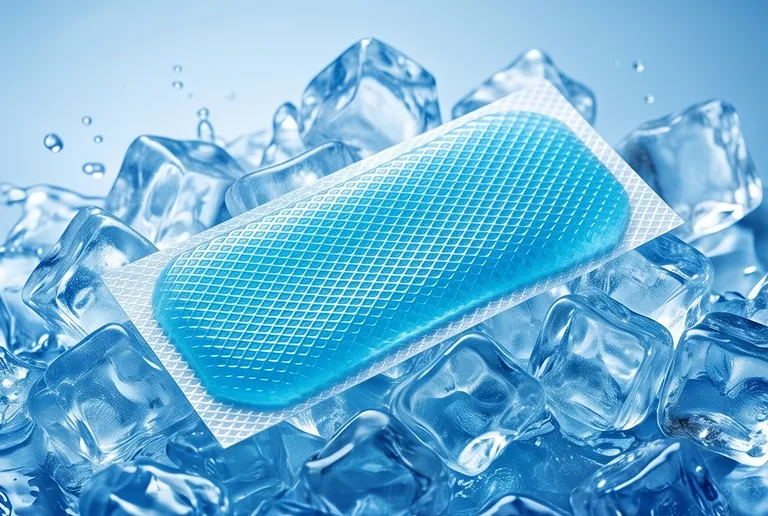
This small, gel-like strip isn't a cure, but it is an action. It’s a tangible application of comfort, a way to do something when you feel helpless. The cool sensation provides immediate, gentle relief.
From a psychological perspective, the cooling patch is an instrument of reassurance. But beneath that feeling lies a simple, elegant piece of engineering designed to function within a precise operational window.
The Unseen Battle: Heat Transfer in Action
A cooling patch works through the principle of evaporative cooling. The hydrogel layer is saturated with water, which slowly evaporates upon contact with warm skin. This phase change from liquid to gas draws thermal energy away from the body, creating a cooling sensation.
It’s a passive, self-regulating system. There are no electronics, no moving parts—just the laws of thermodynamics at work.
The 8-Hour Promise
Most cooling patches are designed to last around eight hours. This duration isn't arbitrary. It’s an engineering trade-off between the hydrogel's water-holding capacity, the adhesive's longevity, and the typical human need for a full night of uninterrupted comfort.
However, this 8-hour benchmark is a baseline, not a guarantee. The system is constantly interacting with its environment, and several variables can shorten its functional life.
The Variables in the Equation
Think of these factors as stress tests on the patch's performance:
- Body Temperature: The patch acts as a heat sink. A higher fever forces the patch to work harder, accelerating water evaporation and depleting its cooling capacity faster.
- Ambient Environment: Applying a patch in a hot, poorly ventilated room is like asking an engine to cool itself without a radiator fan. The external heat works against the patch, reducing its efficiency and lifespan.
- Material Integrity: The quality of the patch itself is the most critical variable. The consistency of the hydrogel, the porosity of the backing material, and the science of the adhesive all determine its performance.
This is where meticulous manufacturing becomes paramount. For a bulk manufacturer like Enokon, producing patches for healthcare distributors and brands, ensuring that every unit performs reliably for its intended duration is the core of the engineering challenge. It's about delivering consistency at scale.
When a System Reaches Its Limit
Like any closed system, a cooling patch has a finite amount of energy to expend. Knowing when it has reached its limit is crucial for both comfort and safety.
Reading the Signs
The patch provides clear feedback when it's time for a replacement:
- Loss of Coolness: The most obvious sign. The hydrogel has lost most of its moisture, and the evaporative process has ceased.
- Adhesive Failure: As the patch dries out, the adhesive can lose its grip, causing it to peel away from the skin.
- The Clock: Even if it still feels slightly cool, it's wise to replace it after the manufacturer's recommended time, typically 8-12 hours, to prevent potential skin irritation.
The Boundaries of Technology
Cooling patches are a supportive tool, not a medical intervention. Their purpose is comfort, not a cure. It's essential to recognize their operational limits.
If a fever rises above 39°C (102.2°F) or persists for more than a day, the problem has exceeded the scope of a simple comfort measure. This is a signal that professional medical advice is necessary.
Optimizing for Performance: Application as Engineering
How you apply the patch is not just a set of instructions; it's a critical setup protocol to ensure the system functions as designed.
The Interface Layer
Think of the skin as one side of a thermal circuit and the patch as the other. For heat to flow efficiently between them, the connection must be perfect.
- Clean and Dry Skin: Oils, sweat, and dirt act as insulators. They create a barrier that dramatically reduces the patch's ability to draw away heat.
- No Air Bubbles: Applying the patch smoothly ensures full contact. Every air bubble is a tiny pocket of insulation, a point of failure in the heat transfer system.
Storage and Stability
Keeping unused patches in a cool, dry place preserves their potential energy. Heat and humidity can begin to degrade the hydrogel's structure and moisture content long before the package is ever opened, compromising its effectiveness when you finally need it.
Quick Reference Guide
| Key Aspect | Details |
|---|---|
| Typical Duration | 8 hours (varies with body temp, environment, and quality). |
| Replacement Time | When cooling fades, adhesive weakens, or after 8-12 hours. |
| Medical Warning | Seek help if fever exceeds 39°C (102.2°F) or persists. |
| Application Tips | Use on clean, dry skin. Ensure full contact without air bubbles. |
| Storage | Keep patches in a cool, dry place away from direct sunlight. |
The Engineering of Trust
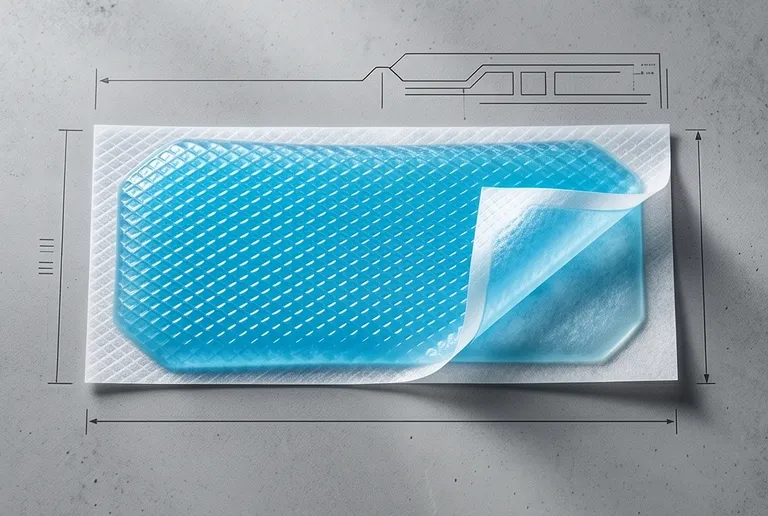
A cooling patch is a small marvel of material science designed for a deeply human purpose. Its effectiveness relies on a delicate balance of physics, chemistry, and manufacturing precision. Its perceived simplicity is the ultimate sign of its success.
For the healthcare distributors and pharmaceutical brands that bring these products to families, the trust that this simple device will work as promised is everything. That trust is built on a foundation of custom R&D, material science, and manufacturing excellence—the exact expertise we provide at Enokon.
If your brand needs transdermal patches built on a foundation of technical reliability, we can help. Contact Our Experts
Related Products
- Medical Cooling Gel Patches for Fever Cooling Patches
- Cooling Fever Patches Color Change Cold Fever Patch
- Hydra Gel Health Care Eye Patch
- Menthol Gel Pain Relief Patch
- Icy Hot Menthol Medicine Pain Relief Patch
Related Articles
- The Silent Guardian: Deconstructing the Engineering of Nighttime Cooling Patches
- The Quiet Genius of the Cooling Patch: Beyond the Fever
- The Elegant Physics of Comfort: How Hydrogel Patches Master Heat Transfer
- Beyond Size: The Hidden Physiology in Cooling Patch Design
- The Last Centimeter: Why How You Apply a Transdermal Patch Defines Its Success


















