The 3 AM Dilemma
It’s a scene familiar to any parent or caregiver. The house is dark and silent, but in one room, a child is warm with fever. You check their temperature, your mind racing through a checklist of worries.
The immediate challenge isn't just the fever itself, but how to provide comfort without disrupting the very thing they need most: sleep. A wet washcloth is a fleeting solution—it gets warm, drips, and requires constant refreshing. Administering oral medication risks waking a restless child, starting a cycle of discomfort and exhaustion for everyone.
This is not just a medical problem; it's a design problem. How do you deliver continuous, gentle, localized cooling to a sleeping person safely and effectively? The answer lies in a deceptively simple piece of technology: the cooling patch.
A Study in Passive Thermodynamics
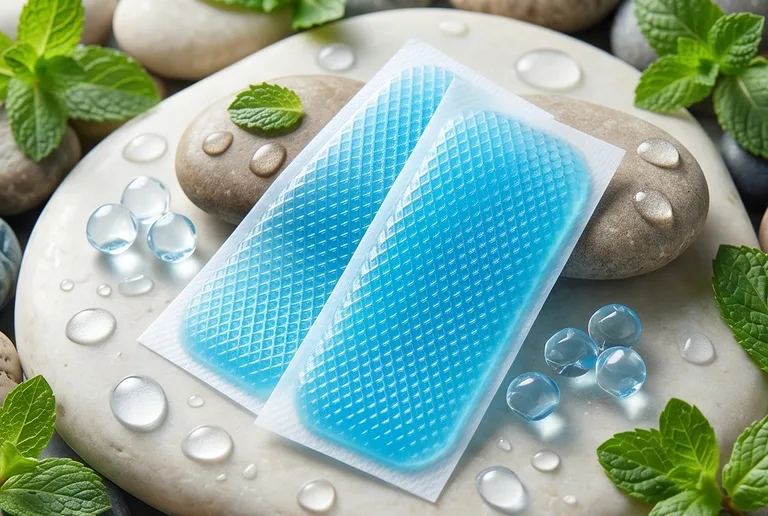
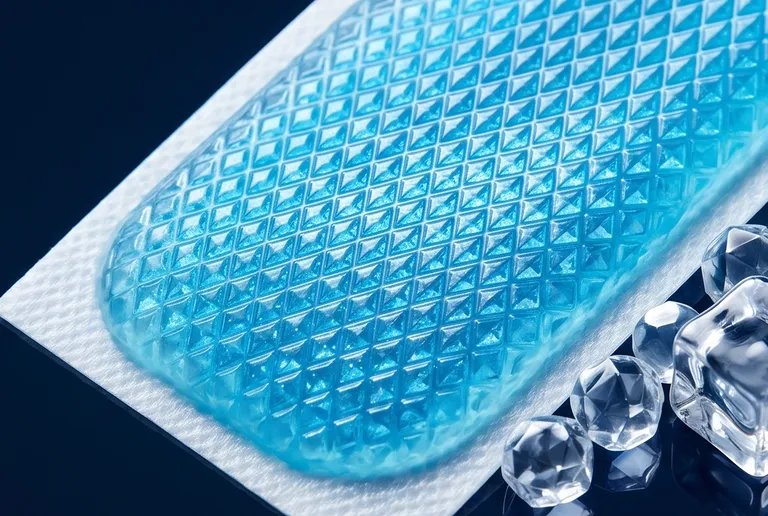
At its core, a cooling patch is a marvel of passive engineering. It isn’t powered by electricity or complex reactions. Its magic comes from a hydrogel—a network of polymer chains swollen with water.
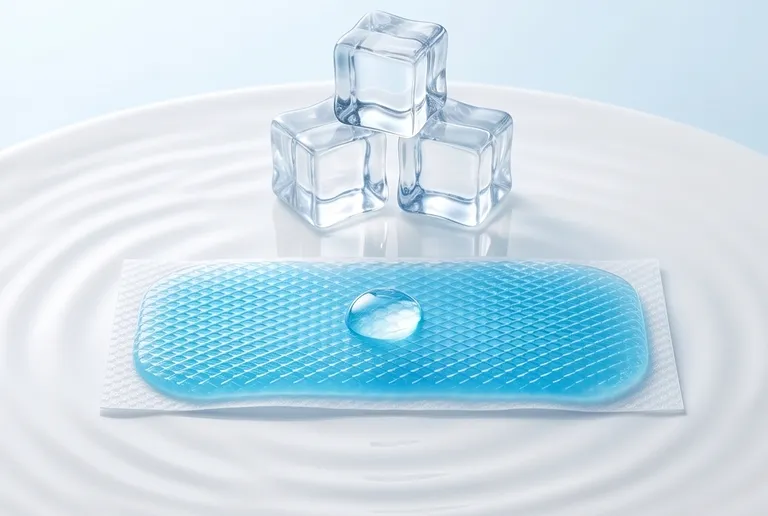
When applied to the skin, the patch becomes a small, self-contained thermal system. The warmth from the body's surface provides the energy needed to slowly evaporate the water within the gel. This process, known as evaporative cooling, gently draws heat away from the skin, providing a steady, cooling sensation that can last for hours.
It's an elegant solution. There are no moving parts, no noise, and no sudden temperature drops—just the silent, reliable work of physics.
Designing for the Unconscious User
The true genius of the cooling patch emerges when you consider its primary user is often asleep, tossing and turning. The design must account for this vulnerable, non-interactive state.
The Adhesion Paradox
The adhesive must be strong enough to cling to the forehead through movement and perspiration, yet gentle enough to be removed from sensitive skin without causing irritation or pain. This balance is a delicate feat of material science. A well-engineered patch stays put all night, becoming a silent guardian rather than another nighttime nuisance.
The Chemistry of Comfort
For a product that remains in contact with the skin for hours, safety is non-negotiable. The hydrogel is formulated to be non-toxic and hypoallergenic, minimizing the risk of adverse reactions. This removes a layer of anxiety for the caregiver. The focus remains on comfort, not on worrying about the treatment itself.
This commitment to biocompatibility is where expert manufacturing makes a difference. At Enokon, we specialize in developing and producing transdermal patches with skin-friendly formulations, ensuring our products meet the rigorous safety standards required by healthcare distributors and pharmaceutical brands.
The Virtue of Being Disposable
A cooling patch is designed for single use, and this is a critical feature, not a flaw. Each sealed patch guarantees sterility and maximum efficacy. Once the water content in the hydrogel depletes, its cooling capacity is gone.
A disposable design ensures that every time you use one, you get peak performance. It eliminates the guesswork and provides a reliable, hygienic tool right when you need it.
The Psychology of Reassurance
Beyond the physical relief, the cooling patch offers a powerful psychological benefit: a tangible sense of control.
In the face of illness, a caregiver can feel helpless. Applying a patch is a proactive, visible act of care. Unlike the invisible work of an internal medicine, the patch is a constant, physical reminder that something is being done. It provides reassurance to both the caregiver and, in many cases, the patient.
This tangible comfort helps reduce the mental load in a stressful situation, allowing a parent to rest a little easier, knowing a steady source of relief is in place.
Best Practices for a Silent Technology
To optimize this simple system, a few guidelines ensure maximum effectiveness. Think of it less as a set of rules and more as a user manual for a well-engineered tool.
| Aspect | Best Practice |
|---|---|
| Placement | Apply to flat, non-hairy areas like the forehead or the back of the neck for best adhesion. |
| Skin Health | Monitor the skin, especially on young children. If redness or irritation occurs, remove it. |
| Usage | Strictly single-use. Discard after the cooling effect has faded to ensure hygiene. |
| Medical Context | Use as an adjunct for comfort. It is not a substitute for medical diagnosis or fever-reducing medication when warranted. |
The Unseen Standard of Care
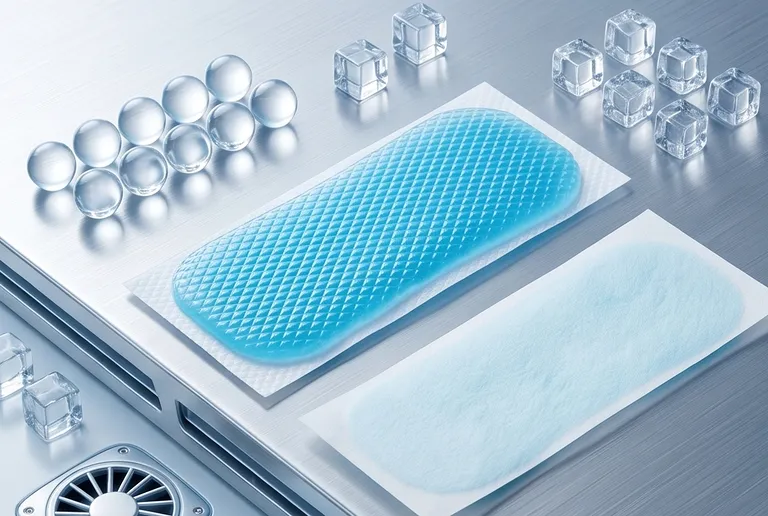
The cooling patch is a perfect example of an invisible technology that quietly improves our quality of life. It solves a specific, universal problem with elegance, safety, and a deep understanding of human needs.
This level of thoughtful design—balancing thermodynamics, material science, and human psychology—is the standard we uphold at Enokon. As bulk manufacturers for healthcare brands and distributors, we provide the technical expertise and R&D support necessary to create reliable, effective, and skin-safe transdermal patches. We engineer the silent guardians that provide comfort when it matters most.
To ensure your brand delivers this standard of care, Contact Our Experts.
Related Products
- Medical Cooling Gel Patches for Fever Cooling Patches
- Cooling Fever Patches Color Change Cold Fever Patch
- Hydra Gel Health Care Eye Patch
- Menthol Gel Pain Relief Patch
- Icy Hot Menthol Medicine Pain Relief Patch
Related Articles
- The Quiet Engineering of Comfort: Decoding the 8-Hour Lifespan of a Cooling Patch
- The Quiet Genius of the Cooling Patch: Beyond the Fever
- The Elegant Physics of Comfort: How Hydrogel Patches Master Heat Transfer
- Beyond Size: The Hidden Physiology in Cooling Patch Design
- The Last Centimeter: Why How You Apply a Transdermal Patch Defines Its Success


















