The Familiar Ritual of the Midnight Fever
Every parent and caregiver knows the scene. It’s 3 AM. The room is dark, save for a dim nightlight. The only sounds are the shallow breaths of a child with a fever and the quiet slosh of water.
The ritual is as old as time: a cool, damp towel folded and placed on a hot forehead. For a moment, it brings relief. But then, the brief comfort gives way to a cycle of inefficiency. The towel warms up. It drips. It needs to be re-soaked, re-wrung, and re-applied, often waking the very person you’re trying to soothe.
This isn't just a folk remedy; it's a flawed system. It’s a series of high-effort, low-yield tasks performed at a time of peak stress.
Deconstructing the Flaws of Tradition
Why does this time-honored method fall short? The answer lies in basic physics and human psychology.
The Problem of Unstable Thermal Exchange
A wet towel delivers its cooling effect through evaporation. But its design is crude. It releases its thermal load too quickly, creating an initial shock of cold that can be uncomfortable.
Worse, it quickly absorbs heat from the body, reaching equilibrium and losing its effectiveness in minutes. This creates an unstable thermal environment, demanding constant intervention from the caregiver to maintain any semblance of consistent cooling.
The Hidden Cognitive Load
The true cost of the wet towel isn't the mess or the laundry—it's the mental energy it consumes.
For a parent already worried about a sick child, the towel adds a list of micro-tasks: Monitor the temperature. Check for dampness. Tiptoe to the bathroom. Avoid dripping on the bedding. Repeat. This constant, low-level anxiety fragments sleep and adds to the caregiver's burden. It turns a moment of care into a cycle of maintenance.
The Engineering of Sustained Relief
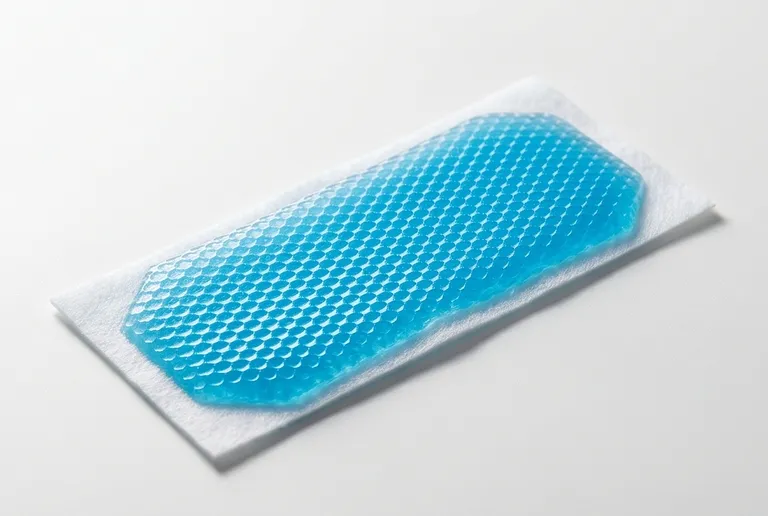
A modern cooling patch is not just a "better towel." It's a completely different system, engineered from the ground up to solve the core problems of traditional methods. It replaces a manual, high-maintenance task with a reliable, low-intervention solution.
Controlled Evaporation: The Hydrogel Advantage
The core of a cooling patch is a hydrophilic polymer matrix, or hydrogel. This structure is designed to hold a high percentage of water and release it through evaporation at a slow, controlled rate.
- No Thermal Shock: The cooling is gentle and gradual, avoiding the initial discomfort of an icy-cold cloth.
- Sustained Effect: The patch maintains a stable, cool temperature for hours, not minutes. This consistency provides uninterrupted comfort, which is critical for restorative rest.
- Mess-Free Delivery: The water is locked within the gel matrix, eliminating drips and mess.
This is the elegance of applied science: creating a simple, self-regulating system that provides hours of predictable relief.
Designing for the Human Factor
Beyond the core technology, a well-designed patch considers the user's reality.
- Adhesion and Flexibility: It stays securely in place on a restless child or an active adult, moving with the body without peeling off.
- Biocompatibility: For infants and those with sensitive skin, formulations must be hypoallergenic. The materials used in Enokon's transdermal patches, for example, are carefully selected to be gentle, ensuring safety is paramount.
- Age-Specific Formulations: A baby’s skin and thermoregulation system are not the same as an adult's. Effective solutions require different patch sizes and ingredient concentrations, a level of customization that a one-size-fits-all towel can never provide.
A Comparative Analysis: Task vs. System
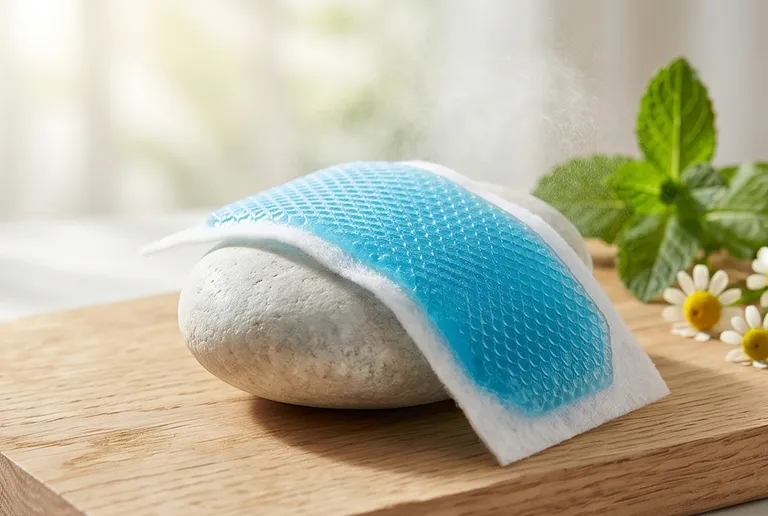
Viewing the two methods side-by-side reveals the difference between performing a repetitive task and deploying an efficient system.
| Feature | Wet Towel (Manual Task) | Cooling Patch (Engineered System) |
|---|---|---|
| User Effort | High: Constant monitoring, reapplication | Low: Apply once and leave for hours |
| Cooling Profile | Unstable: Initial shock, rapid warming | Stable: Consistent, gentle cooling |
| Duration | Minutes | Hours |
| Psychological Impact | Increases cognitive load, interrupts rest | Reduces cognitive load, promotes rest |
| Portability & Hygiene | Messy, bulky, risk of bacterial growth | Clean, compact, single-use and hygienic |
| Customization | None | Tailored for different age groups & skin types |
Choosing a Better System of Care
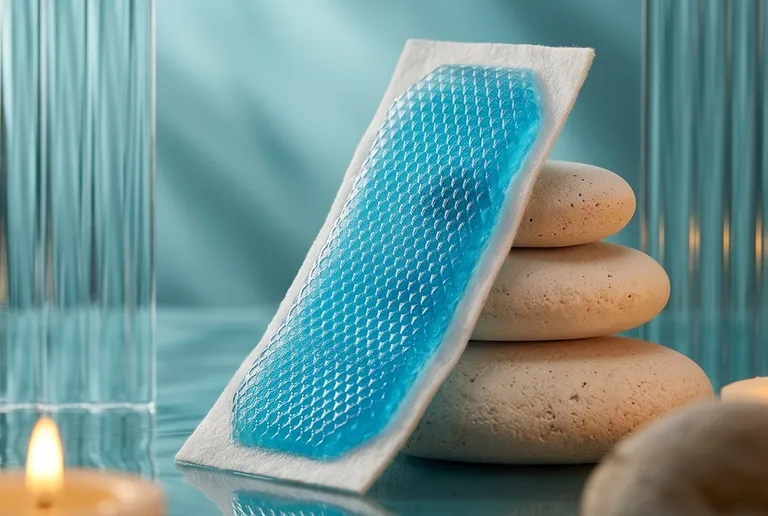
Upgrading from a wet towel to a cooling patch is more than a simple product swap. It is a conscious decision to adopt a better system—one that is more efficient, more reliable, and ultimately, more humane. It offloads the physical and mental burden from the caregiver, allowing them to focus on what truly matters: providing comfort and emotional support.
For healthcare distributors and pharmaceutical brands, understanding this shift is crucial. The demand is for products that are not just effective, but intelligently designed for real-world human needs. Partnering with a manufacturer that possesses deep expertise in hydrogel technology and transdermal delivery is key to meeting that demand. Enokon specializes in exactly that, offering both high-quality bulk manufacturing and custom R&D to develop solutions engineered for superior comfort and peace of mind.
To explore how advanced transdermal technology can enhance your product line, Contact Our Experts.
Related Products
- Cooling Fever Patches Color Change Cold Fever Patch
- Medical Cooling Gel Patches for Fever Cooling Patches
- Herbal Eye Protection Patch Eye Patch
- Hydra Gel Health Care Eye Patch
- Icy Hot Menthol Medicine Pain Relief Patch
Related Articles
- The Quiet Engineering of Comfort: Decoding the 8-Hour Lifespan of a Cooling Patch
- The Last Centimeter: Why How You Apply a Transdermal Patch Defines Its Success
- Beyond the Pill: The Engineering and Psychology of Modern Fever Relief
- Beyond Size: The Hidden Physiology in Cooling Patch Design
- The Silent Guardian: Deconstructing the Engineering of Nighttime Cooling Patches



















