The Silent Promise of a Workday's Worth of Relief
Imagine a person with chronic lower back pain. Their morning isn't just about coffee; it's a quiet negotiation with their body. The simple act of putting on a heat patch is an act of hope—a down payment on a day with less pain, more focus, and the freedom to move.
What they are really seeking isn't just warmth. It's predictability. They need relief that doesn't quit halfway through a critical meeting or wake them up at 3 AM. The standard 8-to-12-hour duration of a modern heat patch isn't an arbitrary number. It’s a carefully engineered promise that maps perfectly onto the rhythms of a human day: a full workday, or a full night's sleep.
This duration creates a powerful psychological comfort. The user can "set it and forget it," trusting the patch to work silently in the background.
The Controlled Fire: Alchemy of a Heat Patch
At its core, a self-heating patch is a marvel of controlled chemical energy. The gentle, consistent warmth feels simple, but the mechanism is a beautifully contained exothermic reaction—a slow, miniature fire designed for healing.
- The Engine: The primary fuel is typically finely powdered iron. When the patch is removed from its airtight packaging, oxygen from the air acts as the trigger. The iron begins to oxidize—or rust—releasing energy in the form of heat.
- The Regulators: Other ingredients like activated carbon, salt, and water act as catalysts and regulators. They control the rate of the reaction, ensuring the heat is steady and therapeutic, not a sudden, intense burst.
The difference between a patch that lasts four hours and one that lasts twelve lies in the precise formulation of this chemical engine. It's a delicate balance of particle size, purity, and proportion.
Engineering for Endurance: Beyond the Chemistry
A perfectly formulated chemical core is useless if its heat dissipates into the air. The true art of a high-performance transdermal patch lies in its physical design—the materials that ensure the therapeutic warmth reaches the user, and stays there.
The Science of Adhesion
Proper skin contact is non-negotiable. An effective patch must adhere securely through movement and perspiration without causing irritation. The adhesive itself becomes a component of the therapeutic system.
- Poor Adhesion: Creates air gaps, disrupting the efficient transfer of heat to the skin and allowing precious thermal energy to escape.
- Superior Adhesion: Ensures a consistent interface, maximizing heat transfer and allowing the user to trust the patch will stay put.
The Importance of Insulation
The non-adhesive side of the patch acts as an insulator. Its material is designed to be breathable enough to allow oxygen in for the reaction, but robust enough to direct the majority of the generated heat inward, toward the body, instead of losing it to the environment.
This is where the expertise of a manufacturer becomes paramount. For brands and distributors, partnering with a specialist like Enokon means gaining access to the deep R&D needed to optimize this interplay between chemical formulation, adhesive technology, and material science.
A Spectrum of Solutions for Different Pains
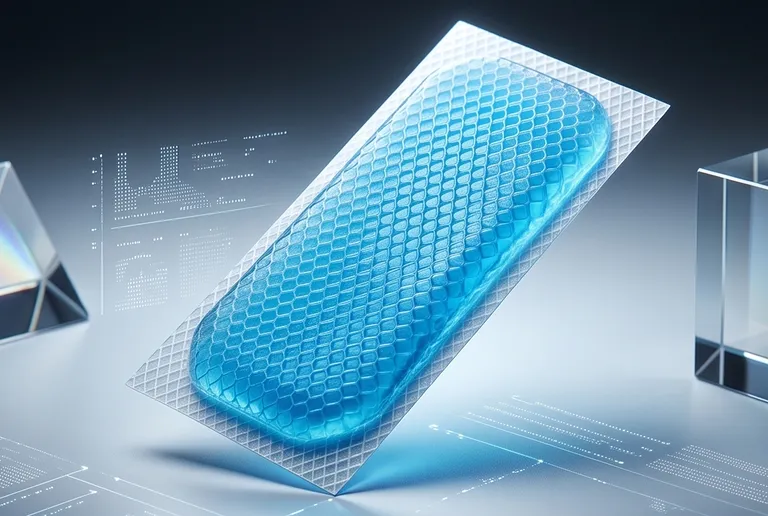
Not all pain relief scenarios are the same, which is why heat patches are engineered for different lifespans. The choice is a deliberate therapeutic design decision.
| Patch Type | Typical Duration | Ideal Use Case |
|---|---|---|
| Standard | 8–12 hours | Chronic pain, menstrual cramps, all-day/overnight relief |
| Short-Term | 4–6 hours | Pre-activity muscle warm-up, acute-but-brief pain |
| Medical-Grade | Up to 24 hours | Medically supervised, continuous, low-level heat therapy |
Tailoring a product to a specific duration requires sophisticated control over every variable—from the chemical composition to the thickness of the insulation layer.
The Partnership Between Product and Person
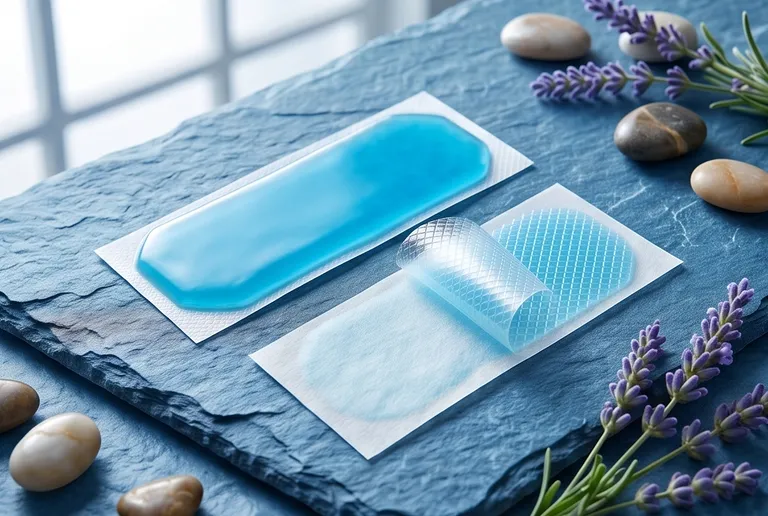
Ultimately, a heat patch is only half of the equation. Its effectiveness relies on a partnership with the user. The engineering provides a window of optimal performance—typically up to 12 hours—and safety guidelines exist to protect the skin from low-level burns or irritation that can occur with overuse.
Storing patches in their sealed pouches preserves the iron's reactivity. Applying them to clean, dry skin ensures proper adhesion. These simple user actions complete the thermodynamic circuit designed in the lab.
Building a truly great therapeutic patch is about more than just heat. It’s about engineering trust through consistency. It requires a mastery of chemistry, materials, and human factors to deliver on that silent promise of predictable, day-long relief.
If your brand is looking to deliver that promise, let's build it on a foundation of proven science and manufacturing excellence. Contact Our Experts
Related Products
- Icy Hot Menthol Medicine Pain Relief Patch
- Far Infrared Heat Pain Relief Patches Transdermal Patches
- Heating Pain Relief Patches for Menstrual Cramps
- Heat Relief Capsicum Patch for Lower Back Pain Relief
- Far Infrared Deep Heat Relief Patches Medicated Pain Relief Patches
Related Articles
- Beyond Efficacy: The Psychology of Adherence in Topical Pain Relief
- The 60-Minute Architecture: Engineering Predictability in Topical Pain Relief
- Beyond the Molecule: The Behavioral Science of the Simple Pain Patch
- The Human Interface of Pain Relief: Why Delivery Systems Define Success
- More Than a Sticker: The Hidden Engineering of a Safe Pain Patch











