The Last-Mile Problem in Pain Management
Imagine a patient with chronic knee osteoarthritis. In their medicine cabinet sits a pump bottle of topical NSAID—a small container holding the potential for significant relief. The chemistry is sound, the clinical trials are positive.
Yet, the difference between relief and disappointment often comes down to a deceptively simple set of instructions.
Was it two pumps or three? Was it twice a day or four times? Did they apply it before or after their shower?
This is the human interface of medicine. It’s the final, crucial step where a precisely engineered drug meets the complex, often unpredictable reality of human behavior. And it’s where even the best treatments can fail.
The Grammar of Dosage
Topical NSAID protocols are a masterclass in balancing competing variables: delivering a therapeutic dose to a target area while minimizing systemic absorption and potential side effects. The guidelines are not arbitrary; they are an engineered system.
The Core Protocols
- For Knee Osteoarthritis: The standard is 40 mg (2 pumps) applied to each painful knee, twice daily. This protocol is designed for optimal local effect with minimal risk.
- For Drop-Based Formulas: An alternative is 40 drops per knee, four times daily. The instruction to apply it in 10-drop increments isn't just for tidiness; it’s a design choice to mitigate spillage and ensure an even, consistent layer.
- For Broader Application: When pain affects the knees, ankles, and feet, the dosage scales to 4 grams per area, up to four times daily.
However, a critical constraint governs this entire system.
The Universal Safeguard
A non-negotiable ceiling of 32 grams total per day exists for a reason. Exceeding it turns a targeted local therapy into a systemic risk, exposing the patient to the same potential side effects as oral NSAIDs.
This delicate balance is summarized below:
| Application Scenario | Dosage Protocol | Frequency | The Underlying Design Principle |
|---|---|---|---|
| Focused Knee Pain | 40 mg (2 pumps) per knee | Twice daily | Balance local efficacy with minimal systemic risk. |
| Drop Formulations | 40 drops (in 10-drop sets) | Four times daily | Reduce user error (spillage, uneven application). |
| Lower Extremities | 4 grams per area | Four times daily | Scale therapy for larger surface areas safely. |
| Universal Rule | Max 32 grams total | Per 24 hours | Prevent systemic toxicity and adverse events. |
When The System Meets Reality
The logic of these protocols is perfect on paper. The problem is that patients are not robots executing a script. They are human.
The psychology of adherence is the most underrated factor in medicine. Applying a cream seems trivial, but performing the task with perfect consistency—the right amount, at the right time, every single day—imposes a significant cognitive load.
A patient might be tired, distracted, or in a hurry. "Two pumps" becomes "about two pumps." A missed morning dose might lead to an over-applied evening dose as compensation. These small deviations, compounded over weeks and months, create a huge gap between a drug's potential efficacy and its real-world outcome.
This isn’t a patient failure; it’s a system design challenge. Relying on human precision for dosing is an inherent vulnerability.
Engineering a Better Therapeutic Experience
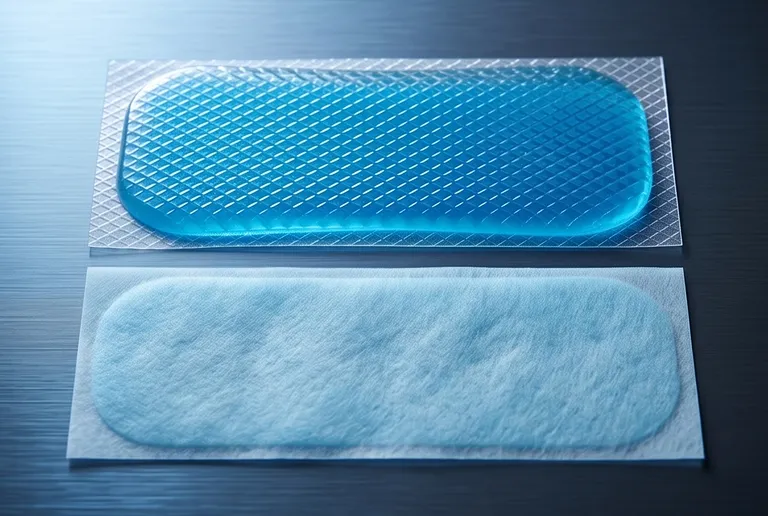
What if we could offload the cognitive burden from the patient? What if the delivery system itself could guarantee dosage accuracy and consistency?
This is the elegant engineering behind transdermal patches and pain plasters.
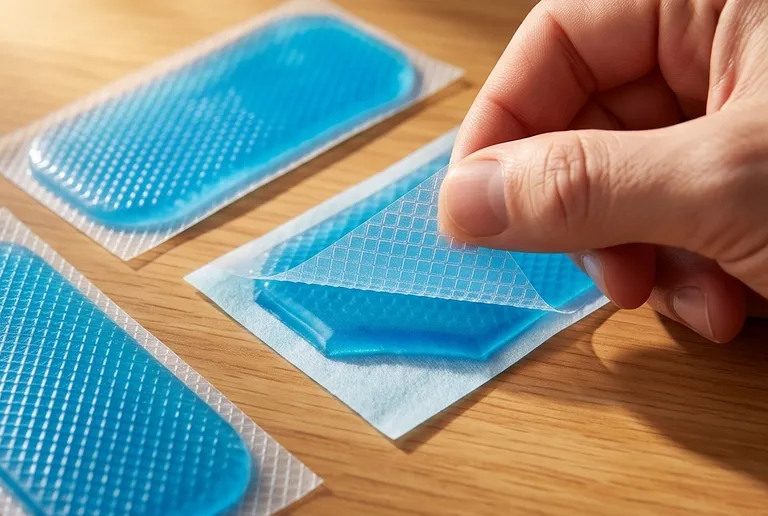
A patch is a self-contained, pre-dosed, controlled-release system. It solves the human interface problem by removing the variables:
- No Counting: The dose is precisely loaded into the patch during manufacturing.
- No Timing: The release mechanism is governed by material science, not the patient’s memory.
- No Spillage: The application is clean, simple, and consistent every time.
By transforming the delivery method from a multi-step process into a single action, the patch ensures the meticulously designed dosage protocol is actually followed. It closes the gap between the lab and the patient's home.
For healthcare distributors and pharmaceutical brands, focusing on the delivery system is as critical as perfecting the active ingredient. The most effective solutions are those designed for human reality. Partnering with a manufacturer who understands the nuances of creating reliable, user-centric delivery systems is paramount.
For a therapeutic experience engineered for adherence and success, the medium is the message. To explore how precision-manufactured transdermal solutions can elevate your product line, Contact Our Experts.
Related Products
- Far Infrared Heat Pain Relief Patches Transdermal Patches
- Icy Hot Menthol Medicine Pain Relief Patch
- Menthol Gel Pain Relief Patch
- Mugwort Wormwood Pain Relief Patch for Neck Pain
- Silicone Scar Sheets Patch Transdermal Drug Patch
Related Articles
- Engineering Certainty: The Invisible Architecture of a Gold-Standard Clinical Trial
- The Silent Workhorse: How Transdermal Patches Rewrote the Rules of Pain Management
- Beyond the Pill: The Silent Engineering of Safer Pain Relief
- Beyond Efficacy: The Psychology of Adherence in Topical Pain Relief
- Beyond the Molecule: The Behavioral Science of the Simple Pain Patch