The Illusion of Simplicity
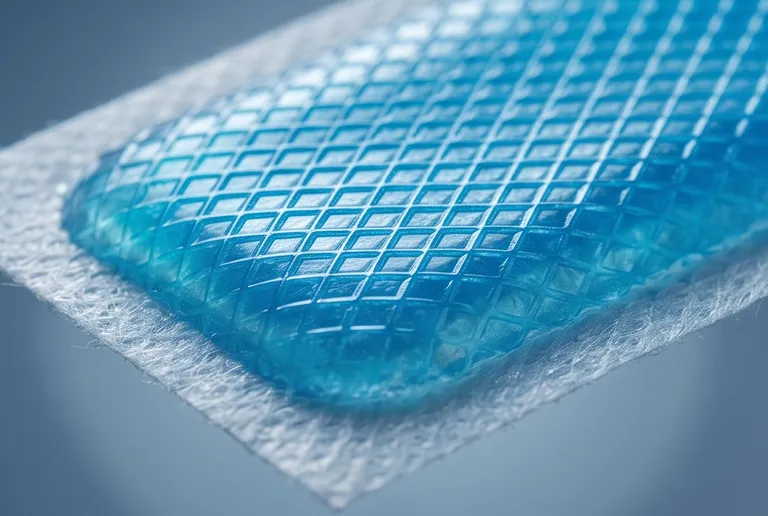
A transdermal patch seems deceptively simple. A small, self-adhesive square applied to the skin delivers medication steadily over days. In veterinary medicine, a fentanyl patch can transform an animal's post-operative recovery, managing severe pain with minimal intervention.
This simplicity is an illusion.
The patch is not a sticker; it is a sophisticated drug delivery system. Its success relies on a delicate equilibrium between the drug reservoir, the adhesive matrix, and the patient's own physiology. When we overlook the invisible engineering that governs this interaction, we invite catastrophic failure.
The Skin as a Dynamic Interface
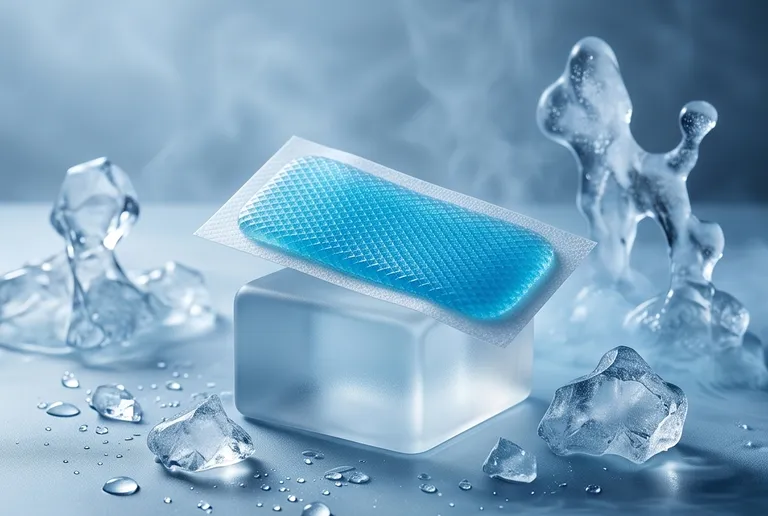
The skin is not a static barrier. It is a living, responsive organ. The effectiveness and safety of a transdermal patch depend entirely on controlling its interaction with this dynamic surface.
Temperature: The Unseen Accelerator
A fundamental principle of chemistry is that heat accelerates reactions. In transdermal delivery, this principle can be lethal.
A slight increase in skin temperature—from a fever, a heating pad, or even prolonged sun exposure—can dramatically increase the rate at which the drug is absorbed. The carefully calibrated, slow-release mechanism breaks down, and a therapeutic dose can quickly become a toxic overdose.
This is why veterinary protocols insist on monitoring the patient’s environment. It’s not just about comfort; it's a critical control measure for the drug delivery system itself.
Adhesion: The Critical Point of Contact
We often think of adhesion as a binary state: it's either stuck or it's not. But for a transdermal patch, adhesion is a continuous, functional process.
The adhesive layer does more than just hold the patch in place; it ensures uniform contact between the drug matrix and the skin. If an edge lifts or a corner peels, the surface area for drug delivery is compromised. The dose becomes unpredictable.
This is why professionals are taught to press a patch firmly for 30 seconds and to secure loose edges with medical tape. It is an acknowledgment that the bond between patch and skin is the single most critical variable in the entire therapeutic equation. A failure of adhesion is a failure of dosage.
A System, Not Just a Product
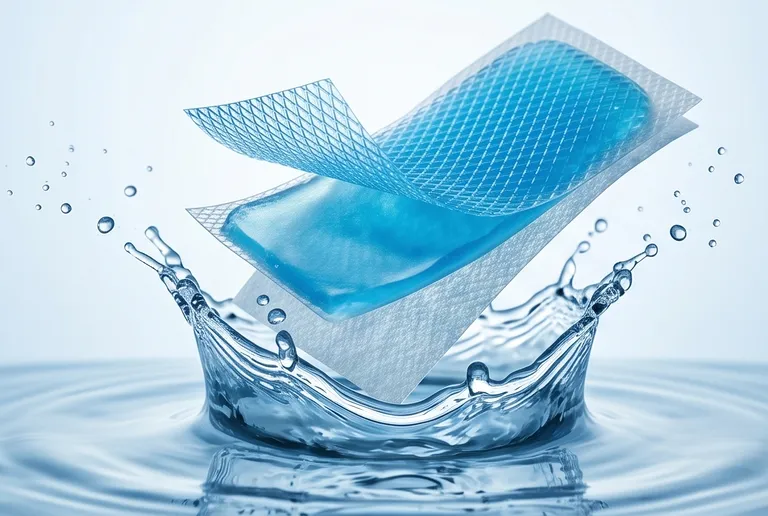
Viewing the patch as an isolated product is a critical error. Its safety depends on a robust system of handling that extends from application to final disposal.
The Lifecycle of Risk
A potent opioid patch presents a risk at every stage of its life:
- Before Application: Improper storage can compromise the patch's integrity.
- During Wear: Accidental ingestion by the patient or another animal is a life-threatening emergency.
- After Removal: A used patch can still contain enough residual fentanyl to be fatal to a child or small animal that might find it in the trash.
This is why the protocol for disposal—folding the patch onto itself and flushing it—is non-negotiable. It is the final, crucial step in a chain of custody designed to contain a powerful substance.
Critical Failure Points in Transdermal Therapy
| Risk Factor | Consequence | Mitigation Protocol |
|---|---|---|
| Heat Exposure | Accelerated drug release; potential overdose | Monitor patient temperature and environment; avoid external heat sources. |
| Improper Adhesion | Inconsistent or insufficient dosage | Apply to clean, dry, intact skin; press firmly; secure edges if needed. |
| Accidental Exposure | Life-threatening overdose for non-patients | Application by trained professionals only; keep patients from licking/chewing. |
| Improper Disposal | Environmental contamination; accidental poisoning | Fold used patch sticky-side-in and flush immediately. Never discard in trash. |
Engineering for Predictability
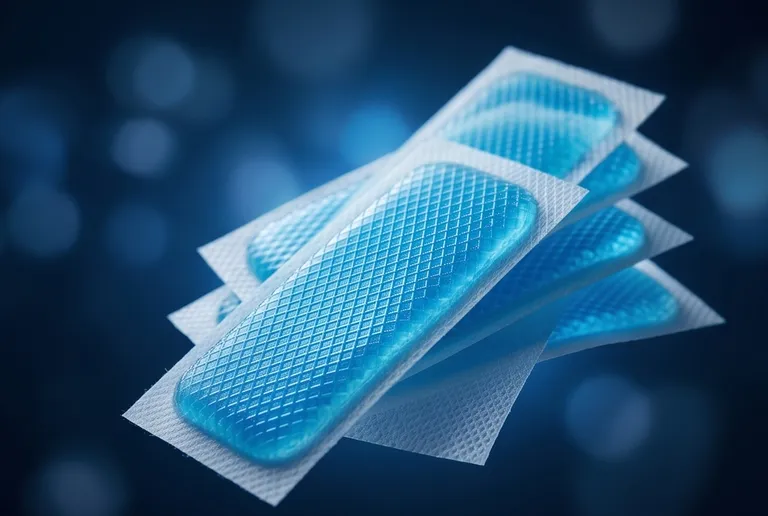
The strict protocols for applying a fentanyl patch are not arbitrary rules. They are the human component of a precise engineering system. But that system is only as strong as its weakest link.
If the adhesive is inconsistent, the drug matrix uneven, or the backing permeable, even the most diligent professional cannot guarantee a safe outcome.
This is where the manufacturing process becomes paramount. For distributors and healthcare brands that supply these critical tools, partnering with a manufacturer focused on technical expertise and reliability is not a business choice—it's a clinical and ethical one. The foundation of safe and effective pain management is a device engineered for predictability.
At Enokon, we build that foundation, providing the reliable, high-quality transdermal systems that professionals depend on. For healthcare brands committed to delivering this level of safety and efficacy, the quality of the device itself is the starting point. Contact Our Experts
Related Products
- Far Infrared Heat Pain Relief Patches Transdermal Patches
- Icy Hot Menthol Medicine Pain Relief Patch
- Silicone Scar Sheets Patch Transdermal Drug Patch
- Menthol Gel Pain Relief Patch
- Mugwort Wormwood Pain Relief Patch for Neck Pain
Related Articles
- Engineering Certainty: The Invisible Architecture of a Gold-Standard Clinical Trial
- The Silent Workhorse: How Transdermal Patches Rewrote the Rules of Pain Management
- Beyond the Pill: The Silent Engineering of Safer Pain Relief
- Beyond Efficacy: The Psychology of Adherence in Topical Pain Relief
- Beyond the Molecule: The Behavioral Science of the Simple Pain Patch



















