The Allure of a Simple Fix
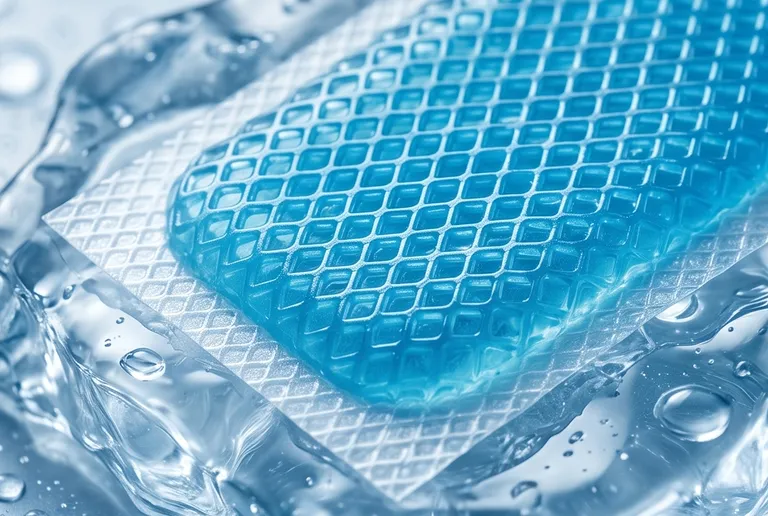
Imagine a veterinarian after a long surgery. The patient, a small dog, is in pain. The vet reaches for a fentanyl transdermal patch. It feels like an elegant solution: a simple, adhesive square that promises consistent, around-the-clock pain relief.
We are psychologically drawn to simplicity. In a high-stakes environment like medicine, a "set it and forget it" tool is incredibly appealing. It reduces cognitive load and promises a predictable outcome.
But the body is not a predictable machine. A transdermal patch is not just a sticker with medicine; it's a sophisticated drug delivery system designed to work with a biological canvas. When that canvas is flawed, the elegant solution can fail spectacularly.
A System, Not a Sticker
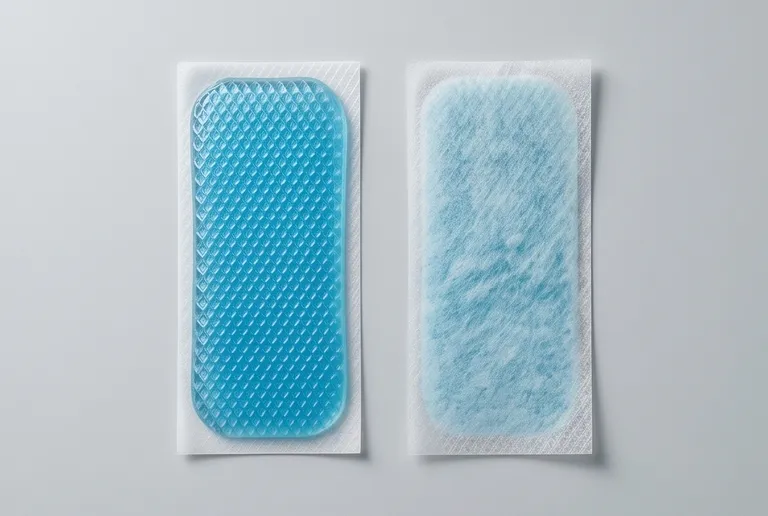
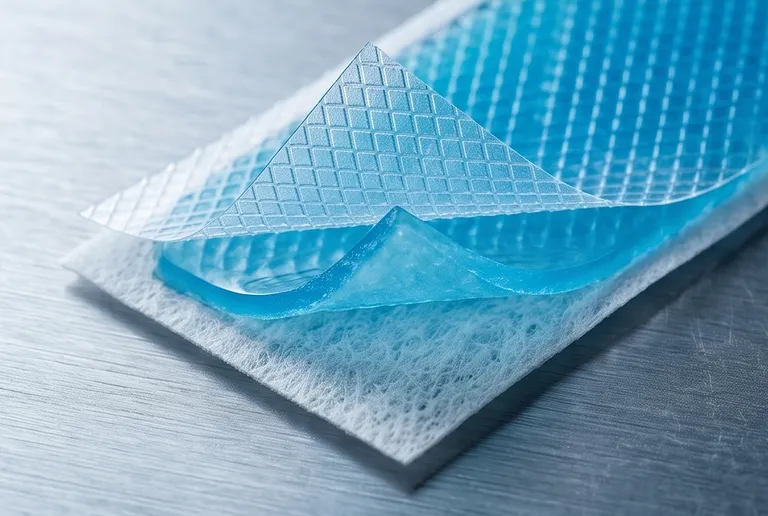
Think of a transdermal patch as a feat of engineering. It's designed to release a precise dose of a potent drug, through the skin's barrier, into the bloodstream, at a steady rate over time.
This system relies on a set of assumptions—the "silent variables"—about the patient's body:
- That the metabolic "processing plants" are fully operational.
- That the internal "transport systems" are flowing freely.
- That there is a sufficient margin of error for the dose.
When these assumptions are wrong, the system breaks down. The problem isn't the patch; it's the mismatch between the tool and the biological reality.
When the Biological Blueprint Fails
The biggest risks in transdermal therapy come from underestimating the patient's individual biology. Certain conditions create critical points of failure.
The Processing Plant: Liver and Kidney Integrity
The liver and kidneys are the body’s filtration and waste management facilities. They metabolize drugs like fentanyl and clear them from the system.
If a pet has severe liver or kidney disease, these plants are running at partial capacity. The drug isn't cleared effectively. It accumulates, turning a therapeutic dose into a toxic overdose. It’s a systemic overload triggered by a faulty assumption of health.
The Transport System: Gastrointestinal Flow
Opioids are known to slow down gut motility. In a healthy patient, this is a manageable side effect.
But in a pet with a suspected gastrointestinal obstruction, it's like shutting down all the traffic lights during a city-wide gridlock. The slowed motility can worsen the blockage, leading to catastrophic complications like a rupture. The pain patch, intended to help, ends up compounding the primary problem.
The Margin of Error: Systemic Resilience
The engineering of a standard patch assumes a standard patient. But many patients are outliers.
- Very Small or Underweight Pets: Their low body mass offers almost no margin for dosing error. A standard dose can easily become an overdose.
- Elderly or Debilitated Pets: Their systems lack resilience. They are more sensitive to side effects like respiratory depression, where the drug's intended action becomes a life-threatening risk.
- Pets with Respiratory Conditions: For an animal with asthma, even minor opioid-induced respiratory suppression can be critical. The patch pushes an already compromised system over the edge.
Engineering for the Individual
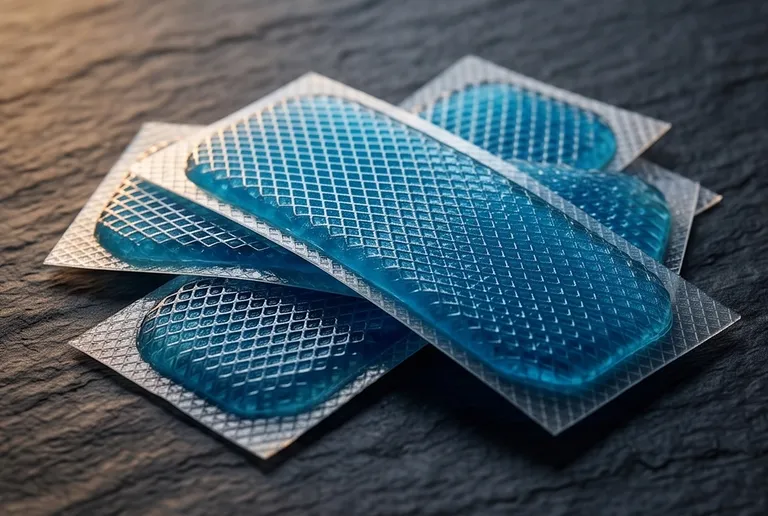
The challenge isn't that transdermal patches are flawed. It's that a one-size-fits-all approach is inherently risky when dealing with diverse biological systems.
The future of safe and effective pain management lies in customization—in creating delivery systems that account for these silent variables from the start. This requires a deep, integrated expertise in pharmaceutical science, material engineering, and manufacturing.
This is the core mission at Enokon. As a bulk manufacturer of transdermal patches and pain plasters, we partner with pharmaceutical distributors and healthcare brands to move beyond the standard. Our R&D capabilities allow for the development of custom formulations, alternative active ingredients, and tailored dosages that prioritize safety for specific patient populations. We provide the technical foundation to build more resilient, targeted solutions.
True progress in medicine comes not from finding a single magic bullet, but from deeply understanding the systems we're trying to help. For safer, more effective pain management solutions, we must engineer for the individual.
If your goal is to provide safer, more reliable therapeutic options for the most sensitive patients, let's build them together. Contact Our Experts
Related Products
- Far Infrared Heat Pain Relief Patches Transdermal Patches
- Silicone Scar Sheets Patch Transdermal Drug Patch
- Icy Hot Menthol Medicine Pain Relief Patch
- Menthol Gel Pain Relief Patch
- Mugwort Wormwood Pain Relief Patch for Neck Pain
Related Articles
- Engineering Certainty: The Invisible Architecture of a Gold-Standard Clinical Trial
- The Silent Workhorse: How Transdermal Patches Rewrote the Rules of Pain Management
- Beyond the Pill: The Silent Engineering of Safer Pain Relief
- Beyond Efficacy: The Psychology of Adherence in Topical Pain Relief
- Beyond the Molecule: The Behavioral Science of the Simple Pain Patch



















