
The Paradox of Potent Pain Relief
Chronic pain from osteoarthritis doesn't just hurt a joint; it shrinks a person's world. It’s the cancelled walk with a friend, the staircase that becomes a mountain, the quiet surrender to a more sedentary life.
For clinicians, this presents a paradox. The tools with the most immediate potency—oral Nonsteroidal Anti-inflammatory Drugs (NSAIDs)—come with a well-documented list of systemic risks. They offer relief but ask for a trade-off: a potential threat to the gastrointestinal lining, the kidneys, and the cardiovascular system.
This isn't a failure of the medicine, but a challenge of its delivery. It’s a brute-force approach to a localized problem.
A Local Solution to a Systemic Problem
This is why the American College of Rheumatology now strongly recommends topical NSAIDs as a first-line treatment for knee osteoarthritis. The logic is one of engineering elegance: deliver the therapeutic agent directly to the site of pain.
By targeting the source, systemic absorption is minimized. The drug works where it's needed, not where it isn't. This simple shift in strategy fundamentally alters the risk-benefit equation, making it an ideal starting point, especially for older adults or patients with existing health concerns.
Re-framing "Modest" Efficacy
A 2016 Cochrane review noted that topical diclofenac offered about 10% more pain relief than a placebo. From a purely statistical view, this might seem modest.
But from a psychological and clinical perspective, it's profound.
The goal of a first-line treatment isn't necessarily a complete cure; it's to provide meaningful relief with the lowest possible risk. A safe, 10% improvement is infinitely better than a slightly greater improvement that comes with a significant risk of harm. It provides hope and function without demanding a dangerous compromise.
| Feature | Oral NSAIDs (Systemic) | Topical NSAIDs (Localized) |
|---|---|---|
| Delivery | Brute Force (Whole Body) | Precision Strike (Affected Joint) |
| GI Risk | Significant (Ulcers, Bleeding) | Minimal |
| Cardiovascular Risk | Elevated | Negligible |
| Kidney Strain | Potential Concern | Negligible |
| Ideal Use Case | Widespread or severe inflammation | Localized pain (Knees, Hands, Ankles) |
The Human Factor: Where Gels and Drops Fall Short
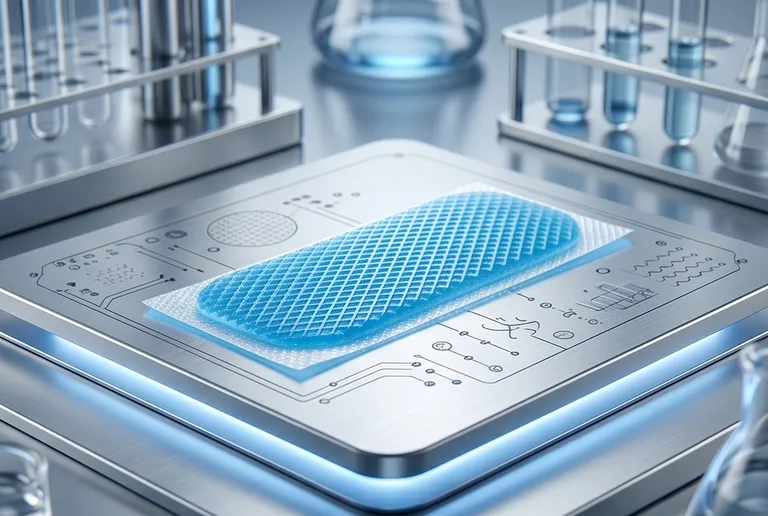
The guidelines for topical gels, creams, and drops are precise. Apply 4 grams four times a day. Dispense 40 drops in 10-drop portions.
In a lab, this is manageable. In the daily life of a person with aching hands and knees, it's a system prone to failure.
Measuring grams of cream is inconsistent. Counting drops is tedious. Remembering to reapply four times a day is a mental burden. The result is poor adherence, which leads to suboptimal relief and the incorrect conclusion that the therapy "didn't work." The problem isn't the drug; it's the interface between the human and the medicine.
Engineering Adherence: The Rise of the Transdermal Patch
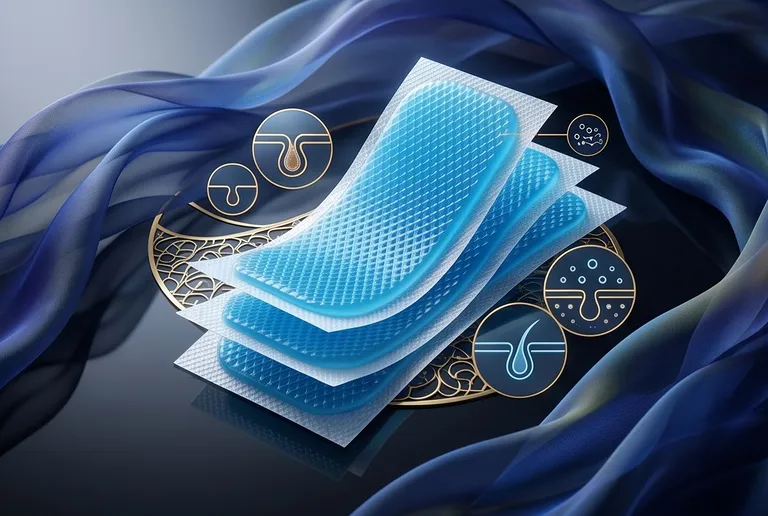
This is where the delivery system becomes as important as the active ingredient. The transdermal patch is an engineering solution to this human problem.
- Precise Dosing: The patch is manufactured to hold and release a specific, controlled dose. No guesswork.
- Sustained Release: It delivers the medication consistently over many hours, avoiding the peaks and troughs of manual reapplication.
- Unrivaled Adherence: The "apply and forget" nature of a patch seamlessly integrates into a person's life, dramatically increasing the likelihood they receive the intended therapeutic benefit.
- Clean and Contained: There is no mess, no spillage, and no risk of transferring the medication to others.
The Manufacturing Backbone of Reliable Relief
The elegance of a transdermal patch belies its technical complexity. The adhesive must be skin-friendly yet durable. The formulation must ensure the active ingredient remains stable and permeates the skin at a predictable rate.
This is why the choice of a manufacturing partner is critical for healthcare distributors and pharmaceutical brands. Enokon specializes in the bulk manufacturing of high-reliability transdermal patches and pain plasters. Our expertise is not just in production, but in the custom R&D that ensures each product is optimized for stability, bioavailability, and patient comfort. We build the reliable delivery systems that make modern, targeted therapies possible.
The Future is Targeted
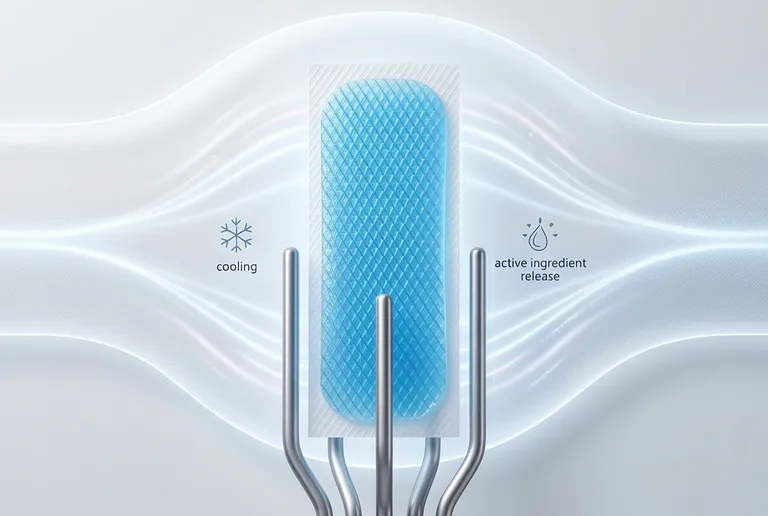
The evolution of pain management is a story of increasing precision. We are moving away from systemic "carpet bombing" and toward targeted "precision strikes." The transdermal patch represents the pinnacle of this philosophy for localized pain.
For healthcare distributors and brands committed to providing safer, more effective pain management solutions, aligning with a technical expert is paramount. Contact Our Experts
Related Products
- Silicone Scar Sheets Patch Transdermal Drug Patch
- Icy Hot Menthol Medicine Pain Relief Patch
- Far Infrared Heat Pain Relief Patches Transdermal Patches
- Menthol Gel Pain Relief Patch
- Mugwort Wormwood Pain Relief Patch for Neck Pain
Related Articles
- Beyond the Pouch: The Critical Engineering of Transdermal Patch Integrity
- Beyond the Adhesive: The Unseen Engineering of Safe Transdermal Drug Delivery
- The Paradox of the Patch: Deconstructing the Science of Skin-Contact Safety
- The Adhesion Paradox: Engineering Transdermal Patches for Real-World Human Behavior
- Beyond the Counter: The Hidden Engineering of Trust in Pain Management










