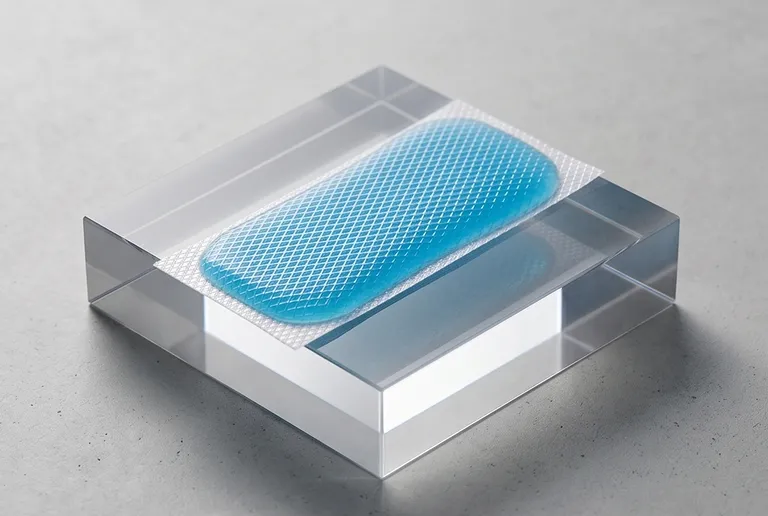
The Illusion of the Simple Sticker
A transdermal patch sitting on a nightstand looks harmless. A small, self-adhesive square. To a child, it’s a sticker. To a pet, an object of curiosity.
This benign appearance is a triumph of medical engineering, but it's also a psychological trap. Our minds struggle to associate this simple object with the potent, controlled-release system it truly is. We become complacent. Yet, maintaining the integrity of that system requires a discipline as precise as its design.
The storage guidelines for a fentanyl patch aren't just arbitrary rules; they are the user's side of a critical engineering pact.
The Unseen Battle Against Chaos
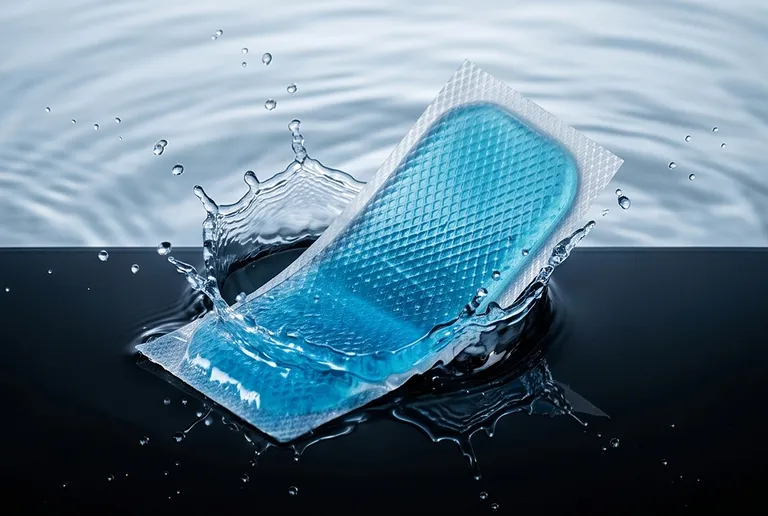
A transdermal patch is a meticulously calibrated environment. The drug is suspended in a matrix designed to release its payload at a steady, predictable rate through the skin. The storage protocols are designed to protect this delicate equilibrium from the chaos of the outside world.
Heat: The Unpredictable Accelerator
Storing a patch above room temperature (25°C or 77°F) is not merely a suggestion; it's a command to prevent a controlled system from becoming an uncontrolled one.
Heat can alter the viscosity of the adhesive matrix and increase skin permeability. This thermodynamic shift can accelerate the drug's release rate, turning a therapeutic dose into a potentially dangerous overdose. Proper temperature control is the first line of defense in maintaining the patch's designed function.
The Guardian Pouch: A Personal Micro-Environment
The foil pouch a patch comes in is its first and most important home. It is engineered to be a fortress against:
- Light: UV rays can degrade sensitive chemical compounds, reducing the patch's efficacy.
- Moisture: Humidity can compromise the adhesive and the stability of the drug formulation itself.
Keeping the patch sealed until the moment of use ensures that its chemical integrity, painstakingly engineered in the lab, is not compromised in the real world.
The Human Factor: Engineering a Safe Environment
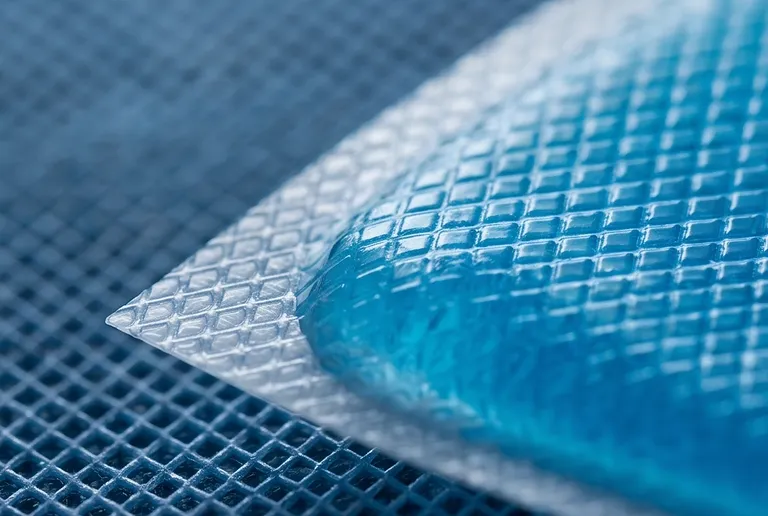
The greatest variable in any system is the human element. The most robustly designed patch is vulnerable to curiosity, error, and misuse. Therefore, creating a safe environment is a non-negotiable part of the protocol.
Security Beyond the Lock
Fentanyl's high potential for abuse means unused patches require physical security, like a locked cabinet. This isn't just about preventing diversion; it's a cognitive forcing function. The physical act of unlocking a box forces us to pause and acknowledge the potency of the object in our hands, fighting the very complacency its simple design encourages.
The Final Act: A Patch's End-of-Life
A used patch is not an empty patch. A significant amount of active medication remains in the adhesive matrix even after its intended use period.
Folding it sticky-side-in is the first step in decommissioning it. Disposing of it through a take-back program is the final, critical step. Flushing it or throwing it in the trash introduces a potent opioid into ecosystems—both environmental and domestic—where it can cause immense harm.
A Protocol for Integrity
To bridge the gap between human behavior and chemical engineering, a simple checklist ensures all variables are controlled.
| Factor | Protocol | Rationale |
|---|---|---|
| Temperature | Store below 25°C / 77°F; avoid direct heat. | Prevents accelerated drug release and degradation. |
| Packaging | Keep in sealed, original pouch until use. | Protects from light, air, and moisture. |
| Access Control | Store in a locked cabinet or safe. | Prevents misuse, diversion, and accidental access. |
| End-of-Life | Fold used patch, sticky sides together; use take-back. | Neutralizes risk from residual medication. |
| Situational Awareness | Keep out of sight and reach of children and pets. | Mitigates risk from the most vulnerable. |
Reliability Begins at the Source
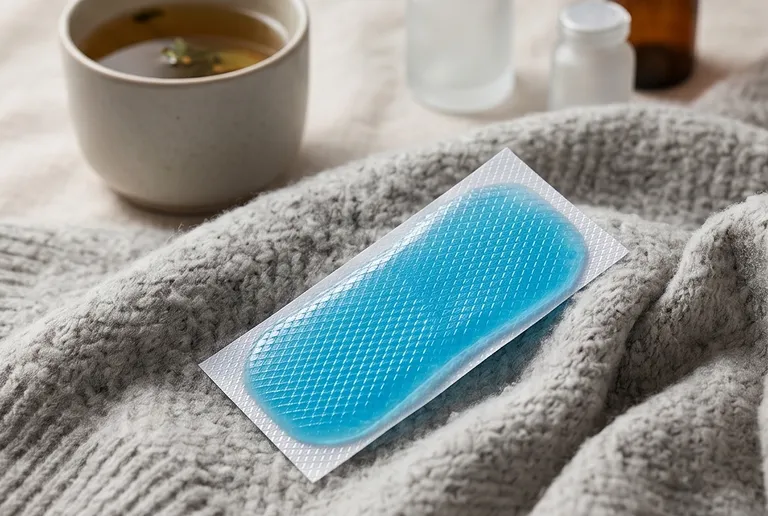
The responsibility for a patch's safety is a chain that starts long before it reaches a patient's home. It begins with the manufacturer.
The stability of the drug matrix, the quality of the adhesive, the rate-controlling membrane, and the integrity of the packaging—all of these are determined at the point of creation. A manufacturer's commitment to quality control and technical excellence is the foundation upon which all subsequent safety protocols are built. It is their expertise that ensures the patch delivered to healthcare distributors and pharmaceutical brands is engineered for maximum reliability.
At Enokon, we specialize in the bulk manufacturing of transdermal patches built on a foundation of technical precision. Our expertise in custom R&D and development ensures that every patch meets the strictest standards for safety and efficacy, providing a product you can trust from the source. For a partnership that prioritizes the deep engineering of safety, Contact Our Experts.
Related Products
- Far Infrared Heat Pain Relief Patches Transdermal Patches
- Icy Hot Menthol Medicine Pain Relief Patch
- Silicone Scar Sheets Patch Transdermal Drug Patch
- Menthol Gel Pain Relief Patch
- Mugwort Wormwood Pain Relief Patch for Neck Pain
Related Articles
- Engineering Certainty: The Invisible Architecture of a Gold-Standard Clinical Trial
- The Silent Workhorse: How Transdermal Patches Rewrote the Rules of Pain Management
- Beyond the Pill: The Silent Engineering of Safer Pain Relief
- Beyond Efficacy: The Psychology of Adherence in Topical Pain Relief
- Beyond the Molecule: The Behavioral Science of the Simple Pain Patch



















