The Illusion of the Off Switch
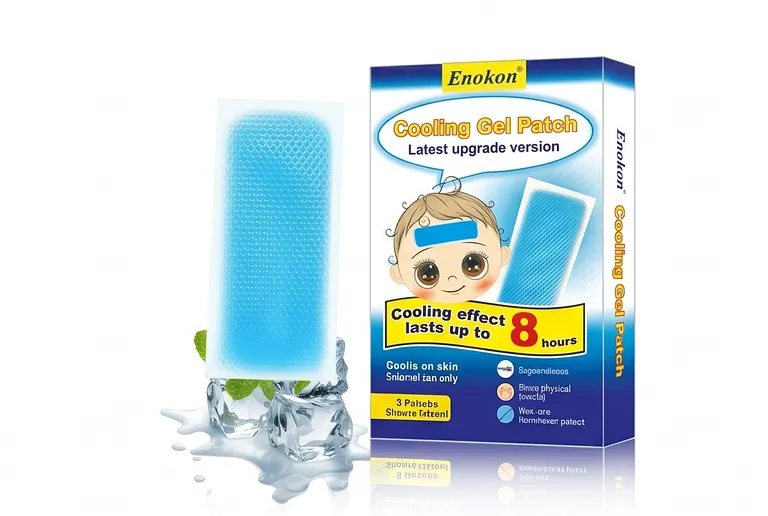
Picture a simple clinical act: a veterinarian carefully peels a fentanyl patch from a patient's skin after a successful surgery. The procedure is over. The source of the potent analgesic is removed. It feels like a definitive end, a flip of a switch from "on" to "off."
This is a powerful illusion. Our minds love clear cause-and-effect narratives. Patch on, drug delivered. Patch off, drug stops. But the quiet, complex reality of biology and material science tells a very different story. The removal of the patch is not the end of the treatment; it is the beginning of a new, less predictable phase.
The Skin as a Reservoir: An Engineered Legacy
A transdermal patch is more than a sophisticated sticker. It's a marvel of controlled-release engineering, designed to turn the patient's own skin into a part of the delivery system.
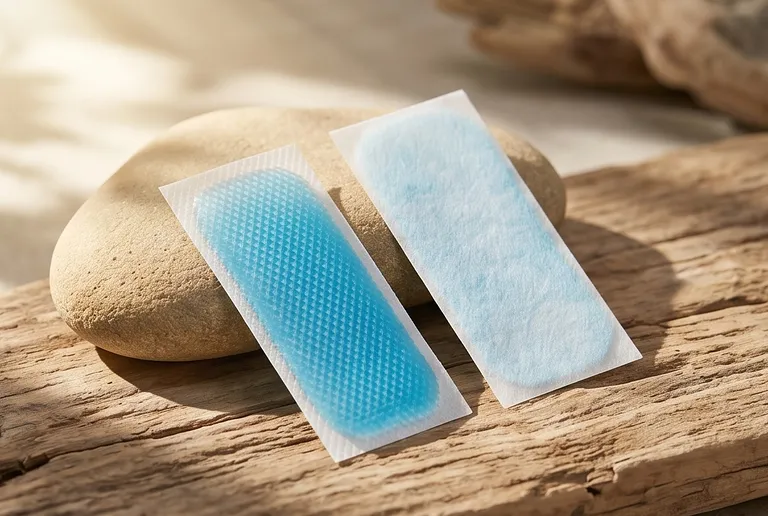
When applied, the patch doesn't just deliver the drug into the bloodstream. It first saturates the outer layers of the skin, creating a subcutaneous "depot" or reservoir of the medication. This reservoir is the key to providing a steady, sustained dose over hours or days.
This elegant design has a crucial consequence: long after the patch is gone, the reservoir remains. The skin continues to release the stored medication into the body. For a healthy patient, this lingering effect typically persists for 24 to 48 hours, as the depot slowly depletes and the body metabolizes the drug.
When Systems Diverge: The Patient Variable
The 24-48 hour window is a baseline, not a guarantee. The true duration of effect depends on how efficiently the patient's internal "system" can process and eliminate the drug. This is where clinical complexity emerges, and where careful observation becomes paramount.
The Metabolic Bottleneck
The liver is the body's primary metabolic processing plant. For drugs like fentanyl, it relies on specific enzymes (like cytochrome P450) to break them down. If a patient has compromised liver function, this process slows dramatically.
The result? The drug lingers in the system far longer. The clearance timeframe can easily extend to 72 hours or more, as the body struggles to clear the residual medication released from the skin's reservoir.
The Elimination Pathway
After metabolism, the kidneys are responsible for filtering and excreting the byproducts. Impaired kidney function creates another bottleneck. The drug metabolites can't be eliminated efficiently, extending their presence and potential effects.
Like hepatic impairment, this can push the clearance timeline well beyond the standard 48-hour mark, demanding a more cautious and extended monitoring plan.
Navigating the Unseen: A Framework for Monitoring
Understanding this "pharmacokinetic tail" changes the entire approach to post-patch care. It's not about waiting for a problem to appear; it's about anticipating a predictable biological process.
The clinical takeaway is a shift in mindset. Monitoring isn't just a precaution; it's a necessary component of the delivery system's design.
| Patient Profile | Expected Clearance Time | Critical Monitoring Window |
|---|---|---|
| Healthy | 24-48 hours | At least 48 hours |
| Hepatic Impairment | 48-72+ hours | At least 72 hours |
| Renal Dysfunction | 48-72+ hours | At least 72 hours |
| Species Variations (e.g., cats) | Potentially prolonged | Case-by-case assessment |
Clinicians must watch for signs like sedation or respiratory depression long after the patch is gone, because, from the body's perspective, the treatment is still active.
The Foundation of Predictability: The Patch Itself
Managing the variables of patient biology—liver function, kidney health, age, and species—is the core challenge of medicine. In this complex equation, the one thing that must be a constant is the reliability of the drug delivery system itself.
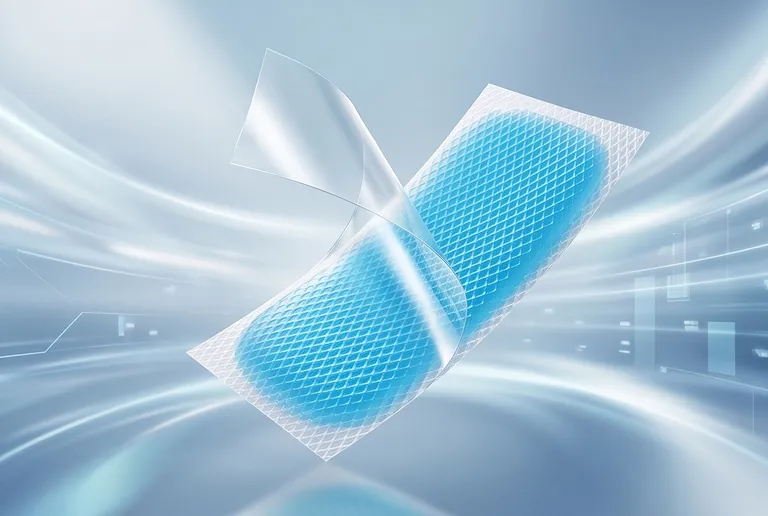
If a transdermal patch delivers an inconsistent dose, has poor adhesion, or an unpredictable reservoir effect, the entire framework for safe clinical monitoring collapses. All the biological variables become impossible to manage because the starting point is unreliable.
This is why the integrity of manufacturing is paramount. For healthcare distributors and pharmaceutical brands, providing a predictable, high-quality patch is the foundation upon which safe and effective pain management is built. It’s about mastering the science of the delivery system so clinicians can focus on the art of caring for the patient.
For healthcare distributors and brands seeking to provide that foundational reliability, the first step is partnering with a manufacturer who masters the science of delivery. Contact Our Experts
Related Products
- Far Infrared Heat Pain Relief Patches Transdermal Patches
- Silicone Scar Sheets Patch Transdermal Drug Patch
- Icy Hot Menthol Medicine Pain Relief Patch
- Menthol Gel Pain Relief Patch
- Mugwort Wormwood Pain Relief Patch for Neck Pain
Related Articles
- Engineering Certainty: The Invisible Architecture of a Gold-Standard Clinical Trial
- The Silent Workhorse: How Transdermal Patches Rewrote the Rules of Pain Management
- Beyond the Pill: The Silent Engineering of Safer Pain Relief
- Beyond Efficacy: The Psychology of Adherence in Topical Pain Relief
- Beyond the Molecule: The Behavioral Science of the Simple Pain Patch



















