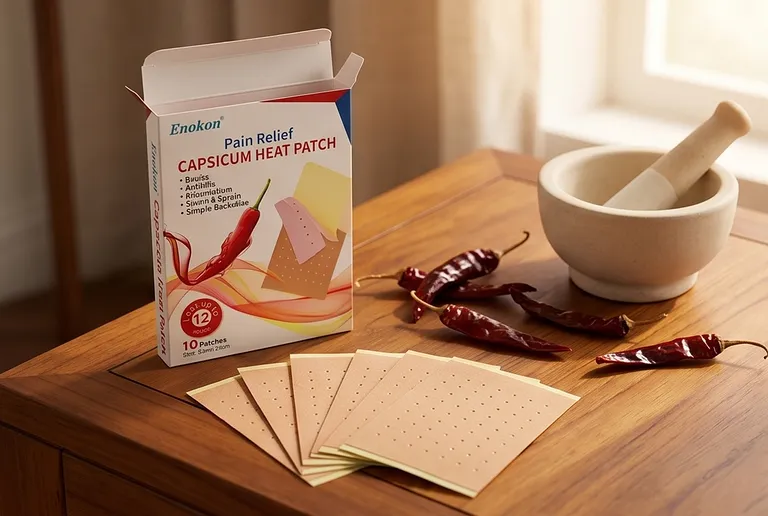
The Patient's First Question
A patient applies a pain relief patch for their arthritis. Minutes later, a warming, then burning, sensation begins. Their first thought is logical: Is this working, or is it making things worse?
This is the central paradox of capsaicin, the active compound in chili peppers. We've taken the molecule that creates the fire in spicy food and engineered it into a sophisticated tool for managing chronic pain.
Understanding how it turns a sensation of pain into one of relief isn't just a biological curiosity; it’s a lesson in how the nervous system adapts and how we can engineer solutions that work with our body's complex wiring.
Overwhelming the Alarm System

Your body has a dedicated alarm system for pain. When tissue is damaged, nerve cells release a neurotransmitter called Substance P. Think of it as the messenger that runs to the brain shouting, "There's a problem here!"
Capsaicin hijacks this system.
The Initial Barrage
When first applied topically, capsaicin binds to pain receptors and triggers a massive, sustained release of Substance P. This is the source of the initial burning and redness. The alarm is being pulled, repeatedly.
The Quiet After the Storm
But the nerve cell has finite reserves. After the initial flood, the supply of Substance P is depleted. More importantly, capsaicin also blocks the cell's ability to re-synthesize it.
The result is a desensitized nerve ending. The alarm system is temporarily offline. The pain threshold in that specific area is raised, providing hours of relief from deeper, chronic pain signals like those from arthritis or neuropathy. It fights fire with fire, leaving a quiet, analgesic peace in its wake.
The Engineering of a Patch

This elegant neurological trick is useless without a reliable delivery mechanism. The challenge isn't merely getting capsaicin into the skin; it's about controlling the process with precision. This is where pharmaceutical engineering transforms a raw compound into a therapeutic product.
A transdermal patch is a highly engineered system designed to solve several problems at once:
- Controlled Dosage: It must release a consistent, predictable amount of capsaicin over a set period to deplete Substance P without causing overwhelming irritation.
- Adhesion and Comfort: The patch must stay on, move with the body, and be removed without damaging the skin.
- Chemical Stability: The formulation must protect the capsaicin molecule, ensuring it reaches the target nerve endings in its active form.
Achieving this balance between efficacy and tolerability is a significant technical hurdle. It requires deep expertise in polymer science, adhesive technology, and formulation chemistry—the kind of expertise bulk manufacturers like Enokon provide to pharmaceutical brands and distributors.
A Framework for Safe Application
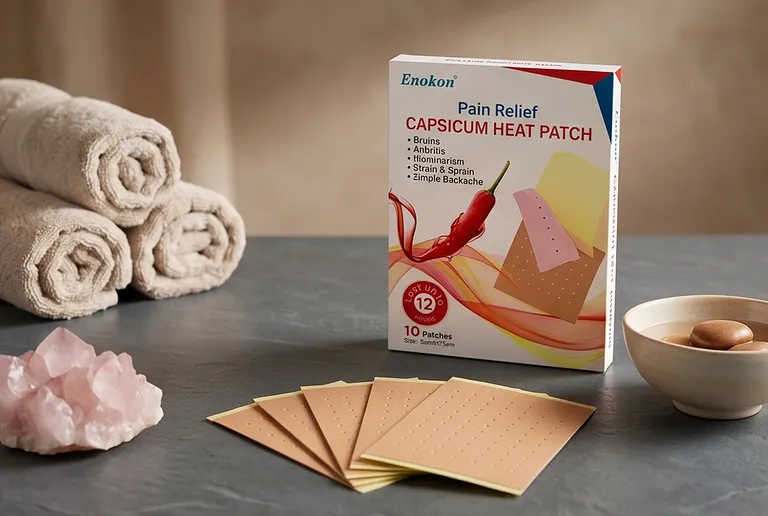
Because capsaicin works by actively manipulating nerve signals, its application requires care. The goal is therapeutic desensitization, not damage.
Key Precautions
- Always Patch Test: Before full application, test the patch on a small area. This isn't just about allergies; it's about understanding your individual sensitivity to the initial burning sensation.
- Apply to Intact Skin Only: Applying capsaicin to broken or irritated skin allows it to penetrate too quickly and deeply, bypassing the intended local effect and potentially leading to systemic side effects or intense pain.
- Differentiate Local from Systemic Effects:
- Expected: Localized redness, burning, and itching are normal signs the patch is working. These typically diminish with repeated use as the nerves desensitize.
- Rare but Reportable: Systemic effects like dizziness, coughing, or blurred vision (if it contacts the eyes) are not normal and warrant medical consultation.
Harnessing the power of capsaicin is a testament to our ability to understand and work with our own biology. What begins as a simple, fiery molecule becomes a sophisticated tool for relief, but only when delivered through thoughtfully engineered systems.
For brands and distributors looking to develop reliable, pharmaceutical-grade transdermal solutions for pain management, the right manufacturing partner is crucial. Contact Our Experts
Related Products
- Capsaicin Chili Medicated Pain Relief Patches
- Heat Relief Capsicum Patch for Lower Back Pain Relief
- Menthol Gel Pain Relief Patch
- Icy Hot Menthol Medicine Pain Relief Patch
- Asthma Cough and Pain Relief Patch for Adults and Kids
Related Articles
- The Capsaicin Paradox: When the Cure Creates the Pain
- Beyond Efficacy: The Psychology of Adherence in Topical Pain Relief
- More Than a Sticker: The Hidden Engineering of a Safe Pain Patch
- The Architecture of Relief: Deconstructing the Modern Pain Patch
- The Unseen Engineering Behind a Simple Medicated Patch



















