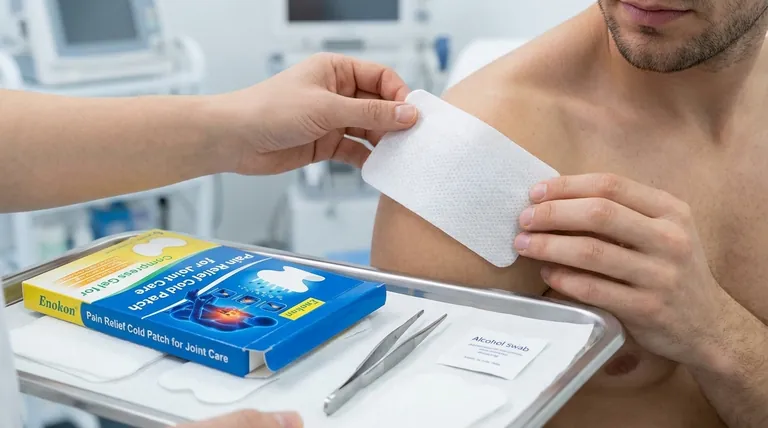
The Illusion of Simplicity
A transdermal patch is a marvel of medical engineering, yet its greatest strength is also its greatest psychological vulnerability: it feels simple.
Unlike a syringe or a pill, a patch feels passive. We apply it and forget it. This perceived simplicity can lead to a dangerous complacency. We might think of it as a sophisticated bandage, not what it truly is: a complex, active drug delivery system tethered directly to our physiology.
The gap between how a patch feels and how it works is where risk resides. Understanding this gap is the first step toward true safety.
The Skin as a System, Not Just a Surface
The design of a transdermal patch is based on one fundamental principle: the skin is a predictable, stable barrier. The patch is calibrated to release a precise dose of medication through this barrier over a specific period.
When that principle is violated, the system breaks down.
The 'Intact Skin' Protocol: A Non-Negotiable First Principle
A common mistake is applying a patch over irritated, broken, or inflamed skin. The thinking is intuitive but flawed: "The pain is here, so I'll put the patch right on it."
But broken skin is no longer a predictable barrier. It's an open gate. Applying a lidocaine patch to it is like opening the floodgates of a dam instead of letting water through a controlled turbine. The drug can rush into the bloodstream, bypassing the carefully engineered slow-release mechanism and risking systemic toxicity.
This is why the first rule is absolute: apply only to clean, dry, and completely intact skin.
The Hidden Accelerator: Why Heat is the Enemy of Control
Imagine someone with chronic back pain. They apply a patch and, seeking extra relief, place a heating pad over it. It seems logical—heat soothes muscles, and the patch numbs pain. A perfect combination.
In reality, it's a recipe for an overdose.
Heat increases local blood flow and skin permeability. The patch, designed to work at normal body temperature, suddenly faces a supercharged environment. The rate of drug absorption can skyrocket, delivering a massive, unintended dose. This principle applies to all external heat sources: electric blankets, direct sunlight, even a long, hot bath. The system was designed for stability, and heat is a powerful destabilizer.
The Patch in a Wider World: Unseen Interactions
The patch doesn't exist in a vacuum. Its materials and its potent payload can interact with the environment in unexpected ways.
The Invisible Risk: Metal, Magnets, and Medicine
Few people would guess that a soft, flexible patch could contain metallic components. Yet some do, often in the backing layer.
This becomes critically important during medical procedures like an MRI scan. The powerful magnetic fields can interact with the metal, causing the patch to heat up and result in serious skin burns. It’s a classic "unknown unknown" for a patient, but a crucial design consideration for a manufacturer.
This is where the deep material science expertise of a manufacturer like Enokon becomes critical. We engineer patches with a full understanding of their lifecycle, ensuring material compatibility and safety across different medical environments.
The Final Step: Decommissioning a Medical Device
When a patch is removed after 12 hours of use, it's not just a piece of trash. It's a medical device that needs to be decommissioned.
A used patch can still contain a significant amount of its original active ingredient. Folding it sticky-side-in and disposing of it securely isn't just about tidiness; it's about preventing accidental exposure. A child or pet who finds a discarded patch in the trash could ingest it, leading to severe toxicity.
Treating disposal with the same seriousness as application is essential for closing the safety loop.
Engineering for Human Behavior
A transdermal patch is a perfect intersection of material science, pharmacology, and human psychology. Its safety depends not just on its physical design, but on a clear understanding of how people will use—and misuse—it.
At Enokon, our R&D and bulk manufacturing processes are built on this holistic view. We create reliable, stable transdermal systems, but we also recognize that the ultimate margin of safety lies in creating products that are robust enough to work within the complexities of human life.
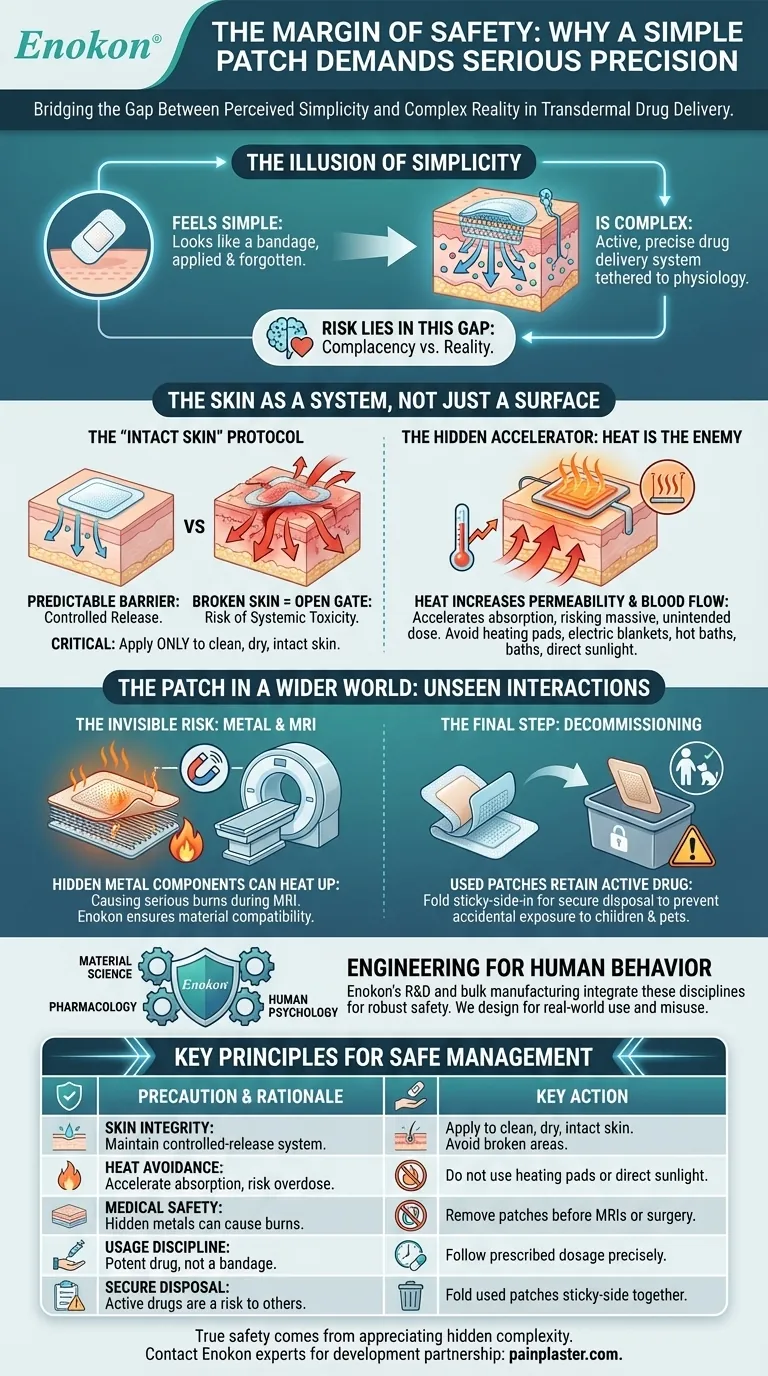
The following table summarizes the key principles for managing this complex system safely.
| Precaution | Key Action & Rationale |
|---|---|
| Skin Integrity | Apply to clean, dry, intact skin. Avoid broken areas to maintain the controlled-release system. |
| Heat Avoidance | Do not use heating pads or direct sunlight. Heat accelerates absorption, risking overdose. |
| Medical Safety | Remove patches before MRIs or surgery. Hidden metallic elements can cause burns. |
| Usage Discipline | Follow the prescribed dosage precisely. The patch is a potent drug, not a simple bandage. |
| Secure Disposal | Fold used patches sticky-side together. They still contain active drugs and are a risk to others. |
True safety comes from appreciating the hidden complexity in the things we see as simple. If you are developing a transdermal solution and need a partner who understands this from the molecular level to human behavior, Contact Our Experts.
Visual Guide
Related Products
- Far Infrared Heat Pain Relief Patches Transdermal Patches
- Silicone Scar Sheets Patch Transdermal Drug Patch
- Icy Hot Menthol Medicine Pain Relief Patch
- Menthol Gel Pain Relief Patch
- Mugwort Wormwood Pain Relief Patch for Neck Pain
Related Articles
- Engineering Certainty: The Invisible Architecture of a Gold-Standard Clinical Trial
- The Silent Workhorse: How Transdermal Patches Rewrote the Rules of Pain Management
- Beyond the Pill: The Silent Engineering of Safer Pain Relief
- Beyond Efficacy: The Psychology of Adherence in Topical Pain Relief
- Beyond the Molecule: The Behavioral Science of the Simple Pain Patch



















