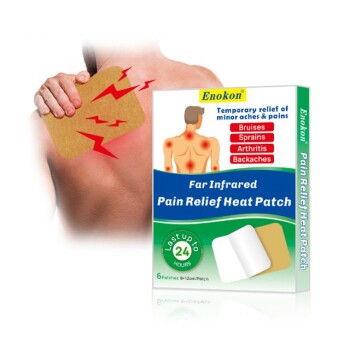
The polyester backing film serves as the definitive external boundary of a transdermal system. It provides critical mechanical support, prevents drug volatilization or leakage, and acts as a physical barrier against external contaminants like moisture and friction. By maintaining a stable environment, it ensures consistent drug delivery and patch integrity throughout the application cycle.
The polyester backing film is more than a cover; it is a precision-engineered barrier that protects formulation stability and enhances skin absorption through occlusion. For enterprise partners, selecting the right backing specification is a critical R&D decision that impacts both clinical efficacy and long-term shelf-life.
Mechanical Support and Physical Durability
Preventing Structural Failure
The backing film provides the mechanical strength required to maintain the patch's shape and integrity. It prevents the edges from curling due to friction with clothing and ensures the drug-loaded reservoir remains intact.
Enhancing Dynamic Flexibility
High-quality polyester films are designed to be flexible and conformable. This allows the patch to adhere securely to the skin during daily physical activities, preventing detachment caused by body movement.
Resistance to Abrasion
The outermost layer must possess high abrasion resistance. This protects the internal drug matrix from being compromised by external wear, ensuring the patch lasts for its entire intended application period.
Advanced Barrier Properties for Formulation Integrity
Containing Volatile Ingredients
In reservoir-type patches, the backing film acts as an absolute seal to prevent drug volatilization or leakage. It ensures that active ingredients and solvents are directed toward the skin rather than evaporating into the atmosphere.
Defending Against External Contaminants
The film serves as a physical barrier against sweat, moisture, and environmental pollutants. By isolating the reservoir from the outside world, it maintains the purity and stability of the therapeutic formulation.
Directional Diffusion Control
By blocking the outward migration of molecules, the backing film ensures that drug diffusion is unidirectional. This maximizes the bioavailability of the drug by forcing it through the rate-controlling membrane and into the skin.
The Role of Occlusion in Drug Delivery
Increasing Permeation Efficiency
Different specifications of polyester backing provide varying levels of occlusion. High occlusion increases the hydration of the skin's stratum corneum, which significantly enhances the transdermal absorption efficiency of many drugs.
Ensuring Chemical Inertness
The material is selected for its chemical stability, ensuring it does not react with or absorb the active pharmaceutical ingredients (APIs). This inertness is vital for maintaining the precise concentration of the drug reservoir over time.
Maintaining Hydration Levels
By preventing the evaporation of transepidermal water loss (TEWL), the backing film creates a hydrated microenvironment. This softening of the skin barrier is a key mechanism for improving the delivery of large or lipophilic molecules.
Understanding the Trade-offs in Material Selection
Flexibility vs. Barrier Strength
While thinner films offer superior comfort and skin conformation, they may provide a less effective barrier for highly volatile solvents. R&D teams must balance these properties based on the specific requirements of the drug formulation.
Occlusion Levels and Skin Irritation
Increasing occlusion improves drug delivery but can sometimes lead to skin irritation or maceration if the patch is worn for extended periods. Professional OEM/ODM partners mitigate this by customizing the film's breathability and thickness.
Compatibility with High-Speed Production
In large-scale manufacturing, the backing film must have the tensile strength to withstand high-speed automated processes. Choosing a film that is too fragile can lead to production downtime and increased waste in GMP-certified facilities.
How to Apply This to Your Project
Making the Right Choice for Your Goal
Choosing the correct backing film is essential for balancing therapeutic performance with a positive user experience.
- If your primary focus is Maximum Bioavailability: Select a high-occlusion polyester film to maximize skin hydration and enhance drug flux through the stratum corneum.
- If your primary focus is Patient Comfort and Wearability: Prioritize thin, high-flexibility films that conform to body contours and resist lifting during physical activity.
- If your primary focus is Stability of Volatile Formulations: Utilize multi-layered or reinforced polyester barriers to prevent solvent loss and ensure a stable shelf-life.
By leveraging expert R&D and high-volume manufacturing capabilities, brand owners can ensure their transdermal products meet the highest standards of safety and efficacy.
Summary Table:
| Key Function | Primary Benefit | Impact on Product Quality |
|---|---|---|
| Mechanical Support | Prevents edge curling and structural failure | Enhances patient wearability and durability |
| Barrier Properties | Prevents drug volatilization and contamination | Ensures formulation stability and long shelf-life |
| Occlusion Control | Increases skin hydration and permeation | Maximizes drug bioavailability and efficacy |
| Unidirectional Flow | Forces drug diffusion toward the skin | Guarantees consistent and accurate dosing |
| Chemical Inertness | Prevents reaction with active ingredients | Maintains purity of the pharmaceutical formulation |
Scale Your Brand with Enokon’s Manufacturing Excellence
Are you looking for a reliable partner to bring your transdermal innovations to life? Enokon is a trusted manufacturer specializing in high-volume production and custom R&D for brand owners, distributors, and B2B resellers. We offer turnkey OEM/ODM solutions in GMP-certified facilities to ensure your products meet global standards.
Our Capabilities Include:
- Custom Formulations: Expert R&D for pain relief (Lidocaine, Menthol, Capsicum, Herbal), Detox, Eye Protection, and Medical Cooling patches.
- Enterprise Scale: Massive production capacity with stringent quality control for reliable high-volume delivery.
- Advanced Engineering: Optimization of backing films and membranes for maximum efficacy (excluding microneedle technology).
Partner with a leader in transdermal drug delivery to enhance your profit margins and market presence. Contact our expert team today to start your custom project!
References
- Chunyi Zhao, Liang Fang. Effect of isopropyl myristate on the viscoelasticity and drug release of a drug-in-adhesive transdermal patch containing blonanserin. DOI: 10.1016/j.apsb.2016.05.012
This article is also based on technical information from Enokon Knowledge Base .
Related Products
- Far Infrared Heat Pain Relief Patches Transdermal Patches
- Silicone Scar Sheets Patch Transdermal Drug Patch
People Also Ask
- Why is the control of material particle size critical in the development of Far Infrared pain relief patches? Boost Efficacy
- Why is the selection of matrix materials critical when developing customized transdermal patches? Optimize Efficacy
- What are the physical impacts of external heat exposure on the performance and safety of transdermal patches? - Guide
- What are the clinical advantages of local transdermal delivery systems? Unlock Safer, More Effective Pain Relief Solutions
- What role does a skin tolerance scoring system play in the safety evaluation of transdermal patches? Key Safety Metrics