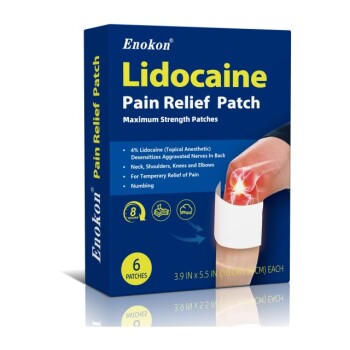
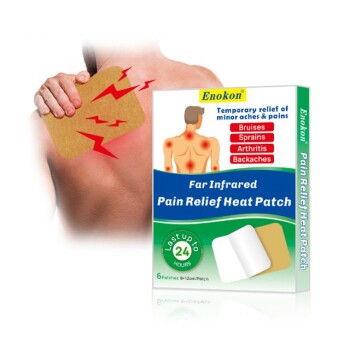
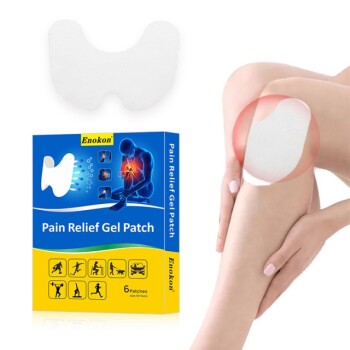
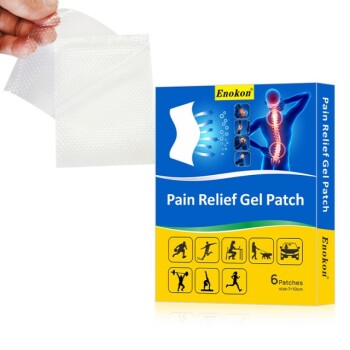
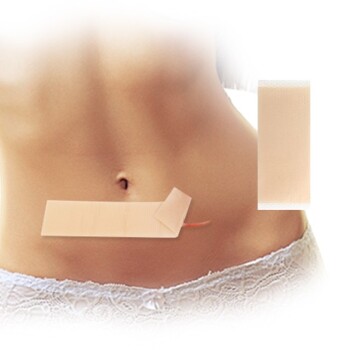
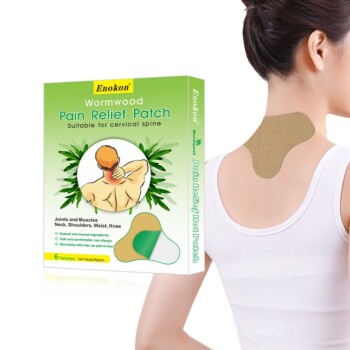
Lidocaine 5% transdermal patches represent a critical evolution in localized chronic pain management, offering a targeted alternative to traditional oral analgesics. By delivering medication directly through the skin, these patches achieve high local drug concentrations while maintaining exceptionally low systemic absorption—typically around 3% (±2%). This mechanism effectively bypasses the gastrointestinal tract and hepatic metabolism, providing a safer, more tolerable profile for long-term patient use.
Core Takeaway: Lidocaine 5% patches solve the "systemic burden" problem of oral analgesics by providing localized relief with minimal drug-drug interactions. For distributors and brand owners, this represents a high-demand product category that balances clinical efficacy with superior patient safety profiles.
Superior Pharmacokinetic Profile
Bypassing Hepatic First-Pass Metabolism
Oral analgesics must pass through the digestive system and the liver, which often leads to gastrointestinal degradation and reduced bioavailability. Lidocaine patches deliver the active pharmaceutical ingredient (API) directly to the site of pain, ensuring the medication does not interfere with the digestive or metabolic systems.
Minimizing Systemic Exposure
Unlike oral NSAIDs or opioids that circulate throughout the entire body, 5% Lidocaine patches result in minimal blood plasma concentrations. This localized action significantly reduces the risk of systemic side effects, such as cardiovascular strain, renal impairment, or central nervous system issues.
Reducing Drug-Drug Interactions (DDI)
Because the systemic absorption is so low, these patches are ideal for patients on multi-drug regimens, such as the elderly or those with comorbidities. This makes the patch a versatile adjunctive therapy that can be safely combined with other medications without complicating the patient’s existing treatment plan.
Strategic Advantages for Global Brand Owners
Advanced R&D and High-Permeability Matrices
The efficacy of a 5% Lidocaine patch relies on a high-permeability matrix designed to transport the API through the skin barrier efficiently. Enterprise-level manufacturing partners leverage deep R&D prowess to ensure consistent drug release rates, which is a key differentiator for premium brands in the analgesic market.
Improved Patient Adherence and Quality of Life
Oral medications often require strict dosing schedules and can cause debilitating side effects like gastric mucosal damage. Transdermal patches offer a "set and forget" convenience that improves patient compliance and enhances quality of life metrics, including better sleep and daily activity levels.
Reliability at Massive Production Scale
For B2B wholesalers and distributors, the value lies in partnering with GMP-certified facilities capable of high-volume delivery. Stringent quality control ensures that every patch meets precise therapeutic concentrations, protecting the brand reputation of the reseller in a competitive global market.
Understanding the Trade-offs and Limitations
Application Site Sensitivity
The most common limitation of transdermal systems is the potential for localized skin irritation or redness at the application site. Patients with compromised skin integrity may not be suitable candidates, as the patch requires a healthy dermal barrier for safe use.
Depth of Penetration Constraints
While highly effective for peripheral neuropathic pain and soft tissue discomfort, transdermal patches have a finite depth of penetration. They may be less effective for deep-seated visceral pain or systemic inflammatory conditions where oral or intravenous routes remain the clinical standard.
Cost and Environmental Factors
The manufacturing complexity of a high-quality transdermal matrix often results in a higher unit cost compared to generic oral tablets. Furthermore, distributors must account for clinical environments where cost-control requirements might favor traditional systemic analgesics despite their side-effect profile.
How to Apply This to Your Product Portfolio
Making the Right Choice for Your Goal
- If your primary focus is capturing the geriatric or high-risk market: Prioritize the 5% Lidocaine patch for its safety profile and low risk of drug-drug interactions in patients with liver or kidney dysfunction.
- If your primary focus is premium brand differentiation: Leverage the advanced delivery technology and "low-side-effect" marketing angle to position the patch as a superior alternative to traditional NSAIDs.
- If your primary focus is high-volume B2B distribution: Partner with an OEM/ODM provider that offers massive production capacity and comprehensive global certifications to ensure supply chain reliability.
The shift toward localized therapy represents a significant market opportunity to provide safer, more effective chronic pain management solutions at scale.
Summary Table:
| Feature | Lidocaine 5% Patch | Traditional Oral Analgesics |
|---|---|---|
| Systemic Absorption | Minimal (~3% ±2%) | High (System-wide) |
| Metabolism | Bypasses Liver/GI | Hepatic First-Pass |
| Side Effects | Localized (Skin only) | Systemic (GI, Renal, CNS) |
| Drug Interactions | Very Low | High (Due to systemic load) |
| Compliance | High (Set & Forget) | Variable (Strict dosing) |
Scale Your Brand with Enokon’s Advanced Transdermal Solutions
Are you a brand owner, distributor, or B2B reseller looking to capture the growing demand for localized pain management? Partner with Enokon, a trusted manufacturer and leader in transdermal drug delivery systems.
Why Choose Enokon as Your OEM/ODM Partner?
- Turnkey R&D: Custom formulations including Lidocaine, Menthol, Capsicum, and Herbal relief tailored to your market.
- Massive Production Capacity: Our GMP-certified facilities ensure reliable, high-volume delivery to meet global supply chain needs.
- Stringent Quality Control: We offer comprehensive global certifications, ensuring your products meet the highest therapeutic standards.
- Comprehensive Portfolio: From pain relief to Medical Cooling Gel and Detox patches, we provide the scale you need to grow.
Note: We specialize in high-permeability matrix technology across our entire range (excluding microneedles).
Contact us today to discuss your custom R&D or wholesale needs!
References
- David A. Fishbain, Renée Steele Rosomoff. Lidocaine 5% Patch: An Open-Label Naturalistic Chronic Pain Treatment Trial and Prediction of Response: Table 1. DOI: 10.1111/j.1526-4637.2006.00108.x
This article is also based on technical information from Enokon Knowledge Base .
Related Products
- Lidocaine Hydrogel Pain Relief Patch for Pain Relief
- Far Infrared Heat Pain Relief Patches Transdermal Patches
- Icy Hot Menthol Medicine Pain Relief Patch
- Menthol Gel Pain Relief Patch
- Silicone Scar Sheets Patch Transdermal Drug Patch
People Also Ask
- How does the aqueous base in a lidocaine patch contribute to drug delivery? Unlocking Sustained Pain Relief Technology
- What are the physical and pharmacological mechanisms of Lidocaine hydrogel patches? Dual-Action Neuropathic Pain Relief
- How does the hydrogel carrier itself contribute to pain relief in Lidocaine Patches? Discover Dual-Action Therapy
- What is the rationale behind the 12-hour application and 12-hour break cycle for Lidocaine Hydrogel Patches?
- How do Lidocaine Hydrogel Patches accommodate large-area surgical pain sites? Modular and Customizable Relief Solutions