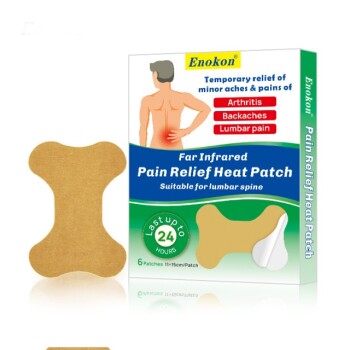
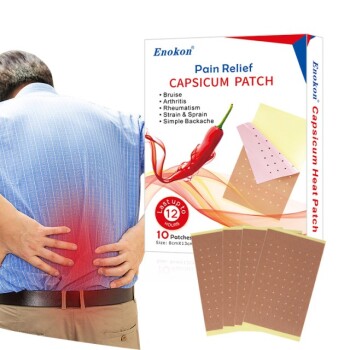
The backing layer is the primary protective shield of a transdermal patch, acting as an impermeable barrier that prevents the active pharmaceutical ingredients (APIs) from evaporating or leaking. It ensures that the medication remains stable and moves in a single direction—into the patient's skin—while protecting the entire delivery system from external contaminants, moisture, and mechanical wear.
A high-performance backing layer is the foundation of a patch's structural integrity, directly impacting both the drug's shelf-life and its therapeutic efficacy. For brand owners, selecting the right material is a critical R&D decision that balances chemical inertness with the mechanical flexibility required for patient compliance.
Ensuring Drug Stability and Unidirectional Delivery
Preventing Volatile Loss and External Contamination
The backing layer serves as the outermost physical barrier, sealing the drug reservoir against the environment. This prevents the loss of volatile components and ensures that the API concentration remains consistent throughout the patch's wear time.
By blocking external moisture and contaminants, the backing layer protects the chemical stability of the formulation. This is essential for maintaining GMP-certified quality standards and ensuring the product performs as intended for the end-user.
Facilitating Unidirectional Penetration
Effective backing layers are designed with low water vapor transmission rates to create an occlusive environment on the skin. This hydration effect increases the skin's permeability, forcing the drug to move unidirectionally into the systemic circulation.
Without this impermeable seal, the medication could be absorbed by clothing or lost to the air. Our R&D processes focus on optimizing this "push" effect to maximize the bioavailability of your custom formulations.
Engineering for Mechanical Integrity and Compliance
Balancing Flexibility and Mechanical Strength
A transdermal patch must conform to the body's contours during movement without peeling or cracking. We utilize advanced polymers like polyethylene, polyester, and functionalized cellulose to provide the necessary elasticity.
This mechanical strength ensures the patch remains securely attached during daily activities. For high-volume distributors, this durability translates to fewer patient complaints and higher brand loyalty.
Chemical Inertness and Material Selection
The backing material must be chemically inert to prevent any adverse reactions with the drug matrix or adhesives. If the material is not compatible, it can lead to drug degradation or the leaching of impurities.
Our manufacturing facilities leverage sophisticated material science to select films—ranging from aluminum foils to specialized clear plastics—that match the specific chemical profile of your product. This level of technical precision is what defines world-class OEM/ODM partnerships.
Understanding the Trade-offs in Backing Design
Occlusivity vs. Skin Breathability
Higher occlusivity generally improves drug penetration but can lead to skin irritation or "maceration" if worn for extended periods. Manufacturers must find the "sweet spot" where the barrier is strong enough to deliver the drug but breathable enough to maintain patient comfort.
Flexibility vs. Rigidity
While a thicker backing layer offers superior protection and drug containment, it may be too rigid for application on joints or curved body parts. Choosing a material that is too thin might lead to "edge lift," where the patch begins to detach, compromising the delivery dosage.
Aligning Backing Technology with Your Business Goals
How to Apply This to Your Project
When developing a transdermal product for the global market, your choice of backing layer should align with your specific therapeutic and commercial objectives.
- If your primary focus is high-potency drug delivery: Prioritize high-occlusivity materials like aluminum-based laminates to ensure maximum unidirectional flow and API protection.
- If your primary focus is patient lifestyle and aesthetics: Opt for thin, transparent, and highly flexible polymer films that offer a "second-skin" feel and remain discreet under clothing.
- If your primary focus is long-term wear (multi-day patches): Select materials with superior mechanical strength and moisture resistance to prevent premature detachment during exercise or bathing.
The right backing layer does more than cover a patch; it secures the efficacy, safety, and market success of your pharmaceutical investment.
Summary Table:
| Key Function | Primary Benefit | Common Materials Used |
|---|---|---|
| Protective Barrier | Prevents API evaporation and external contamination | Polyethylene, Polyester, Aluminum Foil |
| Unidirectional Flow | Forces drug delivery into the skin via occlusion | Specialized Laminates, Polymeric Films |
| Mechanical Support | Ensures patch flexibility and skin adhesion | Functionalized Cellulose, Elastic Polymers |
| Chemical Stability | Prevents drug degradation through material inertness | Clear Plastics, Barrier Laminates |
Scale Your Brand with Enokon’s Precision Manufacturing
Looking to launch a high-performance transdermal product? Enokon is your trusted GMP-certified manufacturer, offering world-class wholesale and custom R&D solutions for brand owners and distributors. We specialize in producing a comprehensive range of transdermal drug delivery products (excluding microneedle technology), including Lidocaine, Menthol, Capsicum, Herbal, and Far Infrared pain relief patches, as well as specialized Eye Protection and Medical Cooling Gel patches.
By partnering with us, you gain access to:
- Turnkey Contract R&D: Custom formulations tailored to your therapeutic goals.
- Massive Production Capacity: Reliable high-volume delivery to meet global demand.
- Technical Expertise: Advanced material science to optimize backing layers for maximum API stability.
Ready to elevate your product line? Contact our expert team today to discuss your OEM/ODM requirements!
References
- Rushikesh Narode*, Vikram Saruk, Manoj Garad, Parvani Wani. Therapeutic Advance in Transdermal Drug Delivery Systems, Enhancing Efficiency Through the Skin. DOI: 10.5281/zenodo.17552949
This article is also based on technical information from Enokon Knowledge Base .
Related Products
- Far Infrared Pain Patch Relief Pain Reliever for Back
- Heat Relief Capsicum Patch for Lower Back Pain Relief
People Also Ask
- How does high-purity far-infrared ceramic powder contribute to the efficacy of far-infrared physical therapy patches?
- What are the advantages of utilizing Far Infrared patches for neuropathy? Non-invasive Repair vs. Oral Medication
- Why is the control of material particle size critical in the development of Far Infrared pain relief patches? Boost Efficacy
- Why Control Pseudo-diffusion in Pain Relief Patch Manufacturing? Enhance Efficacy & Performance
- What is the mechanism of action for far infrared pain relief patches in physical therapy for chronic pain? OEM Insights