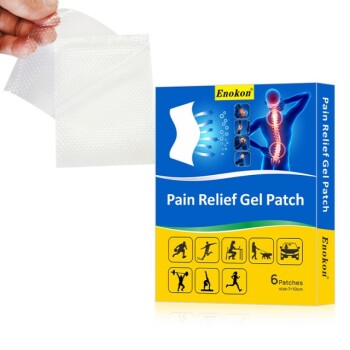
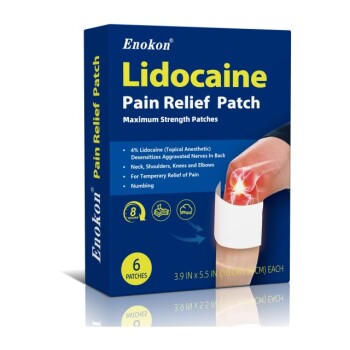
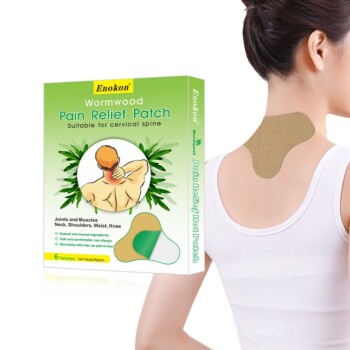
Medical-grade pressure-sensitive adhesive (PSA) foil is the critical structural component that ensures the physical integrity and therapeutic efficacy of a Transdermal Drug Delivery System (TDDS). Its primary function is to securely bond the drug-loaded membrane to the skin while acting as a moisture-proof seal that directs the flow of active pharmaceutical ingredients (APIs) into the body.
In the construction of a TDDS device, the PSA foil serves as a dual-purpose interface: it provides the necessary mechanical adhesion to maintain skin contact during the full duration of therapy and creates a controlled environment that regulates drug release kinetics.
The Essential Functions in TDDS Engineering
Securing the Active Delivery Interface
The adhesive foil is responsible for fixing the drug-loaded mesoporous silica membrane or matrix directly to the surface of hydrated skin. Without a reliable physical connection, the drug delivery process would be interrupted, leading to inconsistent dosing.
Regulating the Microenvironment
By acting as a seal, the foil prevents excessive moisture evaporation from the skin surface. This hydration is essential for maintaining skin permeability, ensuring that the direction of drug release remains consistently oriented toward the skin tissue rather than escaping into the environment.
Acting as a Precision Drug Reservoir
In many advanced TDDS designs, the adhesive layer is more than a simple glue; it functions as a drug carrier matrix. The chemical composition of the PSA—whether polyisobutylene, acrylate, or silicone-based—directly dictates drug solubility and the final permeation rate.
Manufacturing and R&D Considerations
Ensuring Biocompatibility at Scale
For brand owners, the selection of a PSA is a matter of patient compliance and regulatory safety. High-quality medical adhesives must exhibit excellent biocompatibility to minimize skin irritation or allergic reactions, even during multi-day applications.
Maintaining Viscoelastic Stability
A critical R&D challenge is ensuring viscoelastic stability. The adhesive must remain tacky and secure during physical activities, such as bathing or exercise, yet be removable without leaving adhesive residue or damaging the skin.
Turnkey Custom Formulations
Enterprise-level manufacturing requires PSAs that are compatible with specific permeation enhancers. Leading OEM partners utilize stringent GMP-certified processes to ensure that the adhesive does not react negatively with the drug or its delivery stabilizers.
Understanding the Trade-offs
Adhesion Strength vs. Skin Trauma
There is a technical tension between durable adhesion and ease of removal. Excessive bond strength can cause mechanical irritation upon detachment, while insufficient strength leads to premature patch failure and wasted API.
Chemical Compatibility vs. Release Rates
The adhesive must be chemically inert to the drug, yet its microscopic structure must facilitate a controlled diffusion coefficient. If the drug is too soluble in the adhesive, it may not release effectively; if it is not soluble enough, the drug may crystallize and fail to permeate.
Making the Right Choice for Your Project
How to Apply This to Your Strategy
Selecting the appropriate PSA foil depends entirely on the therapeutic window and the physical requirements of the target patient demographic.
- If your primary focus is Long-Term Wear (3-7 Days): Prioritize high-performance silicone or acrylate adhesives with proven viscoelastic stability to prevent edge-lifting during daily activity.
- If your primary focus is Rapid Drug Delivery: Opt for a drug-in-adhesive formulation where the PSA serves as the primary reservoir to maximize the initial permeation gradient.
- If your primary focus is Sensitive Skin/Pediatrics: Focus on hypoallergenic, medical-grade materials and "soft-touch" removal technologies to ensure high patient compliance and brand trust.
By integrating high-capacity manufacturing with precision R&D, brand owners can deliver TDDS products that are both clinically effective and commercially scalable.
Summary Table:
| Key Function | Role in TDDS Construction | Impact on Therapeutic Efficacy |
|---|---|---|
| Mechanical Adhesion | Secures the patch/membrane to hydrated skin. | Prevents interrupted dosing and patch failure. |
| Moisture Sealing | Prevents evaporation and maintains skin hydration. | Directs API flow into skin tissue, not environment. |
| Drug Reservoir | Acts as a carrier matrix for active ingredients. | Controls drug solubility and permeation rates. |
| Biocompatibility | Uses hypoallergenic, medical-grade materials. | Minimizes skin irritation and improves compliance. |
| Stability | Maintains viscoelastic integrity during activity. | Ensures patch stays effective during bathing/exercise. |
Scale Your Brand with Enokon’s Advanced TDDS Manufacturing
Are you looking for a reliable partner to bring high-performance transdermal products to market? Enokon is a trusted manufacturer and brand offering comprehensive wholesale, OEM/ODM, and custom R&D solutions for B2B resellers, distributors, and brand owners worldwide.
Why Partner with Enokon?
- Expert R&D & Custom Formulations: We specialize in the complex chemistry of pressure-sensitive adhesives and drug-in-adhesive reservoirs to ensure precision delivery.
- Massive Production Capacity: Our GMP-certified facilities provide reliable, high-volume delivery to meet global demand.
- Diverse Product Portfolio: From Lidocaine and Menthol pain relief to Herbal, Detox, and Eye Protection patches, we offer a wide range of medical-grade solutions (excluding microneedle technology).
- Global Compliance: We adhere to stringent quality control standards, ensuring your products are safe, effective, and market-ready.
Ready to elevate your product line? Contact our expert team today to discuss your custom project or wholesale needs!
References
- Frank Baumann, Achim Aigner. Mesoporous Silica-Based Membranes in Transdermal Drug Delivery: The Role of Drug Loss in the Skin. DOI: 10.3390/pharmaceutics16080995
This article is also based on technical information from Enokon Knowledge Base .
Related Products
- Cooling Fever Patches Color Change Cold Fever Patch
- Silicone Scar Sheets Patch Transdermal Drug Patch
- Far Infrared Heat Pain Relief Patches Transdermal Patches
- Icy Hot Menthol Medicine Pain Relief Patch
- Menthol Gel Pain Relief Patch
People Also Ask
- What are the advantages of cooling patches over traditional wet towel methods? Modern Fever Relief
- How should cooling patches be applied? A Step-by-Step Guide for Effective Relief
- What precautions should be taken when using cooling patches? Essential Safety Tips for Effective Relief
- What other applications do cooling patches have besides fever relief? Discover Their Versatile Uses
- Why are cooling patches beneficial for toddlers? Safe & Portable Fever Relief