The release liner is the critical protective interface of a transdermal drug delivery system (TDDS). Its primary function is to seal and protect the drug-loaded adhesive matrix, preventing the leakage of active ingredients and blocking environmental contaminants during storage. By maintaining the chemical and physical integrity of the patch until the moment of application, the release liner ensures that the delivered dose remains accurate and the adhesive remains effective for patient use.
The release liner acts as a high-precision barrier that safeguards both the medication and the adhesive properties of a transdermal patch. For enterprise-scale brands, this component is the key to ensuring product shelf-life, dosage accuracy, and a seamless user experience.
Preserving Pharmacological Integrity
Prevention of Active Ingredient Loss
The release liner serves as an impermeable seal that prevents the drug formulation from leaking or volatilizing. This is especially critical for volatile compounds or high-potency drugs where even a minor loss can compromise the clinical efficacy of the entire batch.
Defense Against Environmental Contamination
By acting as the bottom-most layer, the liner blocks moisture, oxygen, and microbial contaminants from reaching the drug reservoir. This protective function is vital for maintaining the stability of the formulation throughout its designated shelf-life in various global climates.
Chemical Inertness and Stability
High-quality liners are engineered to be chemically inert, ensuring they do not react with the drug components or the adhesive. This non-reactive nature prevents the degradation of the medication and ensures that no harmful substances leach into the patch during long-term storage.
Ensuring Mechanical and Clinical Performance
Protecting the Pressure-Sensitive Adhesive (PSA)
The liner maintains the "tack" and cohesive strength of the adhesive layer by preventing it from drying out or adhering to the primary packaging. This ensures that once the liner is removed, the patch will adhere firmly and consistently to the patient's skin for the duration of the treatment.
Optimization of Peel Force
A critical R&D factor is the "release force"—the ease with which the liner is removed. A precision-engineered liner allows the user to peel it away effortlessly without stripping the drug away from the matrix or damaging the structural integrity of the adhesive.
Maintaining Dosage Accuracy
By ensuring that the drug-containing matrix remains intact and undisturbed during the peeling process, the liner guarantees that the full prescribed dose is available for skin contact. Any "matrix transfer" to the liner would result in sub-therapeutic dosing and product failure.
Understanding the Trade-offs and Technical Risks
Chemical Compatibility vs. Material Cost
While polyester foils with Teflon or silicone coatings provide superior inertness, they represent a higher material cost. Choosing lower-grade materials can lead to "drug-in-liner" migration, where the active ingredient is absorbed by the liner itself, reducing the patch’s potency.
Release Force Variability
If the bond between the liner and the adhesive is too weak, the liner may delaminate prematurely during automated packaging, leading to high waste rates. Conversely, if the bond is too strong, the patient may struggle to remove it, potentially tearing the patch and rendering it unusable.
Interaction with Specialized Formulations
Custom formulations, such as those involving penetration enhancers or complex solvent systems, require rigorous R&D testing to select the correct liner coating. Failure to match the liner to the specific chemistry of the adhesive matrix can result in permanent bonding or chemical degradation of the active pharmaceutical ingredient (API).
Strategic Selection for Your Project
How to Apply This to Your Project
Selecting the right release liner is a decision that impacts manufacturing yield, regulatory compliance, and brand reputation. Your choice should align with your specific commercial objectives and the complexity of your formulation.
- If your primary focus is Consumer Experience and Brand Loyalty: Prioritize R&D that optimizes peel force and utilizes "easy-open" liner designs to ensure frustration-free application for the end-user.
- If your primary focus is Global Distribution and Long Shelf-Life: Invest in high-barrier metallized or fluorocarbon-coated liners that provide maximum protection against environmental degradation and API volatilization.
- If your primary focus is High-Volume Market Entry: Partner with a GMP-certified manufacturer that offers turnkey contract R&D and massive production capacity to ensure consistent liner quality across millions of units.
A technically superior release liner is the silent guardian of transdermal efficacy, bridging the gap between sophisticated pharmaceutical R&D and reliable patient outcomes.
Summary Table:
| Function Category | Primary Role | Impact on Product Quality |
|---|---|---|
| Pharmacological | Prevents drug leakage and volatilization | Ensures accurate dosage and long-term shelf-life |
| Environmental | Blocks moisture, oxygen, and microbes | Maintains stability across diverse global climates |
| Mechanical | Protects the pressure-sensitive adhesive | Guarantees consistent skin adhesion upon application |
| Clinical | Optimizes peel force/release force | Prevents matrix damage and ensures user-friendly use |
Partner with Enokon for High-Performance Transdermal Solutions
Are you looking to scale your brand with a manufacturer that understands the technical precision of every patch layer? Enokon is a trusted global manufacturer and GMP-certified partner specializing in high-volume OEM/ODM production and custom R&D for transdermal delivery systems.
From optimized release liners to advanced drug-in-adhesive formulations, we offer turnkey solutions for:
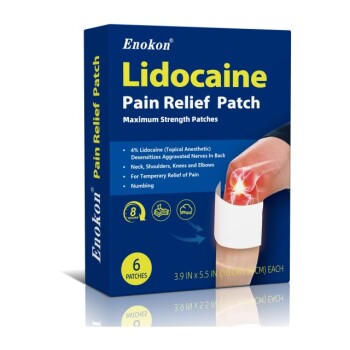
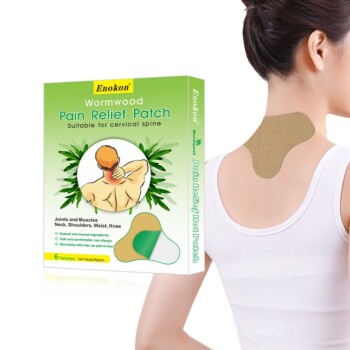
- Pain Relief: Lidocaine, Menthol, Capsicum, and Far Infrared patches.
- Wellness & Care: Eye Protection, Detox, and Medical Cooling Gel patches.
- Custom R&D: Tailored formulations and manufacturing scale for brand owners and wholesalers (excluding microneedle technology).
Maximize your margins and ensure product reliability with our stringent quality control and massive production capacity.
Contact Enokon Today for a Custom Quote and R&D Consultation
References
- Devbrat Soni, Priyanka Kesharawani. Current Trends and Recent Development of Transdermal Drug Delivery System TDDS. DOI: 10.22270/ajprd.v11i3.1274
This article is also based on technical information from Enokon Knowledge Base .
Related Products
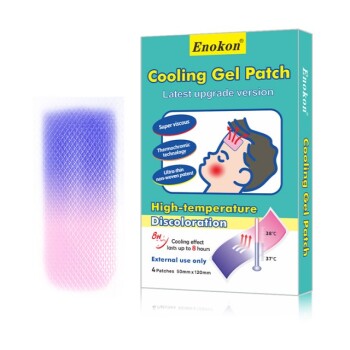
- Cooling Fever Patches Color Change Cold Fever Patch
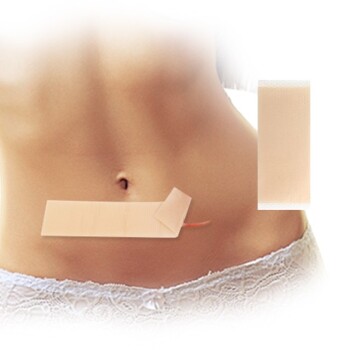
- Silicone Scar Sheets Patch Transdermal Drug Patch
- Far Infrared Heat Pain Relief Patches Transdermal Patches
- Icy Hot Menthol Medicine Pain Relief Patch
- Menthol Gel Pain Relief Patch
People Also Ask
- What are the advantages of cooling patches over traditional wet towel methods? Modern Fever Relief
- How should cooling patches be applied? A Step-by-Step Guide for Effective Relief
- What precautions should be taken when using cooling patches? Essential Safety Tips for Effective Relief
- What other applications do cooling patches have besides fever relief? Discover Their Versatile Uses
- Why are cooling patches beneficial for toddlers? Safe & Portable Fever Relief