
Fentanyl patches are potent opioid medications used for pain management in animals, but they require strict safety measures to prevent accidental exposure, misuse, or overdose. Key precautions include securing the patch to avoid ingestion, avoiding heat exposure, monitoring for side effects, and ensuring proper storage and disposal. Special care must be taken to protect other pets and children from accidental contact with used or unused patches.
Key Points Explained:
-
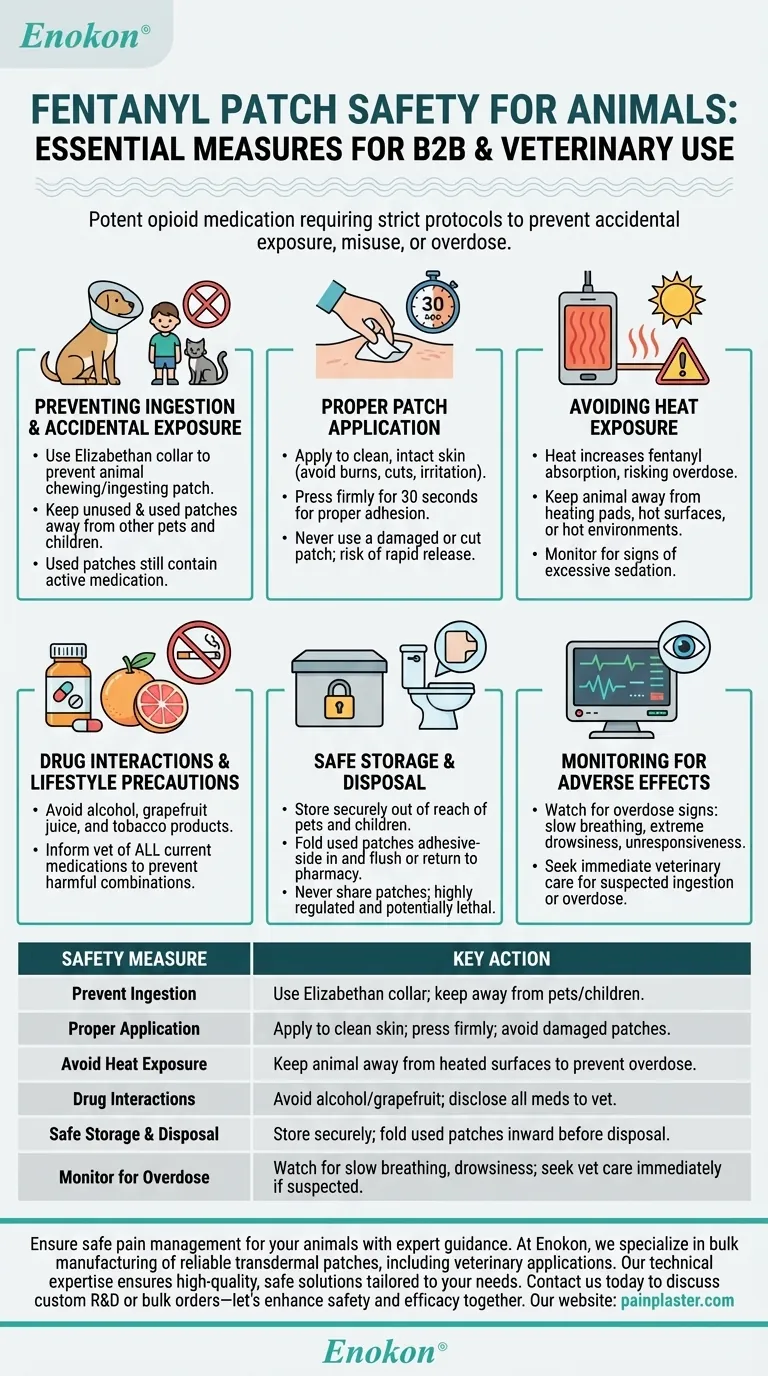
Preventing Ingestion by Animals or Others
- Animals may try to chew or ingest the Fentanyl Patch, which can lead to overdose or death.
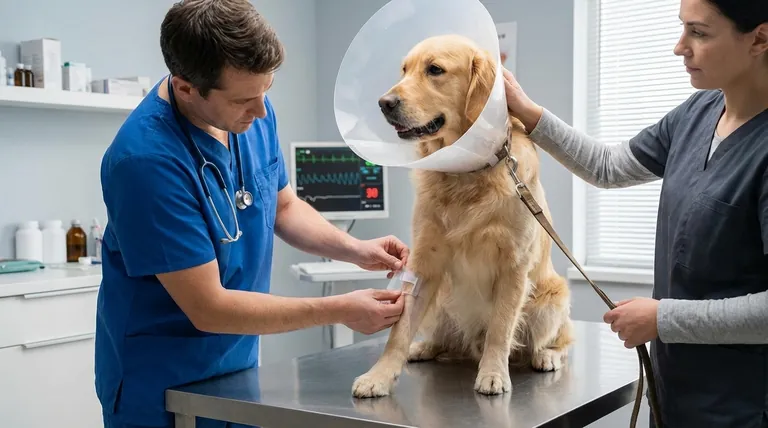
- Use an Elizabethan collar (cone) to prevent the animal from accessing the patch.
- Keep patches away from other pets and children, as even used patches retain active medication.
-
Proper Patch Application
- Apply the patch to clean, intact skin—avoid areas with burns, cuts, or irritation.
- Press firmly for 30 seconds to ensure adhesion; use first-aid tape if edges lift.
- Never use a damaged or cut patch, as it may release too much medication.
-
Avoiding Heat Exposure
- Heat (e.g., heating pads, hot environments) increases fentanyl absorption, risking overdose.
- Keep the animal away from heated surfaces and monitor for signs of excessive sedation or breathing difficulties.
-
Drug Interactions & Lifestyle Precautions
- Alcohol, grapefruit juice, and tobacco can interact dangerously with fentanyl.
- Inform the veterinarian of all medications the animal is taking to avoid harmful combinations.
-
Safe Storage & Disposal
- Store patches securely where pets and children cannot access them.
- Dispose of used patches by folding them adhesive-side in and flushing them or returning them to a pharmacy.
- Never share patches with other animals or humans—fentanyl is highly regulated and potentially lethal if misused.
-
Monitoring for Adverse Effects
- Watch for signs of overdose: slow breathing, extreme drowsiness, or unresponsiveness.
- Seek immediate veterinary care if accidental ingestion or overdose is suspected.
By following these precautions, pet owners and veterinary professionals can safely use fentanyl patches while minimizing risks to animals and people. Have you considered how small adjustments in storage or monitoring could further enhance safety in your specific setting?
Summary Table:
| Safety Measure | Key Action |
|---|---|
| Prevent Ingestion | Use an Elizabethan collar; keep away from pets/children. |
| Proper Application | Apply to clean skin; press firmly; avoid damaged patches. |
| Avoid Heat Exposure | Keep animal away from heated surfaces to prevent overdose. |
| Drug Interactions | Avoid alcohol/grapefruit; disclose all medications to the vet. |
| Safe Storage & Disposal | Store securely; fold used patches inward before disposal. |
| Monitor for Overdose | Watch for slow breathing, drowsiness; seek vet care immediately if suspected. |
Ensure safe pain management for your animals with expert guidance.
At Enokon, we specialize in bulk manufacturing of reliable transdermal patches, including veterinary applications. Our technical expertise ensures high-quality, safe solutions tailored to your needs.
Contact us today to discuss custom R&D or bulk orders—let’s enhance safety and efficacy together.
Visual Guide
Related Products
- Cooling Fever Patches Color Change Cold Fever Patch
- Medical Cooling Gel Patches for Fever Cooling Patches
- Icy Hot Menthol Medicine Pain Relief Patch
- Menthol Gel Pain Relief Patch
- Herbal Medicated Anti Diarrhea Patch for Digestive Relief
People Also Ask
- What are the advantages of cooling patches over traditional wet towel methods? Modern Fever Relief
- How should cooling patches be applied? A Step-by-Step Guide for Effective Relief
- What precautions should be taken when using cooling patches? Essential Safety Tips for Effective Relief
- Why are cooling patches beneficial for toddlers? Safe & Portable Fever Relief
- What other applications do cooling patches have besides fever relief? Discover Their Versatile Uses




