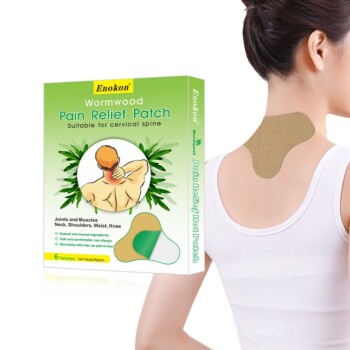
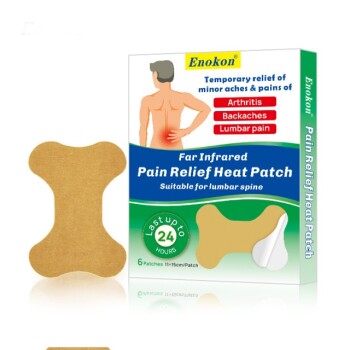
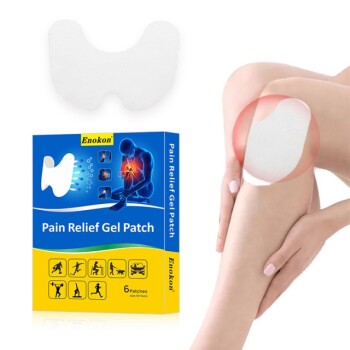
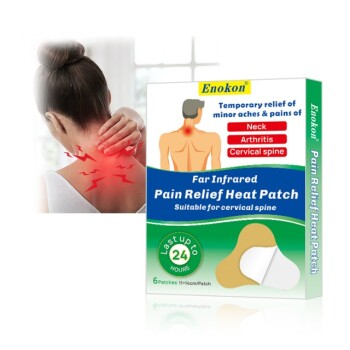
Lamellar phase liquid crystals represent a breakthrough in biomimetic transdermal delivery. These materials are ideal because their layered structure precisely mimics the lipid bilayer of the human skin's stratum corneum, significantly lowering the natural barrier resistance. This structural synergy enhances the permeability of active ingredients while providing essential hydration and emollient effects, ensuring both therapeutic efficacy and superior patient comfort.
For enterprise-scale brand owners, lamellar phase liquid crystal technology offers a scientifically superior vehicle for drug delivery that maximizes bioavailability. By integrating these materials into GMP-certified manufacturing processes, partners can deliver high-performance patches that meet both clinical standards and consumer expectations for comfort.
Biomimetic Engineering: The Core Advantage
Mimicking the Stratum Corneum
The primary strength of lamellar phase liquid crystals is their biomimetic architecture. Because they possess a layered structure identical to the human skin barrier, they integrate seamlessly with the skin's surface.
This alignment allows drug molecules to transition from the patch to the circulatory system with minimal resistance. By "tricking" the skin barrier, these materials facilitate a deeper and more efficient penetration of the active pharmaceutical ingredients (API).
Enhanced Permeability and Absorption
In applications such as lidocaine or pain-relief patches, the lamellar phase acts as a powerful penetration enhancer. It disrupts the skin’s natural immune barrier just enough to allow drug molecules to pass through without causing permanent damage.
Furthermore, these materials provide a natural emollient effect. This maintains skin hydration during the wear period, which prevents irritation and ensures the skin remains receptive to the drug throughout the entire treatment cycle.
Optimizing Formulations for High-Volume Production
Synergy with Advanced Matrix Materials
To scale production, lamellar phase LCs are often integrated with high-performance biopolymers like Polyvinyl Alcohol (PVA) or nanocellulose. These matrices provide the mechanical strength and film-forming properties required for high-speed manufacturing lines.
Nanocellulose, in particular, offers a highly developed nanonetwork that allows for sustained and slow release. This prevents the "first-pass effect" of oral administration and ensures a steady therapeutic dose is delivered over 24 hours or more.
Structural Integrity and Reliability
A successful transdermal product requires more than just an active phase; it requires a robust delivery system. Backing laminates made of polyester or polyolefins provide the necessary structural support to protect the drug reservoir from environmental factors.
When combined with medical-grade pressure-sensitive adhesives, the patch remains secure during physical activity. This reliability is critical for B2B distributors who must guarantee product performance to end-users across diverse climates and environments.
Understanding the Trade-offs and Challenges
Formulation Complexity vs. Manufacturing Cost
While lamellar phase materials offer superior performance, they require high-precision R&D and sophisticated mixing equipment. Achieving the correct viscosity and coatability is essential for ensuring uniform drug distribution across millions of units.
Partners must weigh the higher initial R&D investment against the long-term market advantage of a more effective product. For brands targeting the premium medical or wellness markets, the increased efficacy usually justifies the technical complexity.
Regulatory and Stability Constraints
Maintaining the stability of a liquid crystal structure over a long shelf life requires stringent Quality Control (QC). Any shift in the phase behavior could lead to drug leakage or inconsistent delivery rates.
Enterprises must ensure their manufacturing partner operates within GMP-certified facilities. Comprehensive global certifications are the only way to guarantee that the complex molecular structure of the patch remains intact from the factory to the pharmacy shelf.
Leveraging R&D for Enterprise Growth
Strategic Implementation for Brand Owners
Choosing a manufacturing partner with deep expertise in liquid crystal technology allows brands to move from concept to market-ready product rapidly. Custom formulations can be tailored to specific drug profiles, whether they require high lipid solubility or low molecular weight for optimal penetration.
Making the Right Choice for Your Goal
- If your primary focus is Maximum Therapeutic Efficacy: Prioritize lamellar phase LCs combined with nanocellulose carriers to achieve precise, sustained-release profiles that bypass the skin barrier.
- If your primary focus is Consumer Comfort and Compliance: Focus on the emollient properties of the liquid crystal matrix and pair them with high-biocompatibility adhesives to minimize skin irritation.
- If your primary focus is Rapid Market Scaling: Partner with a turnkey OEM/ODM provider that offers GMP-certified high-volume delivery and proven R&D prowess in complex transdermal systems.
The integration of lamellar phase liquid crystal technology into transdermal patches represents the pinnacle of modern pharmaceutical R&D, providing a reliable, scalable, and highly effective solution for global drug delivery.
Summary Table:
| Key Feature | Functional Benefit | Business Value for Brands |
|---|---|---|
| Biomimetic Structure | Mimics skin’s lipid bilayer for seamless integration. | Higher consumer trust through scientific efficacy. |
| Enhanced Permeability | Lowers barrier resistance for deeper drug penetration. | Superior clinical performance and faster relief. |
| Emollient Effect | Maintains hydration and prevents skin irritation. | Improved patient compliance and repeat purchases. |
| Controlled Release | Enables steady, long-term delivery (up to 24+ hours). | Competitive edge in the premium medical market. |
| Matrix Compatibility | Pairs with PVA or nanocellulose for structural integrity. | Reliable, high-speed manufacturing and scalability. |
Elevate Your Product Line with Enokon’s Advanced Transdermal R&D
As a trusted manufacturer and GMP-certified partner, Enokon specializes in high-performance transdermal delivery systems designed for brand owners, distributors, and B2B resellers. We offer turnkey OEM/ODM solutions and massive production capacity to help you scale rapidly in the global market.
Our expertise covers a comprehensive range of transdermal products (excluding microneedle technology), including:
- Pain Relief: Lidocaine, Menthol, Capsicum, and Far Infrared patches.
- Wellness & Care: Herbal formulations, Eye Protection, Detox, and Medical Cooling Gel patches.
- Custom Solutions: Bespoke R&D for unique formulations and biomimetic delivery systems.
Why partner with Enokon? We combine stringent quality control with reliable high-volume delivery to ensure your brand maintains a competitive edge and healthy profit margins. From custom formulation development to global certification support, we are your partner in transdermal innovation.
Contact our R&D team today to start your custom project!
References
- Paranthaman Subash, Sulekha Khute. Recent advances in lyotropic liquid crystal nanoparticle formulations for drug delivery systems. DOI: 10.3389/frsfm.2025.1658466
This article is also based on technical information from Enokon Knowledge Base .
Related Products
- Far Infrared Heat Pain Relief Patches Transdermal Patches
- Silicone Scar Sheets Patch Transdermal Drug Patch
- Mugwort Wormwood Pain Relief Patch for Neck Pain
- Menthol Gel Pain Relief Patch
- Far Infrared Pain Patch Relief Pain Reliever for Back
People Also Ask
- Why is the control of material particle size critical in the development of Far Infrared pain relief patches? Boost Efficacy
- Why is the selection of matrix materials critical when developing customized transdermal patches? Optimize Efficacy
- What are the physical impacts of external heat exposure on the performance and safety of transdermal patches? - Guide
- What are the clinical advantages of local transdermal delivery systems? Unlock Safer, More Effective Pain Relief Solutions
- What role does a skin tolerance scoring system play in the safety evaluation of transdermal patches? Key Safety Metrics