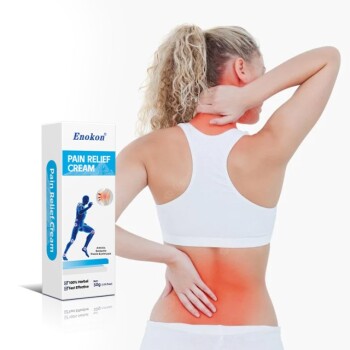
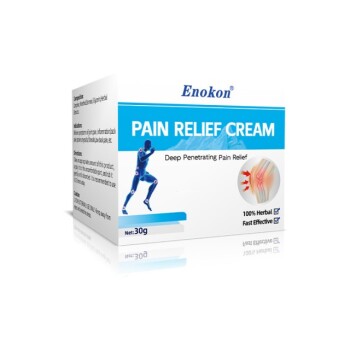
Multimodal analgesia is the strategic integration of diverse pharmaceutical mechanisms to manage pain more safely and effectively in older adults. By combining different classes of medication—such as local anesthetic patches, NSAIDs, and central modulators—manufacturers can target multiple physiological pathways simultaneously. This approach provides superior pain relief at lower individual dosages, significantly reducing the risk of side effects in a population characterized by complex health profiles and high medication sensitivity.
For B2B stakeholders, multimodal analgesia represents the shift from commodity pain relief to high-value, specialized geriatric care. Success in this sector requires a manufacturing partner capable of managing complex, synergistic formulations and diverse delivery systems under a single, high-capacity R&D framework.
The Physiological Necessity of Multimodal Systems
Addressing Complex Comorbidities
Elderly patients rarely experience pain in isolation; they often manage multiple chronic conditions that complicate drug metabolism. Single-mechanism treatments often require high dosages that the aging liver or kidneys cannot process safely. Multimodal strategies allow for "dose-splitting" across different pathways, ensuring efficacy without hitting toxic thresholds.
Synergistic Mechanism of Action
Effective geriatric pain management must address four key nodes: transduction, conduction, perception, and downward modulation. By utilizing products like local patches alongside systemic NSAIDs, our formulations intercept pain signals at different points in the nervous system. This synergy ensures that the patient experiences comprehensive relief that a single-mechanism drug simply cannot achieve.
Reducing Adverse Drug Reactions
The primary driver for this approach is the reduction of adverse drug reactions (ADRs), which are a leading cause of hospitalization in the elderly. Lowering the concentration of individual active ingredients through multimodal design preserves the safety profile of the product. This makes these formulations more attractive to healthcare providers and increases market trust in the brand.
Strategic Manufacturing and R&D Advantages
Turnkey Contract R&D and Custom Formulations
Developing a multimodal line requires deep expertise in how different active ingredients interact within a single patient regimen. Our turnkey R&D services allow brand owners to develop custom formulations that integrate various delivery formats, from topical patches to oral central regulators. We bridge the gap between clinical theory and commercial-ready products.
GMP-Certified Massive Production Capacity
High-volume B2B distribution demands a partner who can scale complex formulations without compromising quality. Our GMP-certified facilities utilize advanced automation to maintain precise dosing across every batch, ensuring consistent therapeutic effects. We provide the manufacturing backbone needed to support global product launches and sustained high-volume supply.
Stringent Quality Control for High-Volume Delivery
When managing multiple active ingredients, stringent quality control is non-negotiable to prevent cross-contamination and ensure stability. Our rigorous testing protocols verify the potency and safety of every component in the multimodal protocol. This reliability protects your brand reputation and ensures seamless delivery to wholesalers and distributors worldwide.
Understanding the Trade-offs
Formulation Complexity and Stability
Combining multiple mechanisms often requires different delivery formats, which can complicate the supply chain and storage requirements. For example, local patches have different stability profiles compared to central regulatory medications. Brand owners must account for the specialized packaging and climate-controlled logistics needed to maintain the integrity of a diverse product line.
Regulatory and Compliance Hurdles
Bringing a multimodal product line to market involves navigating complex global certification landscapes. Because these products often fall under different regulatory categories (topical vs. systemic), the documentation burden is significantly higher. Partnering with a manufacturer that holds comprehensive global certifications is essential to mitigate the risk of market entry delays.
Making the Right Choice for Your Goal
How to Apply This to Your Project
Building a competitive edge in the geriatric pain market requires a balance between clinical efficacy and manufacturing reliability. Your choice of partner should be dictated by your specific market entry strategy and volume requirements.
- If your primary focus is product differentiation: Prioritize a partner with custom formulation R&D expertise who can create unique, multi-pathway combinations that stand out from generic alternatives.
- If your primary focus is rapid market expansion: Seek a manufacturer with massive production capacity and global GMP certifications to ensure consistent supply across multiple international territories.
- If your primary focus is risk mitigation: Choose a trusted OEM/ODM partner with a proven track record of high-volume delivery and stringent quality control for well-known global brands.
By prioritizing multimodal analgesia through a sophisticated manufacturing partner, you provide a safer, more effective solution that meets the unique physiological demands of the aging population.
Summary Table:
| Key Feature | Clinical Benefit for Elderly | B2B Strategic Advantage |
|---|---|---|
| Dose-Splitting | Reduces drug toxicity and ADR risk | High-safety profile for market trust |
| Synergistic Action | Targets multiple pain pathways | Superior efficacy over generic products |
| Custom Formulations | Tailored to complex comorbidities | Unique product differentiation in R&D |
| Topical Integration | Localized relief, less systemic load | High demand for Lidocaine/Menthol patches |
Partner with Enokon for High-Performance Geriatric Pain Solutions
As the aging population grows, the demand for sophisticated, safe, and effective pain relief is soaring. Enokon is your trusted brand and manufacturer, offering turnkey contract R&D and massive production capacity to help you lead this market.
We specialize in high-volume delivery of transdermal patches—including Lidocaine, Menthol, Capsicum, Herbal, and Far Infrared formulations—as well as Eye Protection, Detox, and Medical Cooling Gel patches (excluding microneedle technology).
Why choose Enokon?
- Turnkey R&D: Custom formulations tailored to your specific multimodal strategies.
- Manufacturing Scale: GMP-certified facilities capable of consistent, high-volume production.
- Global Compliance: Stringent quality control and comprehensive certifications to ensure seamless market entry.
- B2B Support: Dedicated OEM/ODM services designed to maximize profit margins and reliability for distributors and wholesalers.
Ready to elevate your product line with advanced analgesic solutions?
Contact our R&D team today to discuss your project!
References
- Jane Wale. Exploring key topics in palliative care: pain and palliative care for older people. DOI: 10.7861/clinmedicine.14-4-416
This article is also based on technical information from Enokon Knowledge Base .
Related Products
- Menthol Gel Pain Relief Patch
- Far Infrared Heat Pain Relief Patches Transdermal Patches
- Icy Hot Menthol Medicine Pain Relief Patch
- Natural Herbal Tube Cream for Pain Relief Analgesic Cream
- Lidocaine Hydrogel Pain Relief Patch for Pain Relief
People Also Ask
- How do pain relief patches compare to other pain relief methods? Discover Targeted, Long-Lasting Relief
- How effective are pain relief patches for muscle pain? Target Localized Pain with Transdermal Delivery
- Who should consult a healthcare professional before using pain relief patches? Ensure Your Safety with Medical Advice
- How do drug loading and permeation enhancers ensure patch efficacy? Achieve Superior Clinical-Grade Pain Relief.
- Can pregnant women use pain relief patches? Your Essential Guide to Safe Pain Management