The strategic integration of Polydimethylsiloxane-g-polyacrylate (PDMS-PA) into Polyvinyl Alcohol (PVA) matrices is primarily driven by the need for superior skin adhesion. This copolymer modification enhances the wetting properties and biocompatibility of the patch, ensuring it maintains intimate contact with the skin surface. By optimizing this interface, the formulation stabilizes drug diffusion channels, preventing the performance fluctuations often associated with standard polymer matrices.
Core Takeaway: PDMS-PA acts as a performance-critical additive that solves the adhesion limitations of pure PVA. It creates a highly biocompatible, "wetting" matrix that ensures the patch remains securely attached for the duration of the drug delivery cycle without causing skin irritation or occlusion.
Enhancing Matrix Performance Through Synergistic R&D
Superior Skin Adhesion and Surface Wetting
Standard PVA matrices are excellent for film-forming but often struggle with long-term skin-to-patch contact. The addition of PDMS-PA copolymer significantly improves the matrix's ability to "wet" the skin, creating a more uniform and secure bond.
Maintaining Biocompatibility and Diffusion Integrity
Unlike traditional adhesives that can cause skin occlusion (suffocation of the skin), PDMS-PA maintains high biocompatibility. This ensures that the drug diffusion channels remain open and stable, allowing for a consistent permeation rate of active ingredients like herbal extracts or pharmaceutical compounds.
Optimizing the Skin-Patch Interface
By incorporating this copolymer, manufacturers can produce a patch that resists peeling due to movement or sweat. This reliability is essential for brand owners who require their products to perform consistently in diverse environmental conditions.
The Structural Foundation: Why PVA Remains Essential
Unmatched Film-Forming Strength
Polyvinyl Alcohol (PVA) is the industry standard for the backing and matrix layers due to its mechanical toughness. It provides the physical support necessary to protect the drug-loaded reservoir from external environmental factors and mechanical stress.
Precision Control of Active Ingredient Release
PVA’s chemical structure allows for the stable loading of particles, such as Metal-Organic Frameworks (MOFs) or botanical extracts. In a B2B manufacturing context, this allows for custom formulations where the release rate is precisely tuned to the client's therapeutic requirements.
Impermeability and Flexibility
When used in the backing layer, PVA creates an impermeable barrier that prevents drug leakage toward the non-administration side. Its inherent flexibility ensures the patch can adapt to the natural deformation of the skin during physical activity.
Understanding the Trade-offs and Manufacturing Complexity
Balancing Hydrophobicity and Solubility
While PDMS-PA improves adhesion, it introduces a hydrophobic element into a traditionally hydrophilic PVA system. Manufacturers must use precise mixing protocols to ensure the copolymer is uniformly distributed without compromising the patch's structural integrity.
Cost and R&D Requirements
Utilizing advanced copolymers like PDMS-PA increases the raw material cost and requires more sophisticated R&D validation. High-volume distributors must weigh the benefits of superior adhesion against the higher price point of these "premium" matrices.
Sensitivity to Solvent Evaporation
The addition of copolymers can alter the drying kinetics during the solvent evaporation process. If not managed in a GMP-certified facility with strict environmental controls, this can lead to "patch curling" or inconsistent thickness across a production batch.
Selecting the Right Formulation for Your Brand
How to Apply This to Your Product Line
Choosing between a standard PVA matrix and a PDMS-PA enhanced matrix depends on your target market and the specific delivery profile of your active ingredients.
- If your primary focus is Medical-Grade Reliability: Use the PDMS-PA/PVA blend to ensure maximum adhesion and stable drug delivery over 24-48 hour periods.
- If your primary focus is High-Volume Cost Efficiency: A standard PVA matrix with a secondary adhesive overlay may be more suitable for short-wear wellness patches.
- If your primary focus is Sensitive Skin Markets: Prioritize the PDMS-PA copolymer for its superior biocompatibility and reduced risk of skin irritation compared to acrylic adhesives.
The right formulation turns a simple patch into a high-performance delivery system that builds consumer trust and brand loyalty.
Summary Table:
| Component | Role in Matrix | Key Performance Benefit |
|---|---|---|
| Polyvinyl Alcohol (PVA) | Structural Foundation | Provides film-forming strength, mechanical toughness, and stable drug loading. |
| PDMS-PA Copolymer | Performance Additive | Enhances surface wetting and skin adhesion without causing irritation. |
| The Synergy | Optimized Interface | Ensures stable drug diffusion channels and consistent 24-48h wearability. |
| Manufacturing Focus | Quality Control | Requires precise mixing and GMP-certified solvent evaporation to prevent curling. |
Elevate Your Product Line with Enokon’s Advanced Formulation Expertise
Are you a brand owner, distributor, or B2B reseller seeking a competitive edge in the transdermal market? Enokon is your trusted manufacturer and R&D partner, offering high-volume production and turnkey contract solutions.
Whether you need custom formulations using advanced matrices like PVA/PDMS-PA or high-demand products like Lidocaine, Menthol, Capsicum, and Herbal pain relief patches, our GMP-certified facilities ensure stringent quality control and global compliance. From detox and medical cooling gels to innovative eye protection patches, we provide the manufacturing scale and R&D prowess to bring your vision to life (note: we focus on traditional transdermal technology and do not produce microneedles).
Ready to scale your brand with a reliable OEM/ODM partner?
Contact Enokon Today for Custom R&D & Wholesale Solutions
References
- T.S. Anirudhan, Syam S. Nair. Development of voltage gated transdermal drug delivery platform to impose synergistic enhancement in skin permeation using electroporation and gold nanoparticle. DOI: 10.1016/j.msec.2019.04.044
This article is also based on technical information from Enokon Knowledge Base .
Related Products
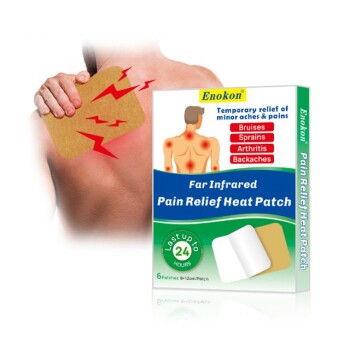
- Far Infrared Heat Pain Relief Patches Transdermal Patches
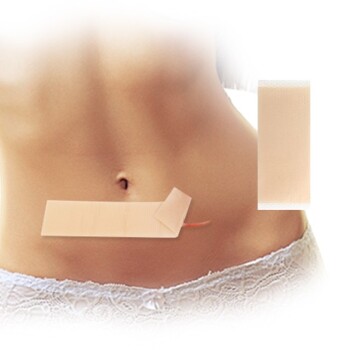
- Silicone Scar Sheets Patch Transdermal Drug Patch
- Icy Hot Menthol Medicine Pain Relief Patch
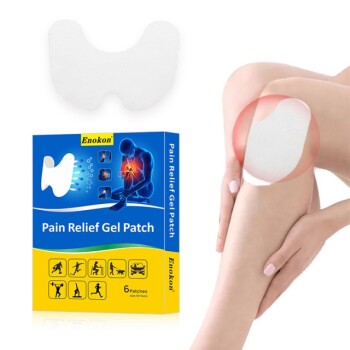
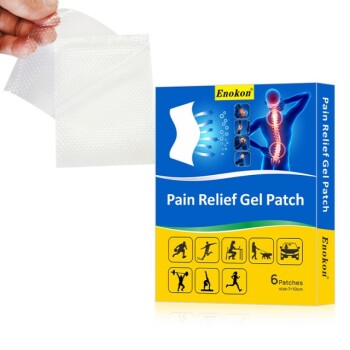
- Menthol Gel Pain Relief Patch
- Mugwort Wormwood Pain Relief Patch for Neck Pain
People Also Ask
- Why is the control of material particle size critical in the development of Far Infrared pain relief patches? Boost Efficacy
- Why is the selection of matrix materials critical when developing customized transdermal patches? Optimize Efficacy
- What are the physical impacts of external heat exposure on the performance and safety of transdermal patches? - Guide
- What are the clinical advantages of local transdermal delivery systems? Unlock Safer, More Effective Pain Relief Solutions
- What role does a skin tolerance scoring system play in the safety evaluation of transdermal patches? Key Safety Metrics