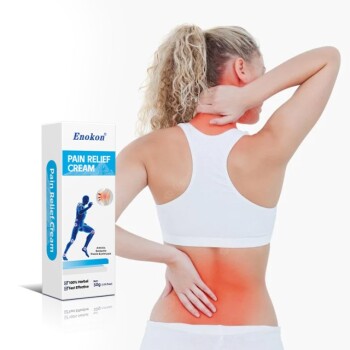
The vehicle of a topical analgesic is the primary determinant of its clinical performance. Choosing the correct base matrix is critical because it controls the release kinetics of the active pharmaceutical ingredient (API), determines the depth of skin penetration, and ensures local tissue tolerance. Without a precisely engineered vehicle, even the most potent analgesic will fail to reach the target pain site at a therapeutic concentration.
The selection of a base matrix is a high-stakes R&D decision where the vehicle must be meticulously matched to the API and the specific anatomical site of treatment. This alignment ensures the product is not only efficacious but also safe for high-volume commercial distribution.
The Science of API Release and Delivery
Controlling Release Kinetics
The base matrix acts as a reservoir that dictates how quickly or slowly drug molecules are released into the skin. Release kinetics must be calibrated so the API is delivered at a consistent rate that maintains therapeutic levels without causing a localized overdose. Enterprise-level R&D ensures that the vehicle’s chemical properties—such as pH and polarity—are optimized to "push" the API out of the matrix and into the tissue.
Optimizing Penetration Depth
Analgesic needs vary significantly depending on whether the pain is superficial (like a minor burn) or deep-tissue (like joint inflammation). The vehicle must be engineered to overcome the skin's natural barrier, the stratum corneum, to reach the intended depth. A failure in vehicle selection often results in a product that sits on the surface of the skin, leading to poor patient outcomes and diminished brand reputation.
Ensuring Local Tissue Tolerance
A high-performance topical must deliver results without causing irritation, redness, or allergic reactions. Tissue tolerance is a critical safety metric; the base matrix must be biocompatible with the specific area of application. Advanced formulation labs prioritize dermatological safety to ensure the product meets stringent global regulatory standards for consumer safety.
Matching Formulation to Pathophysiology
Anatomical Site Considerations
The skin’s thickness and permeability vary across the body, meaning a vehicle designed for the back may be too aggressive for the face or joints. Precise anatomical matching ensures that the delivery system accounts for these physiological differences to maximize absorption. For B2B partners, this level of customization is what separates a generic "off-the-shelf" product from a premium, clinically validated solution.
Addressing Specific Conditions
The vehicle must also respond to the pathophysiological features of the condition being treated, such as inflammation or nerve sensitivity. Certain matrices can provide secondary benefits, such as cooling or moisturizing, which complement the primary analgesic effect. This holistic approach to formulation is essential for creating products that resonate with both healthcare providers and end-users.
Understanding the Trade-offs and Pitfalls
Stability vs. Efficacy
One of the most common challenges in manufacturing is balancing the chemical stability of the matrix with its delivery efficiency. A vehicle that is too stable may "trap" the API, while one that is too volatile may degrade before the product reaches the consumer. Professional contract manufacturers use accelerated stability testing to ensure the product remains effective throughout its entire shelf life.
Scalability and Production Consistency
A formulation that works in a small lab environment may fail when moved to massive production volumes. Maintaining the precise viscosity and homogeneity of a complex base matrix requires sophisticated, GMP-certified equipment and rigorous quality control. Distributors must ensure their manufacturing partner has the infrastructure to deliver consistent batches at scale without compromising the matrix's integrity.
Leveraging Expert R&D for Market Success
Choosing a partner with deep technical expertise and large-scale manufacturing capacity is the most effective way to navigate the complexities of vehicle selection.
- If your primary focus is clinical superiority: Prioritize custom R&D that matches the vehicle’s penetration profile to the specific depth of the targeted pain.
- If your primary focus is rapid market entry: Seek a partner with pre-validated, GMP-certified base matrices that have proven tissue tolerance and stability records.
- If your primary focus is brand expansion: Utilize turnkey OEM/ODM services that can adapt a single API into multiple specialized vehicles for different anatomical applications.
The integrity of your topical analgesic begins and ends with the vehicle, making precision formulation the ultimate safeguard for your brand’s efficacy and reputation.
Summary Table:
| Critical Factor | Role in Performance | B2B Strategic Benefit |
|---|---|---|
| Release Kinetics | Controls the rate and consistency of API delivery. | Ensures clinical efficacy and patient safety. |
| Penetration Depth | Overcomes the skin barrier to reach target tissues. | Differentiates premium products from generic options. |
| Tissue Tolerance | Prevents irritation and ensures biocompatibility. | Minimizes regulatory risk and consumer complaints. |
| Stability & Scale | Maintains matrix integrity during mass production. | Guarantees consistent quality for high-volume orders. |
Elevate Your Brand with Precision-Engineered Topical Solutions
At Enokon, we understand that the integrity of your analgesic product relies on the science of its delivery. As a trusted manufacturer and R&D partner, we specialize in high-performance wholesale transdermal patches and custom formulation services tailored for brand owners, distributors, and B2B resellers.
Why Partner with Enokon?
- Turnkey R&D: Custom vehicle optimization to ensure maximum API penetration and clinical superiority.
- Massive Capacity: GMP-certified facilities capable of reliable, high-volume delivery to meet global demand.
- Comprehensive Product Range: Expertise in Lidocaine, Menthol, Capsicum, Herbal, and Medical Cooling Gel patches (excluding microneedle technology).
- B2B Focused: We prioritize your profit margins with robust OEM/ODM support and stringent quality control.
Ready to develop a market-leading analgesic? Contact our expert team today to discuss your custom formulation needs!
References
- Durval Campos Kraychete, Anita Perpétua Carvalho Rocha de Castro. Topic drug therapy for neuropathic pain. DOI: 10.5935/1806-0013.20160058
This article is also based on technical information from Enokon Knowledge Base .
Related Products
- Natural Herbal Tube Cream for Pain Relief Analgesic Cream
- Capsaicin Chili Medicated Pain Relief Patches
- Herbal Pain Relief Cream Pain Relieving Creams
- Icy Hot Menthol Medicine Pain Relief Patch
- Menthol Gel Pain Relief Patch
People Also Ask
- What safety precautions should be followed when using topical pain relievers? Essential Guidelines for Safe Pain Relief
- What factors determine the effectiveness of a topical pain reliever? Match the Active Ingredient to Your Pain
- What are the application instructions for this topical cream? Follow These Steps for Safe & Effective Use
- How do pH-responsive polymers function within controlled-release topical formulations? Advanced R&D for Smart Delivery
- How is a plantar analgesia meter used to evaluate transdermal drug efficacy? Quantify Pain Relief with Precision