
Yes, you can wear a testosterone patch during sexual activity. The primary concern is not the patch itself, but the potential for the hormone to transfer from your skin to your partner's through direct contact. This is known as transference, and it's a critical safety consideration for anyone using topical testosterone.
The key to safety is not removing the patch, but preventing your partner's skin from making direct contact with the medication's application site. Understanding and mitigating this risk is essential for protecting your partner's health.
Understanding the Core Risk: Transference
The central issue with any topical hormone therapy, including patches, is the risk of accidental exposure to others. This happens when the medication transfers from your skin to someone else's.
What is Testosterone Transference?
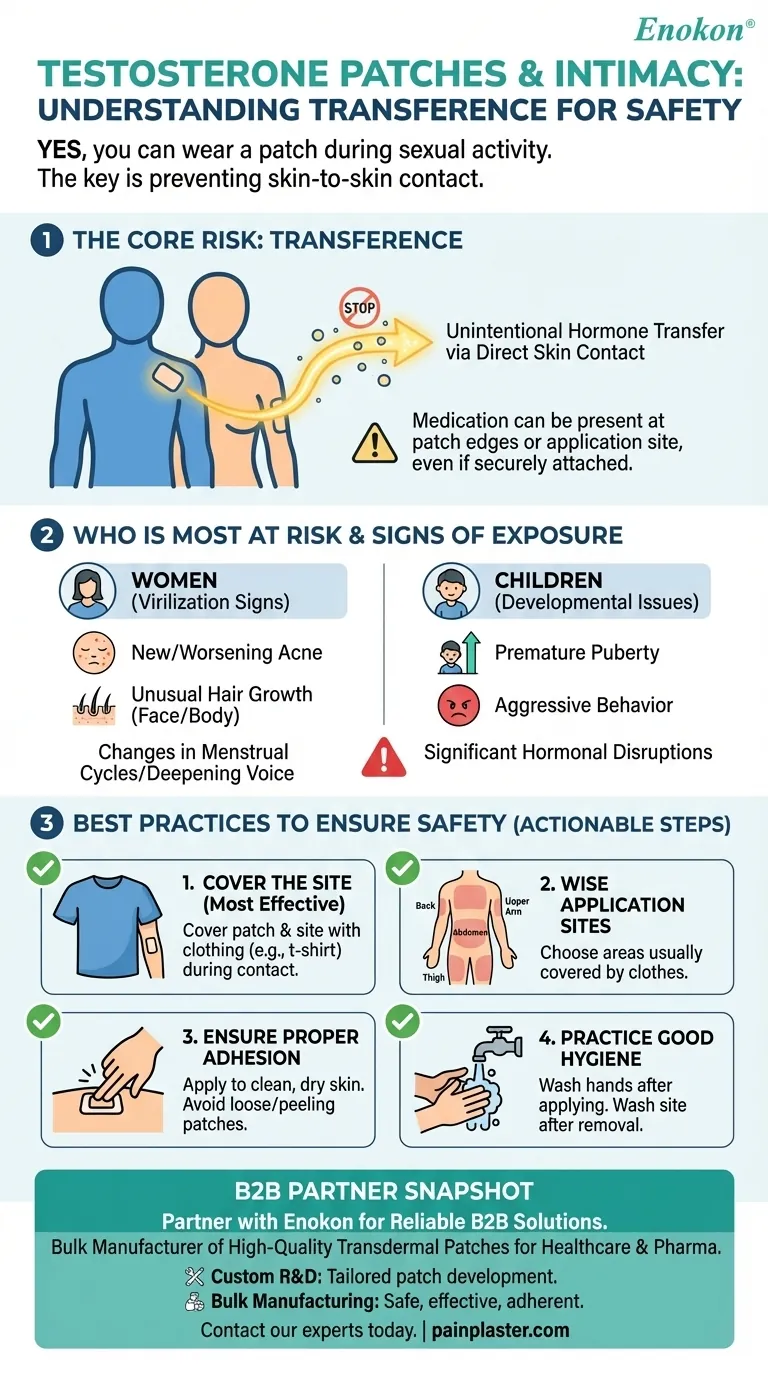
Transference is the unintentional transfer of testosterone to another person through skin-to-skin contact. Even if the patch is securely attached, some medication may be present on the skin at the edges of the patch or at the application site itself.
When this happens, the other person can absorb the hormone into their system, which can lead to unintended and potentially harmful side effects.
Who is Most at Risk?
Women and children are particularly sensitive to the effects of testosterone.
Accidental exposure can cause significant hormonal disruptions for them, making prevention a top priority for anyone on this form of therapy.
Recognizing the Signs of Accidental Exposure
It is crucial to be aware of the symptoms of transference so you and your partner can act quickly if they appear.
For Female Partners
If a female partner is accidentally exposed to testosterone, she may develop signs of virilization (the development of male characteristics).
According to medical guidance, you should watch for symptoms such as:
- The development of new or worsening acne.
- The growth of new hair on the face or body (hirsutism).
- Changes in menstrual cycles.
- Deepening of the voice.
If any of these signs appear, you must contact a doctor immediately for evaluation.
For Children
Accidental exposure in children is particularly dangerous and can lead to premature puberty, aggressive behavior, and other developmental issues. Be vigilant to ensure children do not come into contact with the patch or the application site.
Best Practices to Ensure Safety
You can effectively eliminate the risk of transference by following a few straightforward safety protocols. These are not just suggestions; they are essential for responsible treatment.
Cover the Application Site
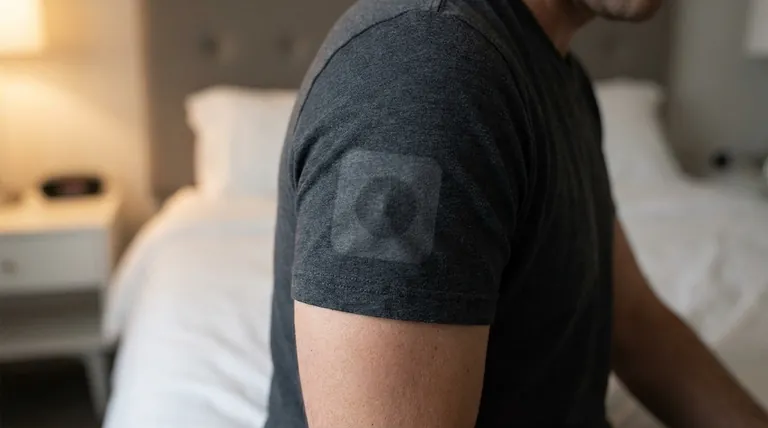
The single most effective way to prevent transference during sexual activity, or any close contact, is to cover the patch and surrounding skin with clothing. A simple t-shirt is often sufficient.
Choose Application Sites Wisely
Apply the patch to an area of the body that is less likely to make incidental contact with others. Common recommended sites like the back, abdomen, upper arm, or thigh are often covered by clothing, adding a layer of protection.
Ensure Proper Adhesion
Make sure the patch is applied to clean, dry skin and is adhering firmly. A loose or peeling patch increases the risk of the medication spreading to the surrounding skin or other surfaces.
Practice Good Hygiene
Always wash your hands thoroughly with soap and water after applying a patch. If you remove the patch, wash the application site to remove any residual medication.
Making the Right Choice for Your Health
Managing your therapy is about balancing its benefits with the responsibility of keeping those around you safe.
- If your primary focus is safety: Always ensure the application site is covered by clothing during any form of close physical contact, including intimacy.
- If your partner develops new acne or unusual hair growth: This is a potential sign of transference, and you should contact a doctor immediately to discuss the situation.
- If you have children in your home: Be extra vigilant about application sites and hand washing to prevent any possibility of accidental exposure.
By understanding how transference works, you can confidently continue your treatment while ensuring the well-being of your loved ones.
Summary Table:
| Safety Consideration | Key Action |
|---|---|
| Primary Risk | Hormone transference from your skin to your partner's skin. |
| Main Safety Measure | Cover the patch and application site with clothing during contact. |
| At-Risk Individuals | Women and children are highly sensitive to testosterone exposure. |
| Signs of Exposure | For partners: new acne, unusual hair growth, voice changes. |
Need a reliable, high-quality testosterone patch?
As a bulk manufacturer of reliable transdermal patches for healthcare and pharmaceutical distributors, Enokon provides the quality and consistency you need. Our technical expertise ensures your products meet the highest safety standards.
Partner with us for:
- Custom R&D to develop patches tailored to your specific requirements.
- Bulk manufacturing of safe, effective, and adherent hormone patches.
Let's discuss your project. Contact our experts today to learn how we can support your brand's success.
Visual Guide
Related Products
- Prostate Pain Kidney Health Care Patch for Men
- Detox Foot Patches for Detoxification
- Cooling Fever Patches Color Change Cold Fever Patch
- Menthol Gel Pain Relief Patch
- Lidocaine Hydrogel Pain Relief Patch for Pain Relief
People Also Ask
- What are the key components of Chinese herbal pain patches? Discover the Science Behind Natural Pain Relief
- What should be avoided when using Chinese pain patches? Key Safety Tips for Effective Relief
- What additional practices can enhance the effectiveness of Chinese pain patches? Boost Relief with Holistic Strategies
- How can Chinese pain patches help with back pain? Natural Relief & Healing Benefits
- Are there any side effects associated with Chinese pain patches? Risks & Safety Tips






