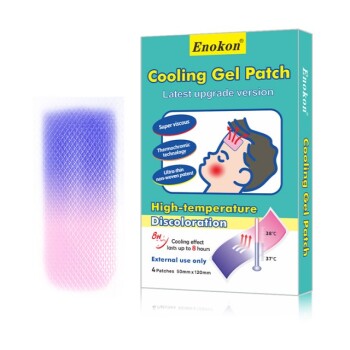
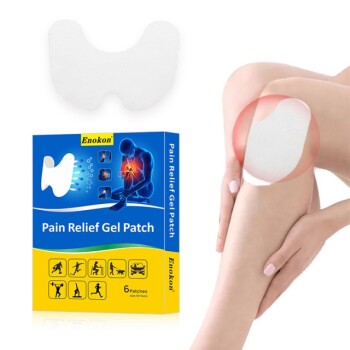
Process improvements in transdermal drug delivery systems (TDDS) directly mitigate skin reactions by optimizing the chemical and physical interface between the patch and the skin. Through advanced R&D and precision manufacturing, companies can engineer patches that utilize biocompatible, low-allergen adhesives and high-purity polymer matrices. These innovations ensure stable drug release while maximizing skin breathability and minimizing mechanical or chemical irritation, such as erythema or itching.
Strategic improvements in adhesive biocompatibility and breathable matrix design are essential for reducing localized skin reactions. By integrating advanced materials science with rigorous GMP-certified manufacturing, brand owners can deliver safer, more reliable transdermal solutions that enhance patient adherence and long-term market success.
Advanced Material Science in Patch Manufacturing
Biocompatible Pressure-Sensitive Adhesives (PSAs)
The selection of medical-grade, low-allergen adhesives is the first line of defense against contact dermatitis. Industrial-scale manufacturing now allows for the integration of bio-inert materials that maintain strong adhesion without triggering immune responses. These adhesives are designed to be removed with minimal mechanical trauma to the stratum corneum.
High-Purity Polymer Matrices
Utilizing high-purity polymer matrices ensures that the drug reservoir is free from residual solvents or monomers that often cause chemical irritation. Our R&D processes focus on creating a stable environment for the active ingredient, preventing degradation that could lead to unpredictable skin reactions. This level of purity is critical for maintaining a "clean" delivery profile over multi-day applications.
Breathability and Moisture Management
Modern process improvements allow for the optimization of gas and moisture vapor transmission rates (MVTR). By balancing adhesive strength with breathability, manufacturers prevent moisture buildup under the patch. This reduces the risk of skin maceration, a common precursor to infection and severe irritation during long-term attachment.
Precision Engineering for Therapeutic Stability
Micro-Reservoir Formation and Controlled Flux
Advanced manufacturing techniques enable the creation of a micro-reservoir within the skin’s deeper layers. This allows for a gradual, non-invasive absorption process that avoids the sharp spikes in drug concentration often associated with systemic side effects. Precisely controlling the amount of drug entering the bloodstream per unit of time minimizes both local and systemic toxicity.
Penetration Enhancement Technologies
The skin acts as a natural physical barrier, creating diffusion resistance that can lead to localized drug accumulation if not managed. We employ specialized penetration enhancers and carriers that reduce this resistance without damaging the skin's integrity. This ensures the active ingredients bypass the liver's initial degradation, improving bioavailability while using a lower total drug dosage.
Elimination of Plasma Concentration Peaks
By utilizing a constant diffusion mechanism, transdermal patches avoid the "peaks and troughs" of blood concentration found in oral medications. This stability is not just a therapeutic benefit; it reduces the physiological stress on the application site. Consistent drug flux prevents the localized "overdose" effect that can trigger inflammatory responses in the dermis.
Understanding the Trade-offs
Adhesion vs. Skin Integrity
A primary challenge in TDDS manufacturing is balancing peel strength with skin safety. While high adhesion ensures the patch remains in place for 72 hours or more, it increases the risk of mechanical injury upon removal. Manufacturers must carefully calibrate adhesive formulations to ensure they remain secure during movement but release cleanly without stripping skin cells.
Breathability vs. Environmental Protection
Increasing the breathability of a patch can sometimes make the internal drug matrix more susceptible to environmental factors like humidity or external moisture. Process engineers must find the "sweet spot" where the patch allows the skin to breathe while maintaining a hermetic-like seal that protects the stability of the active pharmaceutical ingredient (API).
Implementing Quality-Driven Solutions
Standardized Site Management and Education
For brand owners and distributors, the product is only as good as its application. We support partners by developing standardized application protocols, such as daily site rotation schedules (e.g., alternating between the chest, arms, and back). These clinical strategies, combined with the use of moisturizers after patch removal, are essential for maintaining skin integrity across high-volume patient populations.
Scaling Through GMP-Certified Manufacturing
Reliable delivery at scale requires GMP-certified facilities with stringent quality control. Every batch must undergo rigorous testing to ensure adhesive consistency and drug release profiles. This enterprise-level precision ensures that every patch, whether for a local brand or a global distributor, meets the same high safety standards.
Making the Right Choice for Your Goal
- If your primary focus is patient compliance and safety: Prioritize R&D partners who offer high-purity polymer matrices and low-allergen medical adhesives to minimize irritation.
- If your primary focus is therapeutic efficacy and bioavailability: Select a manufacturer capable of engineering precise micro-reservoirs and penetration enhancement technologies to ensure stable drug flux.
- If your primary focus is brand reputation and market scale: Partner with an OEM/ODM provider that utilizes GMP-certified facilities and massive production capacity to ensure consistent quality across every unit.
Through the synthesis of advanced materials science and high-capacity manufacturing, process improvements transform transdermal systems into a highly tolerable and efficient delivery route for global healthcare markets.
Summary Table:
| Process Improvement | Key Technical Feature | Patient/Skin Benefit |
|---|---|---|
| Adhesive Selection | Medical-grade, low-allergen PSAs | Prevents contact dermatitis and mechanical trauma |
| Matrix Purity | High-purity polymer matrices | Eliminates residual solvents and chemical irritation |
| Moisture Management | Optimized MVTR (Breathability) | Prevents skin maceration and localized infection |
| Flux Control | Constant diffusion mechanism | Avoids drug concentration spikes and inflammatory stress |
| R&D Innovation | Micro-reservoir formation | Ensures non-invasive absorption and high bioavailability |
Partner with Enokon for High-Performance, Low-Irritation Transdermal Solutions
Are you looking to scale your brand with patches that prioritize patient safety and therapeutic efficacy? Enokon is a trusted manufacturer and global partner offering comprehensive wholesale and turnkey contract R&D solutions for transdermal drug delivery.
Why Choose Enokon?
- Extensive Product Range: We produce high-quality Lidocaine, Menthol, Capsicum, Herbal, and Far Infrared pain relief patches, alongside Eye Protection and Medical Cooling Gel patches (Note: We do not produce microneedle technology).
- Enterprise-Scale Manufacturing: Our GMP-certified facilities offer massive production capacity and stringent quality control to ensure reliable, high-volume delivery.
- Custom Formulations: Benefit from our advanced R&D prowess to create biocompatible, low-allergen products that reduce skin reactions and enhance brand reputation.
Whether you are a brand owner, distributor, or B2B reseller, we provide the manufacturing excellence and global certifications you need to succeed.
Contact Enokon Today to Discuss Your Custom Project
References
- Kengo Ueda, Yu Nakamura. Efficacy, Safety, and Tolerability of Switching from Oral Cholinesterase Inhibitors to Rivastigmine Transdermal Patch with 1-Step Titration in Patients with Mild to Moderate Alzheimer’s Disease: A 24-Week, Open-Label, Multicenter Study in Japan. DOI: 10.1159/000501364
This article is also based on technical information from Enokon Knowledge Base .
Related Products
- Silicone Scar Sheets Patch Transdermal Drug Patch
- Cooling Fever Patches Color Change Cold Fever Patch
- Far Infrared Heat Pain Relief Patches Transdermal Patches
- Icy Hot Menthol Medicine Pain Relief Patch
- Menthol Gel Pain Relief Patch
People Also Ask
- What is the function of PDMS-NH2 in silicone patches? Catalyzing Room-Temp Curing for Heat-Sensitive APIs
- What role does a silicone-based transdermal delivery system play in Parkinson's? Enhancing Early-Stage Patient Care
- Why is TEOS used as a cross-linking agent in silicone transdermal patches? Ensure Structural Integrity & Drug Stability
- How do PEG 200 and Glycerol modify silicone transdermal patches? Optimize Drug Release and Patch Flexibility
- How is the long-term skin tolerance of silicone-based transdermal patches evaluated in clinical settings? R&D and Safety