Aminopropyl-terminated polydimethylsiloxane (PDMS-NH2) functions as a high-efficiency catalyst that lowers the activation energy required for the siloxane cross-linking reaction. In the production of advanced transdermal patches, it enables room-temperature curing, which is vital for protecting the molecular integrity of heat-sensitive active pharmaceutical ingredients (APIs).
Core Takeaway: PDMS-NH2 is the technological enabler for cold-process manufacturing, allowing brands to incorporate delicate drugs into silicone matrices without the risk of thermal degradation, ensuring both product stability and long-term therapeutic efficacy.
Catalytic Efficiency in Large-Scale Production
Reducing Activation Energy for Rapid Curing
PDMS-NH2 acts as a specialized chemical trigger that facilitates the bonding between polymer chains. By reducing the energy barrier for cross-linking, it allows for a faster transition from a liquid formulation to a solid elastomer network.
For B2B partners, this efficiency translates to higher throughput in GMP-certified facilities. Faster curing times without the need for high-heat ovens optimize the manufacturing cycle and reduce energy overhead.
Enabling Room-Temperature Processing
Standard silicone curing often requires elevated temperatures that can compromise the potency of the drug load. PDMS-NH2 allows the synthesis to occur at ambient temperatures, maintaining a stable environment for the entire formulation.
This capability is essential for "cold-chain" compatible manufacturing. It ensures that the final transdermal patch meets the strict quality control standards required for international distribution.
Preserving API Integrity and Product Stability
Protection of Heat-Sensitive Compounds
Many modern therapeutic agents, such as Furazolidone, are highly sensitive to thermal exposure. Using PDMS-NH2 as a catalyst ensures these APIs remain chemically "quiet" and effective during the curing process.
This technical advantage allows brand owners to expand their product portfolios. You can offer high-performance patches for a broader range of medical conditions that were previously restricted by manufacturing temperature limits.
Optimizing the Drug Reservoir Performance
In a transdermal system, the silicone matrix serves as a drug reservoir designed for a 24-hour release cycle. PDMS-NH2 ensures that the cross-linking is uniform, creating a consistent polymer structure.
A uniform matrix prevents drug level fluctuations once the patch is applied. This reliability is a cornerstone for OEM/ODM partners who must guarantee steady-state plasma concentrations for their end consumers.
Synergistic Roles in Patch Architecture
Interaction with PDMS-OH Base Polymers
While PDMS-NH2 provides the catalytic spark, Hydroxyl-terminated polydimethylsiloxane (PDMS-OH) forms the fundamental backbone of the patch. The interaction between these two components determines the final biocompatibility and flexibility.
This synergy is what creates the "second skin" feel that premium brands demand. The resulting elastomer is hydrophobic and durable, yet gentle enough for long-term wear on sensitive skin.
Integration with Adsorption Carriers
To extend drug release, formulations often include high-surface-area silica as an adsorption carrier. The PDMS-NH2 catalyzed matrix must effectively "anchor" these silica particles to ensure a steady diffusion rate.
When these components are balanced correctly, the patch can absorb site secretions while delivering medication. This dual-action performance is a key selling point for wholesale distributors targeting the clinical market.
Understanding the Trade-offs
Precision in Catalyst Concentration
While PDMS-NH2 is highly effective, its concentration must be managed with extreme precision. Excess catalyst can lead to an overly brittle matrix, while insufficient amounts may result in a "tacky" patch that leaves residue on the skin.
Compatibility with Release Liners
The highly reactive nature of the catalyzed silicone requires specific Siliconized PET films during the drying process. If the release liner is not perfectly matched to the PDMS-NH2 formulation, the patch may fail to peel cleanly, compromising the uniformity of the dose.
Strategic Implementation for Your Product Line
Making the Right Choice for Your Goal
- If your primary focus is Heat-Sensitive APIs: Utilize PDMS-NH2 to implement a room-temperature curing protocol that guarantees the chemical potency of your most delicate formulations.
- If your primary focus is High-Volume Manufacturing: Leverage the rapid catalytic properties of PDMS-NH2 to increase line speed and reduce the carbon footprint of your production cycle.
- If your primary focus is Premium Brand Positioning: Focus on the uniform cross-linking provided by PDMS-NH2 to deliver a consistent, 24-hour drug release profile that builds patient trust.
Integrating PDMS-NH2 into your silicone formulations provides the technical foundation for a stable, high-performance transdermal product capable of meeting the world's most stringent medical standards.
Summary Table:
| Feature | Role of PDMS-NH2 | Benefit for Manufacturers |
|---|---|---|
| Curing Process | Lowers activation energy | Enables energy-efficient room-temp curing |
| API Protection | Prevents thermal degradation | Maintains potency of heat-sensitive drugs |
| Matrix Quality | Ensures uniform cross-linking | Guarantees consistent 24-hour drug release |
| Production Speed | Accelerates polymer bonding | Increases throughput in GMP facilities |
Elevate Your Product Line with Enokon’s Manufacturing Expertise
Are you looking to develop stable, high-performance transdermal products? Enokon is a trusted manufacturer and R&D partner specializing in turnkey solutions for brand owners, wholesalers, and B2B resellers.
By leveraging advanced chemistry like PDMS-NH2 catalyzed matrices, we provide massive production capacity and GMP-certified quality for a wide range of products, including:
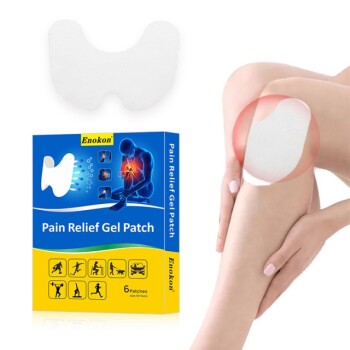
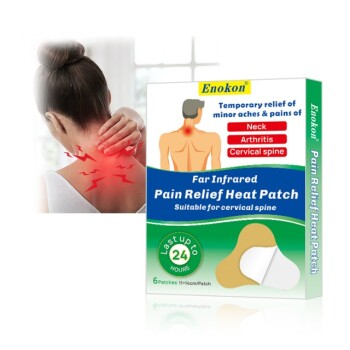
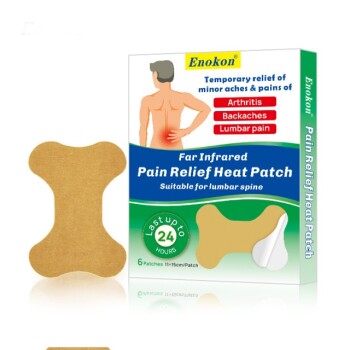
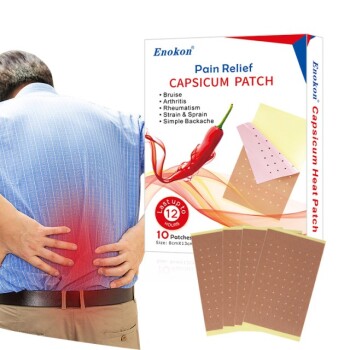
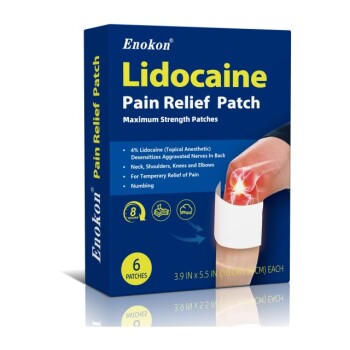
- Pain Relief: Lidocaine, Menthol, Capsicum, and Herbal patches.
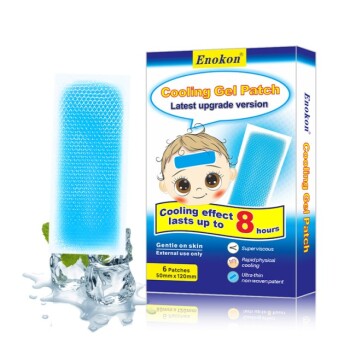
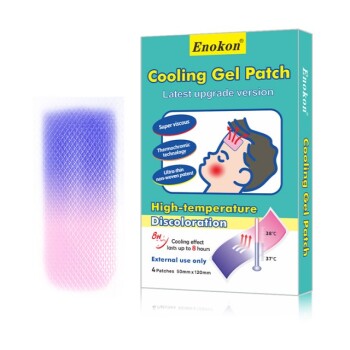
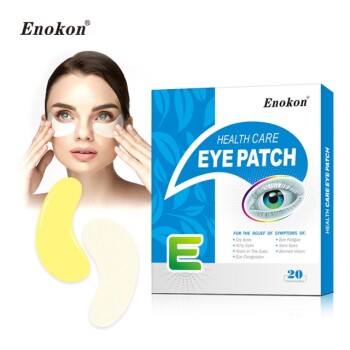
- Specialty Care: Eye Protection, Detox, and Medical Cooling Gel patches.
- Custom R&D: Bespoke formulations tailored to your specific API requirements (excluding microneedle technology).
From stringent quality control to reliable high-volume delivery, Enokon is your partner for global market success.
Ready to scale your brand? Contact our expert team today to discuss your custom formulation!
References
- M. L. Atabekyan. Effect of hydrophilizing additives on the desorption of furazolidone and diclofennac from silicone-based composites. DOI: 10.54503/0515-9628-2022.75.3-333
This article is also based on technical information from Enokon Knowledge Base .
Related Products
- Silicone Scar Sheets Patch Transdermal Drug Patch
- Far Infrared Heat Pain Relief Patches Transdermal Patches
- Icy Hot Menthol Medicine Pain Relief Patch
- Menthol Gel Pain Relief Patch
- Mugwort Wormwood Pain Relief Patch for Neck Pain
People Also Ask
- What role does a silicone-based transdermal delivery system play in Parkinson's? Enhancing Early-Stage Patient Care
- Why is TEOS used as a cross-linking agent in silicone transdermal patches? Ensure Structural Integrity & Drug Stability
- How do PEG 200 and Glycerol modify silicone transdermal patches? Optimize Drug Release and Patch Flexibility
- How is the long-term skin tolerance of silicone-based transdermal patches evaluated in clinical settings? R&D and Safety
- Why is a polarizing microscope used to evaluate the long-term stability of transdermal drug patches? Ensure Efficacy.