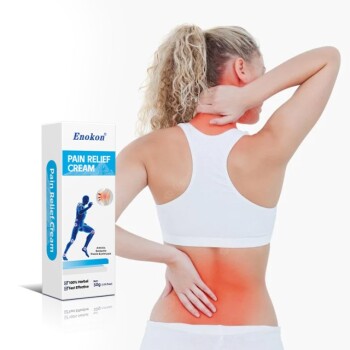
High-performance transdermal pain relief patches provide a continuous, controlled release of medication that establishes a stable analgesic background. By delivering active ingredients directly through the skin to the site of inflammation, these patches maintain therapeutic efficacy while keeping systemic blood concentrations significantly lower than oral alternatives, effectively reducing the patient's reliance on on-demand Non-Steroidal Anti-Inflammatory Drugs (NSAIDs).
High-performance transdermal patches leverage advanced delivery technology to bypass gastrointestinal metabolism, offering a localized treatment path that minimizes the clinical risks of traditional oral NSAIDs. For B2B partners, this represents a shift toward higher-safety pain management solutions that drive patient compliance and market differentiation.
Optimizing Analgesia via Controlled Release
Establishing a Stable Analgesic Background
High-performance patches are engineered to provide a steady state of medication over a 12 to 24-hour period. This consistency eliminates the "peak and valley" drug concentrations associated with oral pills, which often lead to breakthrough pain and subsequent over-consumption of NSAIDs.
By maintaining a baseline level of relief, these patches reduce the physiological trigger for "on-demand" oral dosing. This transition to a preventative rather than reactive pain strategy is the cornerstone of modern multimodal analgesia.
Local Enhanced Tissue Delivery (LETD)
Utilizing Local Enhanced Tissue Delivery (LETD), advanced formulations allow drugs like flurbiprofen to penetrate deep skin layers and reach the underlying tissue directly. This targeted approach ensures that the medication reaches the site of inflammation at effective concentrations without needing to saturate the entire bloodstream.
Research indicates that transdermal delivery can maintain systemic blood drug concentrations as low as 0.2% to 8% of the equivalent oral dose. This precision allows for potent localized relief while sparing the rest of the body from unnecessary chemical exposure.
Mitigating Systemic Clinical Risks
Bypassing the Gastrointestinal Tract and Liver
One of the primary drivers for reducing oral NSAID consumption is the avoidance of gastrointestinal (GI) damage. Transdermal patches bypass the stomach entirely, preventing the destruction of gastric enzymes and the direct irritation caused by oral administration.
Furthermore, these systems avoid first-pass metabolism in the liver. By entering the bloodstream or local tissue directly, the bioavailability of the drug is improved, requiring a lower total dose to achieve the desired therapeutic effect.
Reducing Renal and Cardiovascular Complications
Long-term oral NSAID use is closely linked to renal impairment and cardiovascular stress. By shifting the delivery mechanism to a localized transdermal route, the systemic burden is drastically reduced.
For elderly patients or those with multiple comorbidities, this safety profile is a critical differentiator. It allows for long-term chronic pain management—such as for knee or lower back issues—without the cumulative toxicity of systemic drug accumulation.
The Advantage of Industrial-Grade Manufacturing
Precision Engineering of Adhesives and Backing
High-performance patches are not merely "stickers"; they are complex drug-delivery devices. They utilize precisely engineered pressure-sensitive adhesives and backing layers that manage the rate of drug penetration through the skin barrier.
Unlike traditional ointments, which are prone to uneven application and drug loss from clothing friction, industrial patches ensure a consistent dosage. This reliability is essential for brand owners who require clinical-grade efficacy to maintain market trust.
R&D Prowess and Turnkey Production
Leading OEM/ODM partners provide turnkey contract R&D and custom formulations to meet specific therapeutic needs. Massive production capacity and GMP-certified facilities ensure that high-volume delivery meets stringent quality control standards.
For distributors and wholesalers, partnering with a manufacturer that possesses comprehensive global certifications is vital. This infrastructure supports the development of specialized patches that can compete with, or supplement, established oral NSAID brands.
Understanding the Trade-offs
Technical Limitations and Skin Sensitivity
While transdermal patches significantly reduce systemic risk, they are not without challenges. The skin barrier is a formidable defense, and only certain molecules have the right size and lipophilicity to be effectively delivered via a patch.
Additionally, some patients may experience localized skin irritation due to the adhesive or the active ingredient itself. Managing the balance between strong adhesion for 24-hour wear and skin-friendly breathability requires sophisticated R&D and high-quality raw materials.
Making the Right Choice for Your Goal
How to Apply This to Your Portfolio
Strategic adoption of transdermal technology depends on your specific market objectives and the patient populations you serve.
- If your primary focus is patient safety for the elderly: Prioritize patches with the lowest systemic absorption rates to minimize the risk of GI and renal complications.
- If your primary focus is market differentiation for sports medicine: Look for high-performance LETD formulations that offer rapid, localized relief for acute inflammation and joint pain.
- If your primary focus is brand reliability and scale: Partner with a GMP-certified manufacturer capable of providing custom R&D and high-volume, consistent delivery.
High-performance transdermal patches represent the future of pain management by providing a safer, more targeted alternative to traditional systemic NSAID therapy.
Summary Table:
| Feature | Oral NSAIDs | High-Performance Transdermal Patches |
|---|---|---|
| Delivery Route | Systemic (Bloodstream) | Localized (Direct to tissue) |
| Release Mechanism | Immediate peaks and valleys | Continuous, controlled 12-24h release |
| Bioavailability | High systemic exposure | 0.2% - 8% of equivalent oral dose |
| Gastrointestinal Risk | High (Potential for ulcers/bleeding) | None (Bypasses the GI tract) |
| Metabolism | First-pass hepatic metabolism | Bypasses liver metabolism |
| User Compliance | Requires frequent dosing | Single daily application |
Elevate Your Brand with Enokon’s Advanced Transdermal Solutions
Partner with Enokon, a trusted manufacturer and global leader in high-performance transdermal technology. We empower brand owners, distributors, and wholesalers with massive production capacity and world-class R&D prowess to deliver safer, more effective pain management alternatives.
Why Choose Enokon?
- Turnkey OEM/ODM Services: From custom formulations to high-volume delivery, we provide end-to-end contract R&D solutions tailored to your market.
- Certified Excellence: Our GMP-certified facilities and comprehensive global certifications ensure the highest standards of safety and quality control.
- Diverse Product Portfolio: We specialize in a wide range of transdermal products (excluding microneedle technology), including Lidocaine, Menthol, Capsicum, Herbal, and Far Infrared pain relief patches, alongside Eye Protection and Medical Cooling Gel patches.
- Market Reliability: Secure your supply chain with a partner known for stringent quality and reliable high-volume manufacturing.
Ready to differentiate your product line and improve patient outcomes? Contact us today to discuss your custom R&D or wholesale needs!
References
- Matas Pažūsis, Žilvinas Endzinas. TRANSDERMAL FENTANYL PATCH FOR ACUTE PAIN CONTROL AFTER SHORT INTRAHOSPITAL STAY. DOI: 10.35988/sm-hs.2020.054
This article is also based on technical information from Enokon Knowledge Base .
Related Products
- Far Infrared Heat Pain Relief Patches Transdermal Patches
- Icy Hot Menthol Medicine Pain Relief Patch
- Menthol Gel Pain Relief Patch
- Mugwort Wormwood Pain Relief Patch for Neck Pain
- Silicone Scar Sheets Patch Transdermal Drug Patch
People Also Ask
- Why is the selection of matrix materials critical when developing customized transdermal patches? Optimize Efficacy
- What role does a skin tolerance scoring system play in the safety evaluation of transdermal patches? Key Safety Metrics
- What are the physical impacts of external heat exposure on the performance and safety of transdermal patches? - Guide
- What are the clinical advantages of local transdermal delivery systems? Unlock Safer, More Effective Pain Relief Solutions
- How does high-purity far-infrared ceramic powder contribute to the efficacy of far-infrared physical therapy patches?