The scopolamine transdermal patch backing is engineered to function as a physical control interface, allowing clinicians to titrate dosages by adjusting the effective drug-release area. By exposing only specific portions of the patch—such as one-quarter for an initial 0.375 mg dose or the full surface for a 1.5 mg dose—medical staff can precisely regulate the drug delivery rate. This design leverages a linear relationship between surface area and drug flux, ensuring predictable blood concentrations across varying patient needs.
Core Takeaway: Precision dose titration is achieved through a "modular" physical design where the drug delivery rate is directly proportional to the exposed surface area, supported by high-precision manufacturing that ensures uniform drug distribution across the entire patch matrix.
The Mechanism of Area-Based Titration
Controlled Surface Exposure
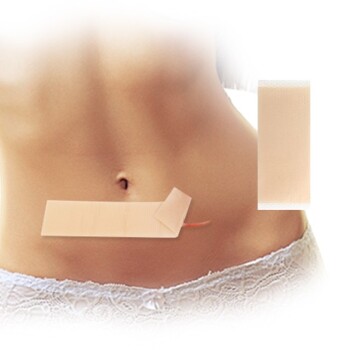
The specialized backing of a scopolamine patch allows for the physical masking of the drug-loaded matrix. By covering or exposing specific quadrants, clinicians can deliver fractional doses without altering the chemical concentration of the formulation.
Linear Drug Flux Dynamics
The drug delivery rate per unit area remains constant because the scopolamine is distributed uniformly throughout the polymer matrix. Consequently, doubling the exposed surface area exactly doubles the systemic dosage, providing a predictable clinical outcome.
Safety in Sensitive Populations
This physical adjustment method is particularly vital for pediatric medication safety and geriatric care. It allows for a "start low, go slow" approach, beginning with minimum effective doses to establish tolerance before reaching the full therapeutic range of 1.5 mg.
Manufacturing Precision: The Foundation of Titration
High-Precision Die-Cutting
To ensure titration is accurate, the manufacturing process utilizes advanced die-cutting technology to produce patches with exact surface areas (e.g., 5cm², 10cm², or 15cm²). Any deviation in size would result in an incorrect dosage, making mechanical precision a critical quality attribute.
Matrix Uniformity and R&D
Effective titration relies on the R&D capability to create a perfectly homogenous drug-in-adhesive matrix. If the scopolamine concentration varies across the patch surface, physical titration becomes unreliable and clinically dangerous.
Scalable Gradient Specifications
Modern GMP-certified facilities produce patches in multiple loading capacities, such as 20mg and 40mg units. This allows brand owners to offer a range of gradient specifications that facilitate flexible clinical titration for diverse patient profiles.
Understanding the Trade-offs
Physical Integrity vs. Ease of Use
While covering portions of a patch allows for titration, the patch must maintain its adhesive integrity. If the backing design is too complex, it may lead to improper application or accidental detachment, compromising the controlled release.
Manufacturing Complexity vs. Cost
Producing patches with precise drug-per-unit-area ratios requires stringent quality control and high-volume delivery capabilities. While this increases manufacturing sophistication, it reduces the need for multiple unique drug formulations, simplifying the supply chain for distributors.
Clinical Interpretation Risks
Relying on manual exposure of patch areas requires clear instructions for medical staff. Errors in covering the correct percentage of the patch can lead to sub-therapeutic dosing or unexpected toxicity, necessitating robust educational support from the brand owner.
Selecting the Right Partner for Custom Formulations
Strategic Manufacturing Considerations
For B2B resellers and brand owners, the ability to provide reliable, titrated scopolamine solutions depends on the technical prowess of the OEM/ODM partner. High-volume production must be matched by a commitment to global certifications and rigorous testing.
- If your primary focus is pediatric or geriatric markets: Prioritize partners with proven R&D expertise in low-dose gradient specifications and precision-cut small-area patches.
- If your primary focus is high-volume hospital supply: Seek manufacturers with massive production capacity and GMP-certified facilities to ensure consistent supply of standard 1.5 mg titration-capable units.
- If your primary focus is custom brand differentiation: Look for a turnkey partner capable of developing unique backing designs that simplify the titration process for clinical staff.
A sophisticated backing design, backed by precision manufacturing, transforms a simple patch into a versatile clinical tool for personalized scopolamine therapy.
Summary Table:
| Feature | Titration Mechanism | Manufacturing Requirement |
|---|---|---|
| Area-Based Dosing | Linear drug flux proportional to exposed surface | High-precision die-cutting technology |
| Matrix Uniformity | Constant drug concentration across the patch | Advanced homogenization & R&D expertise |
| Custom Gradients | Flexible loading (e.g., 0.375mg to 1.5mg) | Scalable GMP-certified production lines |
| Safety Control | Physical masking for sensitive populations | Stringent quality control & specifications |
Scale Your Brand with Enokon’s Precision Manufacturing
Are you a brand owner, distributor, or B2B reseller looking for reliable, high-volume transdermal solutions? Enokon is your trusted manufacturer and partner for turnkey contract R&D and custom formulations. We offer massive production capacity and GMP-certified facilities to ensure your products meet the most stringent global standards.
Why Partner with Enokon?
- Expert R&D: We specialize in complex drug-in-adhesive matrices and precision die-cutting for accurate dose titration.
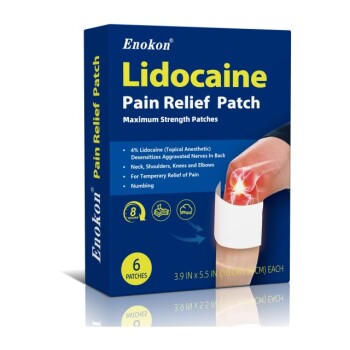
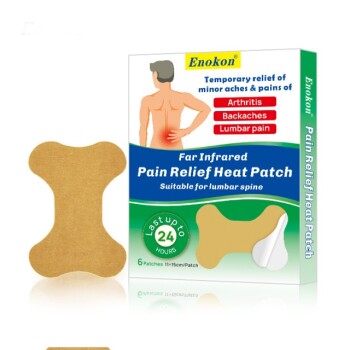
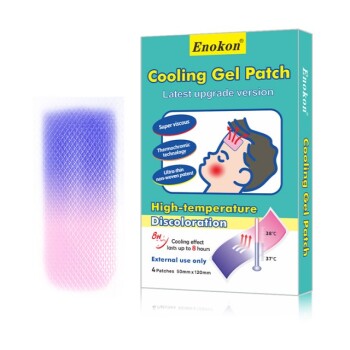
- Comprehensive Range: We produce Lidocaine, Menthol, Capsicum, Herbal, and Far Infrared pain relief patches, plus Eye Protection, Detox, and Medical Cooling Gel patches (excluding microneedle technology).
- Supply Reliability: High-volume delivery capabilities designed to protect your profit margins and ensure consistent stock.
Ready to develop your next custom patch formulation? Contact our expert team today to discuss your project!
References
- Majed Al Jeraisy, Mostafa A. Abolfotouh. Efficacy of scopolamine transdermal patch in children with sialorrhea in a pediatric tertiary care hospital. DOI: 10.1186/s12887-020-02336-x
This article is also based on technical information from Enokon Knowledge Base .
Related Products
- Far Infrared Heat Pain Relief Patches Transdermal Patches
- Silicone Scar Sheets Patch Transdermal Drug Patch
- Icy Hot Menthol Medicine Pain Relief Patch
- Menthol Gel Pain Relief Patch
- Mugwort Wormwood Pain Relief Patch for Neck Pain
People Also Ask
- Why is the control of material particle size critical in the development of Far Infrared pain relief patches? Boost Efficacy
- Why is the selection of matrix materials critical when developing customized transdermal patches? Optimize Efficacy
- What are the physical impacts of external heat exposure on the performance and safety of transdermal patches? - Guide
- What are the clinical advantages of local transdermal delivery systems? Unlock Safer, More Effective Pain Relief Solutions
- What role does a skin tolerance scoring system play in the safety evaluation of transdermal patches? Key Safety Metrics