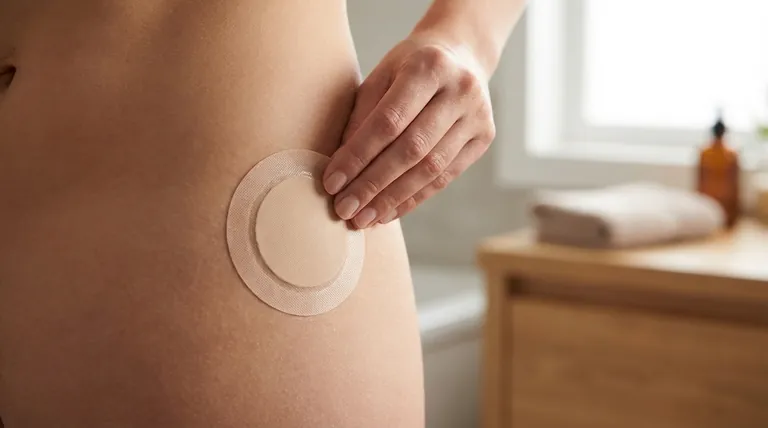
The methylphenidate transdermal system (MTS) delivers medication through a drug-in-adhesive matrix patch applied to the skin, typically on the hip. Once applied, the patch releases methylphenidate steadily over 9 hours, with an initial lag time of about 2 hours that shortens with repeated use. The medication is absorbed through the skin into the bloodstream, reaching peak plasma concentration in 8-10 hours and providing therapeutic effects for 10-12 hours. Methylphenidate works by increasing levels of dopamine and norepinephrine in the brain, improving attention and reducing impulsivity. The patch is part of a comprehensive treatment plan that includes behavioral therapies.
Key Points Explained:
-
Patch Composition and Application
- The MTS uses a drug-in-adhesive matrix design, where methylphenidate is embedded in a sticky layer that adheres to the skin.
- Applied to a clean, dry area on the hip once daily, the patch ensures consistent drug delivery.
- Proper handling is crucial: users must wash hands after application and rotate sites to avoid skin irritation.
-
Absorption and Pharmacokinetics
- Lag time: Initial absorption takes ~2 hours but decreases with regular use as the skin becomes more permeable.
- Steady release: The patch maintains stable drug levels, with peak plasma concentration occurring at 8–10 hours.
- Duration: Effects last 10–12 hours, making it suitable for all-day symptom control (e.g., during school or work).
-
Mechanism of Action
- Methylphenidate increases dopamine and norepinephrine in the brain, enhancing focus and reducing hyperactivity.
- Unlike oral stimulants, the transdermal route avoids gastrointestinal metabolism, providing more predictable effects.
-
Practical Considerations
- Dosing flexibility: The 9-hour wear time allows customization (e.g., applied in the morning for daytime coverage).
- Safety: Patches must be folded and disposed of properly to prevent accidental exposure.
-
Integration with Treatment Plans
- MTS is part of a multimodal approach, combining medication with behavioral, educational, and psychological support.
By delivering medication through the skin, the MTS offers a non-invasive, long-acting alternative to oral stimulants, aligning with patient lifestyles while minimizing peaks and troughs in drug levels.
Summary Table:
| Key Aspect | Details |
|---|---|
| Patch Design | Drug-in-adhesive matrix for steady drug release over 9 hours. |
| Application | Applied to the hip; requires rotation to avoid skin irritation. |
| Absorption | 2-hour initial lag time (shortens with use); peak concentration at 8–10 hrs. |
| Duration | Provides 10–12 hours of symptom control. |
| Mechanism | Boosts dopamine/norepinephrine levels, improving focus and reducing impulsivity. |
| Advantages | Avoids GI metabolism; offers dosing flexibility and predictable effects. |
Need reliable, long-acting ADHD treatment solutions?
Enokon specializes in bulk manufacturing of transdermal patches, including innovative drug delivery systems like the MTS. Our expertise in custom R&D ensures high-quality, tailored formulations for healthcare distributors and brands.
Contact us today to discuss your transdermal medication needs!
Visual Guide

Related Products
- Menthol Gel Pain Relief Patch
- Far Infrared Heat Pain Relief Patches Transdermal Patches
- Silicone Scar Sheets Patch Transdermal Drug Patch
- Icy Hot Menthol Medicine Pain Relief Patch
- Asthma Cough and Pain Relief Patch for Adults and Kids
People Also Ask
- How do pain relief patches compare to other pain relief methods? Discover Targeted, Long-Lasting Relief
- How effective are pain relief patches for muscle pain? Target Localized Pain with Transdermal Delivery
- Who should consult a healthcare professional before using pain relief patches? Ensure Your Safety with Medical Advice
- What are some common applications of pain relief patches? Effective Relief for Muscle & Joint Pain
- What are pain relief patches and how do they work? Discover Non-Invasive Pain Management