
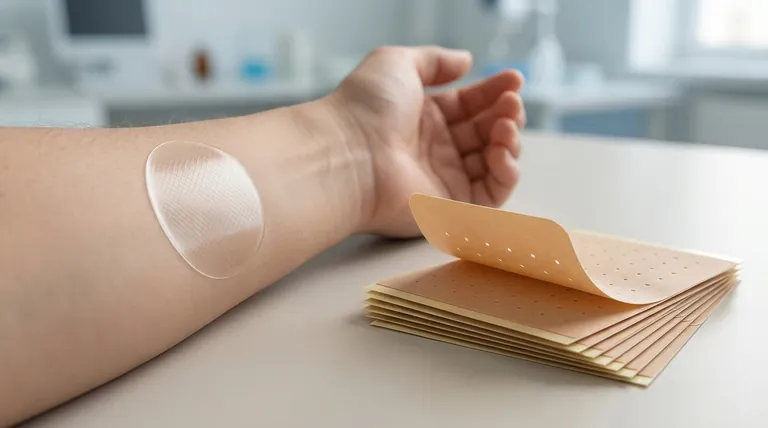
The new ibuprofen patch represents a significant advancement in transdermal pain relief technology, offering several advantages over existing commercial patches. Unlike many current patches that merely provide warming effects without active medication, this innovative patch delivers therapeutic doses of ibuprofen directly through the skin. With a drug load 5-10 times higher than current medical patches and gels, it maintains excellent skin adhesion even at high concentrations (up to 30% of patch weight). Its transparent design and ability to treat conditions like back pain, neuralgia, and arthritis without systemic side effects make it a promising alternative to oral medications. Expected to launch within two years, this patch could revolutionize topical pain management.
Key Points Explained:
-
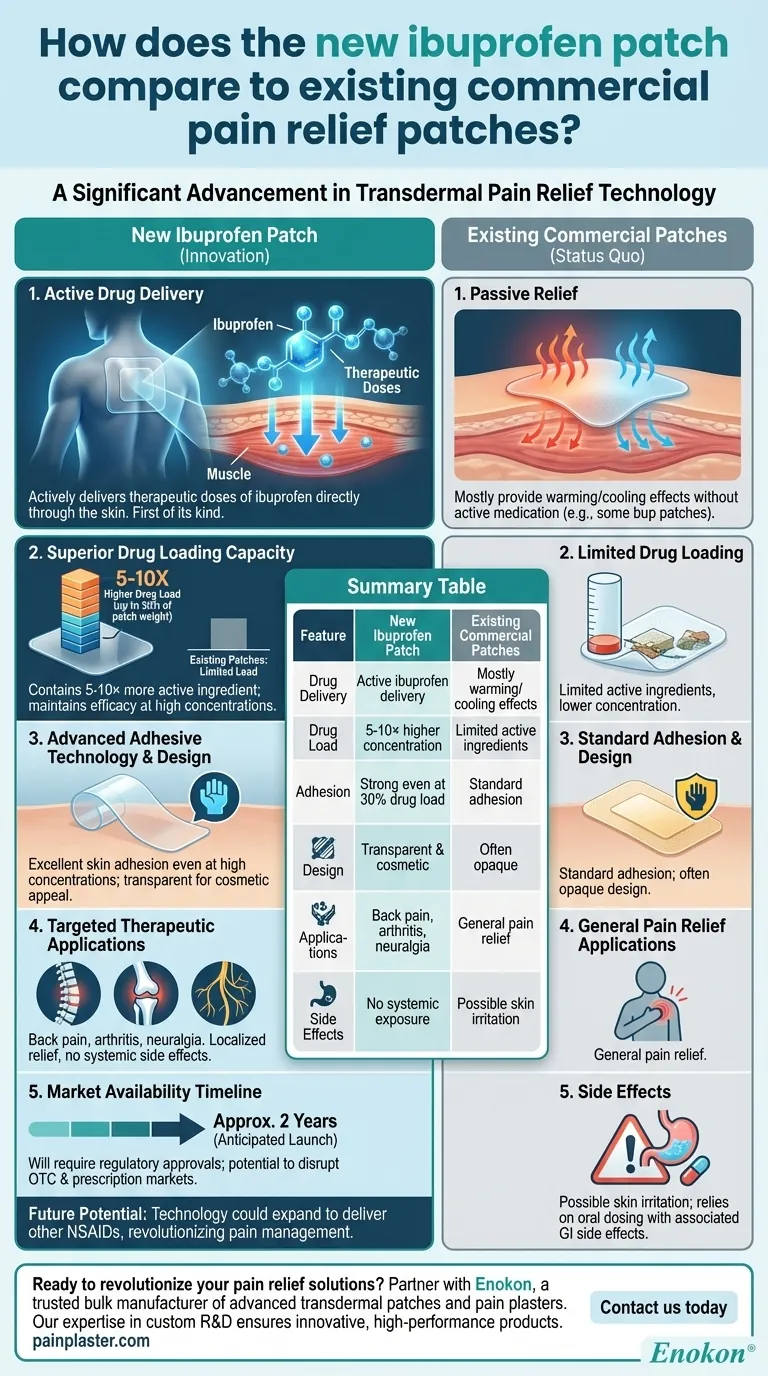
Active Drug Delivery vs. Passive Relief
- Unlike many commercial patches that only provide warming/cooling sensations (like bup patch products), the ibuprofen patch actively delivers medication
- First patch capable of transdermal ibuprofen delivery, addressing a gap in pain management options
- Eliminates need for oral dosing and associated gastrointestinal side effects
-
Superior Drug Loading Capacity
- Contains 5-10× more active ingredient than current medical patches/gels
- Maintains efficacy at remarkably high concentrations (up to 30% of patch weight)
- Enables sustained, localized delivery comparable to oral dosing without systemic exposure
-
Advanced Adhesive Technology
- Retains strong skin adhesion despite high drug loading - a technical breakthrough
- Transparent design improves cosmetic appeal over opaque competitors
- Likely uses novel polymer matrix to balance drug release and adhesion
-
Targeted Therapeutic Applications
- Specifically designed for musculoskeletal pain (back pain, arthritis) and neuralgia
- Provides localized relief without drug interactions or stomach irritation
- Could reduce opioid dependence for chronic pain management
-
Market Availability Timeline
- Anticipated commercial launch in approximately 2 years
- Will require regulatory approvals demonstrating safety/efficacy
- Potential to disrupt both OTC and prescription pain relief markets
Have you considered how this technology might expand to deliver other NSAIDs beyond ibuprofen? The polymer matrix developed for this patch could potentially revolutionize transdermal delivery of similar medications, creating new treatment paradigms for pain management.
Summary Table:
| Feature | New Ibuprofen Patch | Existing Commercial Patches |
|---|---|---|
| Drug Delivery | Active ibuprofen delivery | Mostly warming/cooling effects |
| Drug Load | 5-10× higher concentration | Limited active ingredients |
| Adhesion | Strong even at 30% drug load | Standard adhesion |
| Design | Transparent & cosmetic | Often opaque |
| Applications | Back pain, arthritis, neuralgia | General pain relief |
| Side Effects | No systemic exposure | Possible skin irritation |
Ready to revolutionize your pain relief solutions? Partner with Enokon, a trusted bulk manufacturer of advanced transdermal patches and pain plasters. Our expertise in custom R&D ensures innovative, high-performance products tailored for healthcare distributors and brands. Contact us today to discuss how we can develop cutting-edge pain management solutions for your market needs.
Visual Guide
Related Products
- Far Infrared Heat Pain Relief Patches Transdermal Patches
- Silicone Scar Sheets Patch Transdermal Drug Patch
- Menthol Gel Pain Relief Patch
- Icy Hot Menthol Medicine Pain Relief Patch
- Mugwort Wormwood Pain Relief Patch for Neck Pain
People Also Ask
- Why is the selection of matrix materials critical when developing customized transdermal patches? Optimize Efficacy
- What role does a skin tolerance scoring system play in the safety evaluation of transdermal patches? Key Safety Metrics
- What are the physical impacts of external heat exposure on the performance and safety of transdermal patches? - Guide
- What are the clinical advantages of local transdermal delivery systems? Unlock Safer, More Effective Pain Relief Solutions
- How does high-purity far-infrared ceramic powder contribute to the efficacy of far-infrared physical therapy patches?
















