The Rivastigmine transdermal delivery system maintains stable blood drug concentrations by utilizing a controlled-release matrix that leverages the skin as a natural barrier for continuous, 24-hour medication delivery. By bypassing the gastrointestinal tract and hepatic first-pass metabolism, the patch prevents the rapid "peak-and-valley" fluctuations inherent in oral capsules. This engineering achievement lowers the peak plasma concentration (Cmax) and extends the time to reach it (Tmax), resulting in a significantly smoother therapeutic window.
The transdermal system replaces the erratic absorption profile of the digestive tract with a constant-rate release mechanism, maintaining steady-state plasma levels that are roughly three times less likely to cause gastrointestinal side effects than oral alternatives.
Engineering Steady-State Pharmacokinetics
Bypassing the Gastrointestinal Barrier
Oral Rivastigmine capsules are subject to rapid gastrointestinal absorption, which causes sharp spikes in drug levels followed by quick declines. These fluctuations lead to drastic changes in acetylcholine levels, often triggering severe nausea and vomiting.
The transdermal patch acts as an occlusive delivery system, creating a stable drug reservoir on the skin surface. This allows the medication to enter the systemic circulation slowly and steadily, avoiding the "peaks" that cause toxicity and the "valleys" where the drug is no longer effective.
The Matrix-Controlled Release Mechanism
Modern patches utilize membrane-controlled or matrix-controlled technology to ensure a constant-rate release. This structural design facilitates a slow, continuous flow of the active pharmaceutical ingredient (API) through the skin barrier over a 24-hour period.
Unlike oral formulations that require multiple daily doses to maintain efficacy, a single patch ensures a consistent stimulation of the cholinergic system. This is critical for elderly patients who require precise, long-term management of cognitive symptoms.
Clinical and Business Advantages of Stability
Maintaining High Trough Concentrations
In oral administration, drug concentrations often drop near zero between doses, leading to a loss of therapeutic effect. The transdermal system maintains a trough plasma concentration at approximately 50% of the peak concentration.
This pharmacokinetic stability ensures that the patient remains within the therapeutic window at all times. For brand owners and distributors, this stability translates to higher patient adherence and a superior product profile compared to generic oral options.
Significant Reduction in Adverse Reactions
The stable release profile allows patients to achieve the same therapeutic efficacy as high-dose oral capsules but with a massive reduction in side effects. Specifically, the rate of gastrointestinal adverse reactions is reduced by approximately three times.
For B2B partners, this lower side-effect profile is a primary selling point. It ensures the sustainability of long-term treatment, which is the key driver of recurring prescriptions and brand loyalty in the dementia-care market.
Advanced Manufacturing and R&D Integration
Precision Formulation at Scale
Achieving a constant-rate release requires high-level R&D prowess and stringent manufacturing standards. The patch must maintain its integrity and release rate across different skin types and environmental conditions.
Our enterprise-level manufacturing utilizes GMP-certified facilities to produce high-permeability patches with consistent dosing. This ensures that every unit delivered to the wholesaler or distributor meets exact pharmacokinetic specifications.
Reliable High-Volume Delivery
For global brands, the ability to scale this complex technology is paramount. Our massive production capacity and stringent quality control ensure that the drug delivery profile remains identical across millions of units.
We offer turnkey contract R&D to customize formulations, allowing partners to differentiate their offerings in the market. This combination of technical precision and manufacturing scale makes the transdermal system a more reliable enterprise asset than traditional oral formats.
Understanding the Trade-offs
Skin Permeability and Irritation
While the transdermal system offers superior stability, it relies heavily on skin permeability, which can vary based on the patient's age and application site. Furthermore, the occlusive nature of the patch can occasionally lead to localized skin irritation or redness.
Absorption Lag Time
Unlike oral capsules, which provide a rapid onset of action, transdermal patches have a longer lag time to reach therapeutic levels. This makes them ideal for chronic management but less suitable for conditions requiring immediate pharmacological intervention.
Applying This Technology to Your Portfolio
Strategic Recommendations for Partners
- If your primary focus is Patient Retention: Highlight the 3x reduction in GI side effects and the convenience of once-daily dosing to differentiate from oral competitors.
- If your primary focus is Market Expansion: Leverage the pharmacokinetic stability of the patch to target elderly populations who have low tolerance for the side effects of high-dose oral therapy.
- If your primary focus is Supply Chain Reliability: Partner with an OEM/ODM that utilizes GMP-certified, high-volume facilities to ensure consistent drug-release profiles across all global shipments.
The transition from oral to transdermal Rivastigmine represents a shift toward precision medicine, offering a safer and more effective therapeutic journey for the end-user.
Summary Table:
| Feature | Oral Capsules | Transdermal Patch |
|---|---|---|
| Absorption Profile | Rapid Peak-and-Valley Fluctuations | Continuous 24-Hour Controlled Release |
| GI Side Effect Risk | High (Nausea & Vomiting) | 3x Lower Risk |
| Metabolism | High Hepatic First-Pass Effect | Bypasses Liver & GI Tract |
| Plasma Stability | Erratic Trough Levels | Consistent Steady-State Levels |
| Patient Adherence | Complex Multi-dose Schedules | Simple Once-Daily Application |
Partner with Enokon for Enterprise-Scale Transdermal Manufacturing
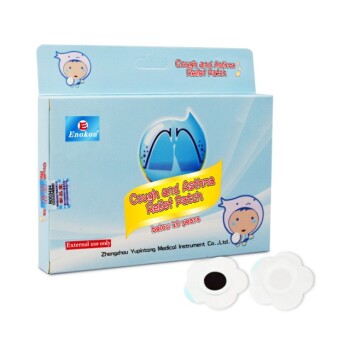
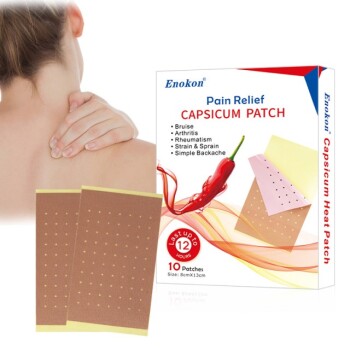
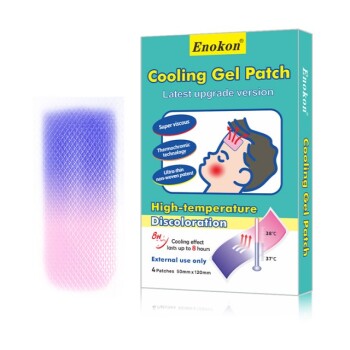
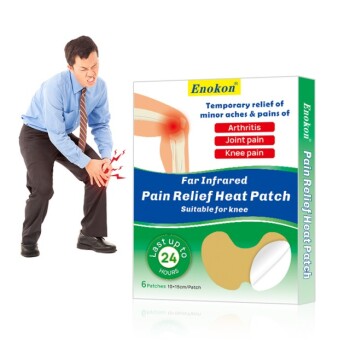
Are you looking to enhance your product portfolio with high-performance drug delivery systems? Enokon is a trusted brand and manufacturer providing brand owners, distributors, and wholesalers with world-class OEM/ODM solutions. We specialize in high-volume production of transdermal patches—including Rivastigmine-equivalent delivery systems, Lidocaine, Menthol, Capsicum, and Herbal pain relief, as well as Eye Protection and Medical Cooling Gel patches (excluding microneedle technology).
Why Global B2B Partners Choose Enokon:
- Turnkey Contract R&D: Custom formulations and precision matrix-controlled engineering.
- Massive Production Capacity: Reliable high-volume delivery from GMP-certified facilities.
- Global Standards: Stringent quality control with comprehensive certifications to ensure market compliance and patient safety.
- Competitive Edge: Superior pharmacokinetic profiles that drive brand loyalty and higher profit margins.
Ready to scale your brand with a reliable manufacturing partner?
Contact Enokon Today for Custom R&D and Wholesale Solutions
References
- &NA;. Rivastigmine transdermal patch: a guide to its use in dementia of the Alzheimer??s type. DOI: 10.2165/00042310-200824040-00002
This article is also based on technical information from Enokon Knowledge Base .
Related Products
- Far Infrared Heat Pain Relief Patches Transdermal Patches
- Silicone Scar Sheets Patch Transdermal Drug Patch
- Icy Hot Menthol Medicine Pain Relief Patch
- Menthol Gel Pain Relief Patch
- Mugwort Wormwood Pain Relief Patch for Neck Pain
People Also Ask
- Why is the control of material particle size critical in the development of Far Infrared pain relief patches? Boost Efficacy
- Why is the selection of matrix materials critical when developing customized transdermal patches? Optimize Efficacy
- What are the physical impacts of external heat exposure on the performance and safety of transdermal patches? - Guide
- What are the clinical advantages of local transdermal delivery systems? Unlock Safer, More Effective Pain Relief Solutions
- What role does a skin tolerance scoring system play in the safety evaluation of transdermal patches? Key Safety Metrics