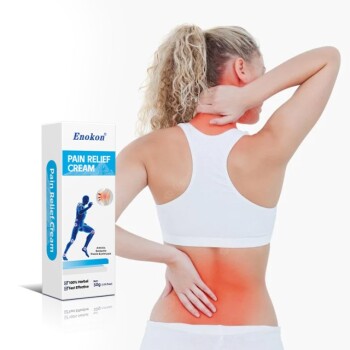
Topical anesthetics provide a superior, non-invasive alternative to Lidocaine infiltration by eliminating needle-related trauma and significantly reducing systemic toxicity. For myofascial pain management, advanced topical formulations utilize transdermal delivery to provide targeted, sustained relief while bypassing the risks of infection, bleeding, or cardiovascular complications associated with invasive injections.
Topical anesthetics offer a safer, highly scalable, and more patient-compliant solution for chronic pain compared to invasive infiltration. By leveraging medical-grade transdermal manufacturing, brand owners can provide targeted analgesia that reduces clinical overhead while maintaining high efficacy.
Clinical Superiority of Non-Invasive Delivery
Eliminating Procedural Risks and Tissue Trauma
Invasive Lidocaine infiltration carries inherent risks such as localized tissue trauma, infection, and bleeding. Topical applications, specifically 5% Lidocaine patches, bypass these dangers entirely, making them safer for patients requiring frequent interventions.
By removing the need for needles, healthcare providers can avoid rare but severe complications like pneumothorax or catheter displacement. This non-invasive nature significantly lowers the barrier for patient entry and improves overall treatment acceptance.
Targeted Mechanism and Reduced Systemic Load
Topical Lidocaine acts as a sodium channel blocker, inhibiting the depolarization of pain neurons directly at the trigger point. This localized approach prevents pain signals from reaching the central nervous system without the high systemic absorption seen in injections.
Because the medication is delivered percutaneously, it minimizes the risk of cardiovascular complications and other systemic side effects. This high safety profile is critical for long-term myofascial pain management where cumulative toxicity is a concern.
Economic and Operational Advantages for Scalability
Reducing Medical Resource Burden
Invasive procedures require specialized techniques and expensive monitoring equipment to manage potential adverse reactions. In contrast, topical patches are straightforward to apply and do not require a clinical setting for administration.
This ease of use allows for rapid deployment in emergency rooms and outpatient settings. For B2B distributors and brand owners, this translates to a product with a much wider market reach and lower logistical friction.
Advanced Transdermal R&D and Manufacturing
Modern topical anesthetics rely on advanced transdermal drug delivery technology to ensure stable, long-lasting analgesic effects. This requires sophisticated R&D capabilities to ensure the active ingredients penetrate the skin barrier effectively and consistently.
Partnering with a GMP-certified manufacturer ensures that these high-concentration formulations meet stringent global standards. Massive production capacity allows brand owners to satisfy high-volume demand while maintaining rigorous quality control.
Understanding the Trade-offs
Absorption Limits and Onset Time
While topical anesthetics offer a better safety profile, they generally have a slower onset of action compared to direct lidocaine infiltration. Injections provide near-instantaneous relief, whereas patches require time for the medication to penetrate the dermis.
Skin Sensitivity and Application Barriers
Topical treatments can occasionally cause localized skin irritation or allergic reactions to the adhesive or base formula. Furthermore, the efficacy of the patch is dependent on proper skin contact, which can be a challenge in high-movement areas of the body.
Depth of Penetration
Invasive infiltration can reach deeper muscular structures that topical applications may struggle to influence. For very deep myofascial trigger points, a topical solution may serve better as a supplementary treatment rather than a total replacement for clinical procedures.
How to Apply This to Your Product Strategy
Choosing the Right Path for Your Brand
- If your primary focus is Clinical Grade Performance: Prioritize 5% Lidocaine custom formulations that utilize sustained-release technology to compete directly with the efficacy of invasive procedures.
- If your primary focus is Market Expansion and Volume: Focus on turnkey OEM/ODM solutions that emphasize ease of use and outpatient safety to capture the growing home-care and pharmacy retail sectors.
- If your primary focus is Specialized Patient Needs: Explore R&D partnerships to develop multi-ingredient topicals (combining Lidocaine with menthol or methyl salicylate) to provide a multi-modal sensory approach to pain relief.
Transitioning from invasive to topical delivery models allows brand owners to offer safer, more accessible pain management solutions backed by world-class manufacturing scale.
Summary Table:
| Feature | Topical Anesthetics (Patches) | Invasive Infiltration (Injections) |
|---|---|---|
| Invasiveness | Non-invasive; zero needle trauma | Invasive; risk of tissue damage |
| Systemic Risk | Minimal; localized delivery | Higher; risk of systemic toxicity |
| Administration | Easy; outpatient & home use | Clinical setting; requires specialists |
| Procedural Cost | Low; minimal equipment needed | High; requires monitoring & disposables |
| Patient Comfort | High; painless application | Moderate to Low; needle-related pain |
| Scalability | High; easy for mass distribution | Low; limited by clinical resources |
Scale Your Pain Management Brand with Enokon
As a leading manufacturer and trusted partner for brand owners, distributors, and B2B resellers, Enokon specializes in high-capacity, medical-grade transdermal solutions. We provide turnkey OEM/ODM services and custom R&D to help you transition from invasive clinical models to high-demand topical products.
Why Partner with Enokon?
- Comprehensive Product Range: Wholesale production of Lidocaine, Menthol, Capsicum, Herbal, and Far Infrared pain relief patches, plus specialized cooling and detox gels (excluding microneedle technology).
- Enterprise-Level Manufacturing: Massive production capacity in GMP-certified facilities with full global certifications (CE, FDA, ISO).
- R&D Expertise: Custom formulations and sustained-release technology tailored to your market's specific needs.
- Reliable Supply Chain: Stringent quality control and high-volume delivery to ensure your profit margins and market reliability.
Ready to elevate your product line with a trusted manufacturing partner? Contact us today to discuss your custom formulation or wholesale needs!
References
- Ana Paula de Oliveira Maciel, José Dias da Silva Neto. Topical anesthetic to release trigger points in painful myofascial syndrome. Pilot study. DOI: 10.5935/2595-0118.20180028
This article is also based on technical information from Enokon Knowledge Base .
Related Products
- Lidocaine Hydrogel Pain Relief Patch for Pain Relief
- Icy Hot Menthol Medicine Pain Relief Patch
- Capsaicin Chili Medicated Pain Relief Patches
- Menthol Gel Pain Relief Patch
- Mugwort Wormwood Pain Relief Patch for Neck Pain
People Also Ask
- How does the aqueous base in a lidocaine patch contribute to drug delivery? Unlocking Sustained Pain Relief Technology
- Which pain patch is most effective for arthritis? Find the Best Relief for Your Joint Pain
- How should lidocaine patches be applied for optimal use? Maximize Pain Relief with Proper Application
- Will a GP routinely continue prescribing lidocaine patches after the initial period? Understanding Short-Term Pain Relief
- Why are lidocaine patches preferred over oral medications? Targeted Relief & Scale Your Brand with OEM R&D Solutions