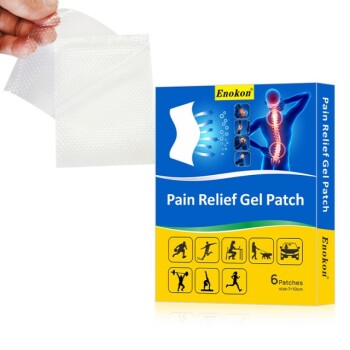
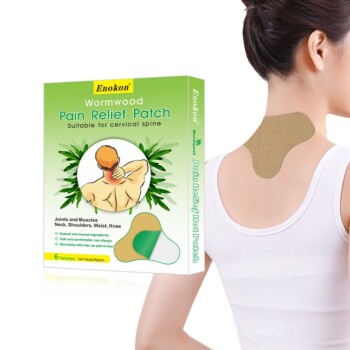
Medical-grade pressure-sensitive adhesives (PSAs) serve as the critical engine of a transdermal patch, functioning simultaneously as a secure attachment mechanism, a controlled-release drug matrix, and a protective biocompatible interface. These specialized materials ensure that the patch maintains continuous skin contact for up to 72 hours, which is the physical prerequisite for delivering active pharmaceutical ingredients (APIs) at a constant, predictable rate.
Core Takeaway: For B2B stakeholders, medical-grade PSAs are the primary determinant of a product's therapeutic success and patient compliance, acting as both the physical anchor and the chemical delivery vehicle for the medication.
The Dual Role of Adhesion and Drug Delivery
Maintaining Constant Drug Flux
The primary technical function of a PSA is to ensure a tight, gap-free connection between the patch and the skin. This continuous contact is vital because any detachment or air pocket disrupts the steady-state diffusion of the drug, leading to inconsistent dosing.
Serving as the Drug-in-Adhesive Matrix
In modern drug-in-adhesive systems, the PSA acts as the physical reservoir for the active ingredients. Beyond just holding the drug, the adhesive's chemical structure is engineered to control the diffusion rate, ensuring the API moves toward the skin surface at a quantified and uniform speed.
Preserving Structural Integrity
The PSA maintains the mechanical stability of the entire delivery system throughout its wear cycle. It prevents the internal components from shifting or leaking, ensuring the patch remains intact even as the patient moves, exercises, or sleeps.
Ensuring Patient Compliance Through Biocompatibility
Minimizing Skin Irritation and Sensitization
High-performance PSAs are formulated for excellent biocompatibility to reduce the risk of redness or allergic reactions. By incorporating high breathability and low-allergenicity profiles, these materials mitigate the effects of prolonged occlusion on the skin.
Achieving Trauma-Free Removal
A critical function of medical-grade adhesives is the ability to provide firm adhesion that can be reversed without causing mechanical skin damage. Quality formulations ensure the patch can be peeled away cleanly after its 24-to-72-hour cycle without leaving sticky residue or stripping the epidermal layer.
Immediate Activation and Multi-Day Wear
These adhesives are designed to generate instantaneous grab upon the application of light pressure. This immediate bond must be resilient enough to withstand moisture and friction, ensuring the patch does not undergo premature detachment, which would result in under-dosing.
Understanding the Trade-offs
Adhesion vs. Skin Integrity
There is a constant engineering balance between high peel strength and skin safety. While stronger adhesion prevents accidental detachment, excessively aggressive adhesives can trigger inflammation or cause pain upon removal, particularly in pediatric or geriatric populations with fragile skin.
Drug Loading vs. Physical Stability
Increasing the concentration of an API within the adhesive matrix can sometimes compromise the cohesive strength of the PSA. If the drug load is too high, the adhesive may become soft or "leggy," leading to adhesive transfer around the edges of the patch or failure to stick entirely.
Breathability vs. Environmental Protection
While a PSA must be breathable to prevent skin maceration, it must also work in tandem with the backing material to seal the drug from external contaminants. Finding the "sweet spot" in porosity is essential for maintaining both skin health and drug stability.
How to Apply This to Your Project
Making the Right Choice for Your Goal
- If your primary focus is high-potency drug delivery: Prioritize a custom PSA formulation that serves as a high-capacity matrix reservoir to ensure precise, steady-state flux.
- If your primary focus is long-wear patient comfort: Select PSAs with high moisture vapor transmission rates (MVTR) and proven biocompatibility to support multi-day wear cycles without irritation.
- If your primary focus is market-ready scalability: Partner with a GMP-certified manufacturer capable of providing turnkey contract R&D and high-volume production of standardized polyacrylate or silicone-based adhesives.
The right adhesive formulation transforms a simple patch into a sophisticated medical device capable of delivering life-saving medication with absolute reliability.
Summary Table:
| Function | Key Benefit | Technical Requirement |
|---|---|---|
| Adhesion | Ensures continuous skin contact for up to 72h | High initial tack & moisture resistance |
| Drug Reservoir | Acts as the matrix for API storage and release | Controlled diffusion & chemical stability |
| Biocompatibility | Minimizes skin irritation and allergic reactions | Breathable, low-allergenicity profile |
| Removal | Permits trauma-free peeling without residue | Balanced peel strength & cohesive integrity |
Scale Your Brand with Enokon’s Transdermal Expertise
Are you looking to enhance your product line with high-performance transdermal patches? Enokon is your trusted GMP-certified manufacturer, providing turnkey contract R&D and massive production capacity for brand owners, distributors, and wholesalers worldwide.
We specialize in custom formulations and high-volume delivery of a comprehensive range of products, including:
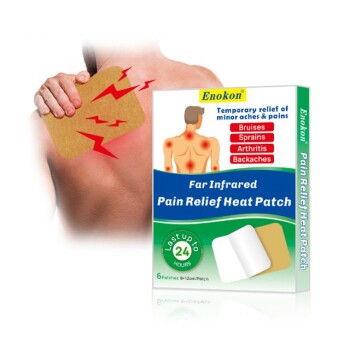
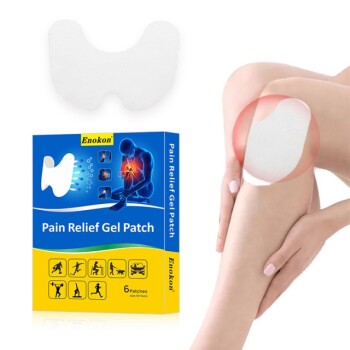
- Pain Relief: Lidocaine, Menthol, Capsicum, and Far Infrared patches.
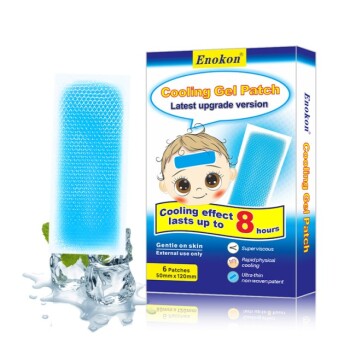
- Health & Wellness: Herbal, Eye Protection, Detox, and Medical Cooling Gel patches.
(Note: We provide a full range of transdermal drug delivery solutions, excluding microneedle technology.)
Partner with us to leverage our stringent quality control and reliable OEM/ODM services. Contact Enokon Today to Discuss Your Project and gain a competitive edge in the global market.
References
- Rushikesh Narode*, Vikram Saruk, Manoj Garad, Parvani Wani. Therapeutic Advance in Transdermal Drug Delivery Systems, Enhancing Efficiency Through the Skin. DOI: 10.5281/zenodo.17552949
This article is also based on technical information from Enokon Knowledge Base .
Related Products
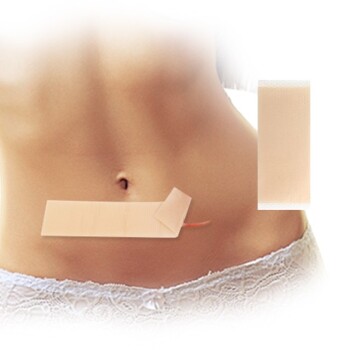
- Silicone Scar Sheets Patch Transdermal Drug Patch
- Far Infrared Heat Pain Relief Patches Transdermal Patches
- Medical Cooling Gel Patches for Fever Cooling Patches
- Icy Hot Menthol Medicine Pain Relief Patch
- Menthol Gel Pain Relief Patch
People Also Ask
- What is the function of PDMS-NH2 in silicone patches? Catalyzing Room-Temp Curing for Heat-Sensitive APIs
- What role does a silicone-based transdermal delivery system play in Parkinson's? Enhancing Early-Stage Patient Care
- Why is TEOS used as a cross-linking agent in silicone transdermal patches? Ensure Structural Integrity & Drug Stability
- How do PEG 200 and Glycerol modify silicone transdermal patches? Optimize Drug Release and Patch Flexibility
- How is the long-term skin tolerance of silicone-based transdermal patches evaluated in clinical settings? R&D and Safety