
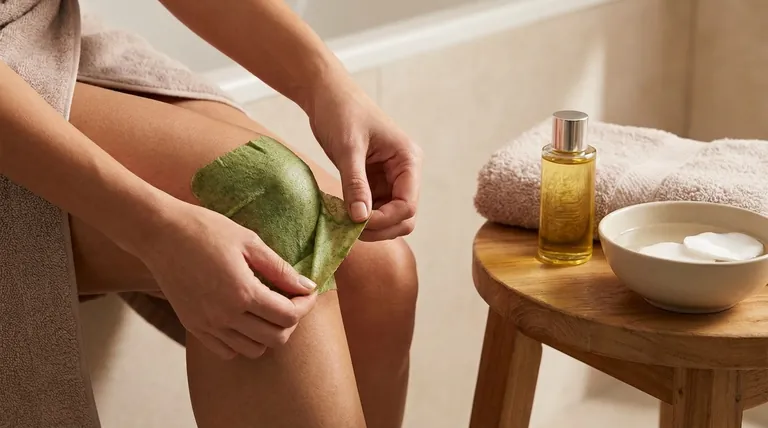
Removing a Chinese plaster, such as a chili plaster, painlessly requires a careful approach to minimize skin irritation and discomfort. The process involves gently loosening the adhesive, peeling it slowly, cleaning the skin afterward, and soothing any residual irritation. Avoiding sudden or forceful pulling is key to preventing pain and potential skin damage.
Key Points Explained:
-
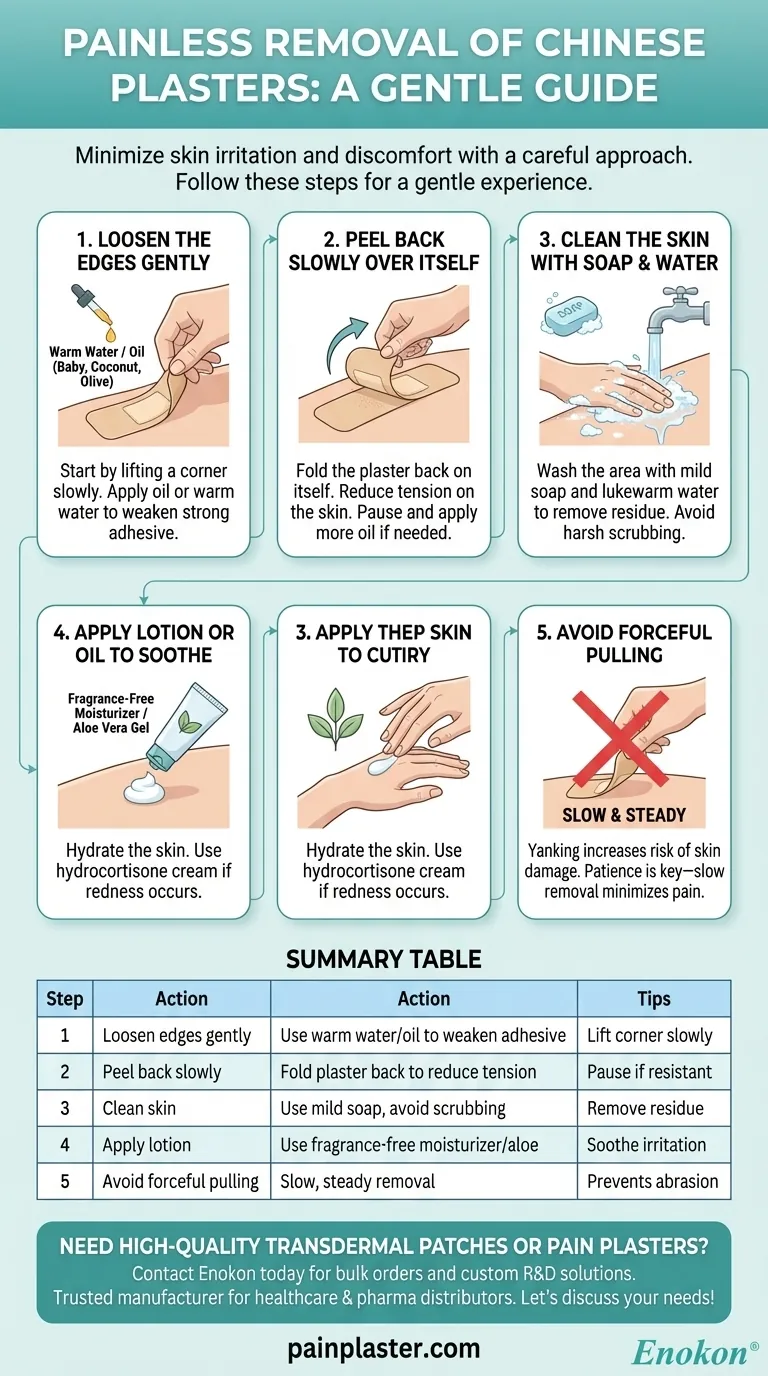
Loosen the Edges Gently
- Start by lifting one corner of the plaster slowly. Use your fingers or a blunt tool (like a spoon) to avoid tearing the skin.
- If the adhesive is strong, applying a small amount of warm water or oil (baby oil, coconut oil, or olive oil) can help weaken the glue.
-
Peel Back Slowly Over Itself
- Instead of pulling upward, fold the plaster back on itself as you remove it. This reduces tension on the skin.
- If resistance is felt, pause and apply more oil or warm water to further loosen the adhesive.
-
Clean the Skin with Soap and Water
- After removal, wash the area with mild soap and lukewarm water to eliminate adhesive residue.
- Avoid scrubbing harshly, as this can irritate sensitive skin.
-
Apply Lotion or Oil to Soothe Irritation
- Use a fragrance-free moisturizer or aloe vera gel to hydrate the skin.
- If redness or itching occurs, a hydrocortisone cream can help reduce inflammation.
-
Avoid Forceful Pulling
- Yanking the plaster quickly increases the risk of skin abrasion or minor tears.
- Patience is crucial—slow, steady removal minimizes discomfort.
By following these steps, you can ensure a painless and gentle removal process while keeping your skin healthy. Have you considered keeping these supplies handy for future plaster use?
Summary Table:
| Step | Action | Tips |
|---|---|---|
| 1 | Loosen the edges gently | Use warm water or oil to weaken adhesive |
| 2 | Peel back slowly over itself | Fold plaster back to reduce tension |
| 3 | Clean skin with soap and water | Use mild soap, avoid scrubbing |
| 4 | Apply lotion or oil to soothe | Use fragrance-free moisturizer or aloe vera |
| 5 | Avoid forceful pulling | Slow, steady removal minimizes discomfort |
Need high-quality transdermal patches or pain plasters? Contact Enokon today for bulk orders and custom R&D solutions. As a trusted manufacturer, we provide reliable, skin-friendly products tailored for healthcare and pharma distributors. Benefit from our expertise in pain relief solutions—let’s discuss your needs!
Visual Guide
Related Products
- Capsaicin Chili Medicated Pain Relief Patches
- Natural Herbal Wormwood Patch Pain Plaster
- Prostate Pain Kidney Health Care Patch for Men
- Heat Relief Capsicum Patch for Lower Back Pain Relief
- Asthma Cough and Pain Relief Patch for Adults and Kids
People Also Ask
- What conditions should be reported to a care team before using capsaicin patches? Ensure Safe Pain Relief
- What conditions can capsaicin creams and patches help relieve? Find Targeted Pain Relief for Nerves & Joints
- What are the uses of nonprescription capsaicin patches? Natural Pain Relief for Muscles & Joints
- What should be avoided while using capsaicin patches? Essential Safety Tips for Effective Pain Relief
- How are capsaicin patches administered? A Guide to Clinical vs. At-Home Use




