The Franz Diffusion Cell provides two critical physical conditions for evaluating transdermal enhancers: a constant physiological temperature (typically 32°C to 37°C) and continuous kinetic stirring. By utilizing a circulating water jacket and an integrated magnetic stirring system, the apparatus replicates the heat of the human body and the "sink conditions" of systemic blood circulation.
This precise laboratory simulation allows R&D teams to quantify how effectively a formulation penetrates the skin barrier, ensuring that custom-developed products meet stringent efficacy and safety standards before moving to mass production.
Precise Thermal Regulation via Circulating Jackets
Maintaining Physiological Equilibrium
The primary role of the Franz Diffusion Cell is to keep the skin sample at a stable temperature that mimics the human body. A circulating water jacket surrounds the receptor chamber, ensuring the receptor medium remains at 37°C, which maintains the skin surface at approximately 32°C.
Ensuring Consistent Data Across Batches
Stable temperature is vital because the permeability of the skin stratum corneum is highly sensitive to thermal changes. For B2B partners, this thermal stability ensures that R&D data is reproducible, providing a reliable foundation for scaling up custom formulations in GMP-certified facilities.
Simulating the Biological Heat Barrier
By maintaining these specific temperatures, the cell allows researchers to accurately observe how penetration enhancers modify the lipid structure of the skin. This level of detail is essential for brand owners who require documented proof of product performance for global regulatory compliance.
Kinetic Uniformity and Sink Condition Simulation
Integrated Magnetic Stirring Systems
The receptor chamber is equipped with a magnetic stirring system that operates continuously during the experiment. This movement ensures that the drug concentration remains uniform throughout the medium, preventing localized saturation.
Replicating Systemic Blood Circulation
In a living organism, the blood supply carries away drugs as they penetrate the skin, maintaining a concentration gradient. The stirring action in a Franz Cell simulates these "sink conditions," providing a realistic measure of steady-state flux and cumulative drug delivery.
Quantifying Transdermal Flux (Jss)
The kinetic environment allows for precise, timed sampling of the receptor liquid. This data is used to calculate the steady-state flux, giving wholesalers and distributors confidence in the delivery speed and efficiency of the active ingredients in their products.
The Dual-Chamber Structural Design
Donor and Receptor Compartmentalization
The Franz Cell utilizes a vertical design that separates the formulation (in the donor compartment) from the systemic simulation (in the receptor compartment). A skin sample—often porcine or synthetic—is clamped between these two layers.
Simulating the Skin-to-Circulation Pathway
This physical separation mimics the actual journey a topical cream or patch takes from the skin surface into the dermal circulation. It is the core mechanism used to validate high-efficiency transdermal enhancers in complex bases like emulgels and creams.
Support for Custom Formulation Development
For brand owners seeking turnkey contract R&D, this structural setup allows for the testing of various concentrations and chemical enhancers. It ensures that the final product delivered from high-volume production lines performs exactly as intended.
Understanding the Trade-offs and Limitations
In Vitro vs. In Vivo Correlation
While the Franz Diffusion Cell is the industry standard for in vitro testing, it cannot fully replicate the complex metabolic activity or immune responses of living human skin. It provides a physical model of diffusion, not a complete biological simulation.
Membrane Integrity and Sourcing
The accuracy of the results is highly dependent on the quality of the skin membrane used between the chambers. Variability in skin thickness or source can lead to data fluctuations, which is why stringent quality control and standardized protocols are required in professional lab environments.
Maintenance of Sink Conditions
If the drug concentration in the receptor chamber rises too high, the "sink condition" is lost, and the diffusion rate will artificially slow down. Maintaining a high ratio of receptor volume to drug concentration is a technical challenge that requires expert oversight during the testing phase.
Applying These Insights to Your Product Strategy
Recommendations for Brand Owners and Distributors
To ensure your transdermal products meet market expectations for efficacy and reliability, consider these strategic approaches based on your specific business goals:
- If your primary focus is rapid market entry: Prioritize partners who use standardized Franz Cell testing to provide immediate, validated data on existing "off-the-shelf" formulations.
- If your primary focus is unique brand positioning: Invest in custom R&D that utilizes Franz Cell flux data to prove your specific enhancer outperforms competitors in delivery speed.
- If your primary focus is global regulatory compliance: Ensure your manufacturer provides comprehensive documentation of Franz Cell testing conducted in GMP-certified facilities to satisfy international safety standards.
By leveraging the precise physical simulations of the Franz Diffusion Cell, brand owners can transform complex R&D data into a definitive competitive advantage in the global transdermal market.
Summary Table:
Key Physical Conditions Provided by Franz Diffusion Cells
| Feature | Physical Mechanism | Impact on Product Development |
|---|---|---|
| Thermal Regulation | Circulating Water Jacket (32°C-37°C) | Ensures stable skin permeability for reproducible R&D data. |
| Kinetic Uniformity | Magnetic Stirring System | Replicates "sink conditions" to measure steady-state drug flux. |
| Structural Design | Dual-Chamber (Donor/Receptor) | Simulates the skin-to-circulation pathway for efficacy testing. |
| Concentration Gradient | Continuous Medium Movement | Prevents localized saturation for realistic delivery speed data. |
Scale Your Brand with Enokon’s R&D Prowess
As a trusted manufacturer and GMP-certified partner, Enokon provides the technical expertise needed to transform complex lab data into market-leading products. We specialize in wholesale transdermal patches and turnkey contract R&D, offering massive production capacity for brand owners, distributors, and B2B resellers worldwide.
Why Partner with Enokon?
- Custom Formulations: Specialized R&D for Lidocaine, Menthol, Capsicum, and Herbal pain relief patches.
- Diverse Product Portfolio: High-volume production of Eye Protection, Detox, and Medical Cooling Gel patches (excluding microneedles).
- Reliable Global Supply: Stringent quality control and comprehensive certifications ensure high-margin reliability for your distribution network.
Ready to elevate your product performance? Contact us today to discuss your OEM/ODM requirements!
References
- Manisha Iyer, Yufeng Jane Tseng. QSAR Analyses of Skin Penetration Enhancers.. DOI: 10.1002/chin.200734206
This article is also based on technical information from Enokon Knowledge Base .
Related Products
- Mugwort Wormwood Pain Relief Patch for Neck Pain
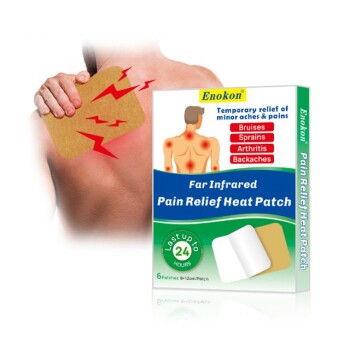
- Far Infrared Heat Pain Relief Patches Transdermal Patches
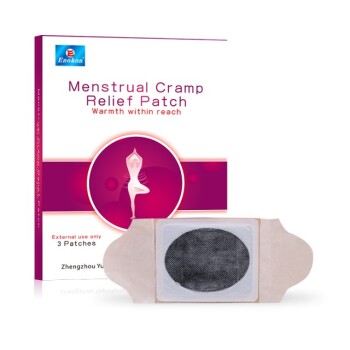
- Heating Pain Relief Patches for Menstrual Cramps
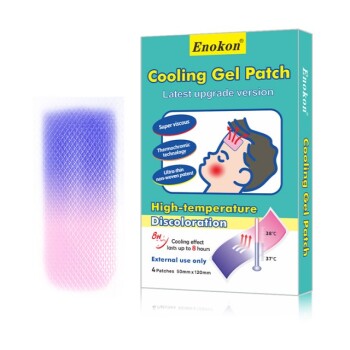
- Cooling Fever Patches Color Change Cold Fever Patch
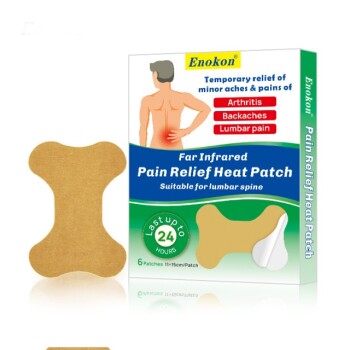
- Far Infrared Pain Patch Relief Pain Reliever for Back
People Also Ask
- How do pain relief patches provide targeted relief? Discover the Science Behind Effective Pain Management
- Are pain relief pills and patches available without a prescription? Choose the Right OTC Pain Relief
- How do pain relief patches compare to oral painkillers? Targeted Relief vs. Systemic Effects
- What are pain relief patches? Discover Targeted, Drug-Free Pain Management Solutions
- What are pain relief patches and how are they used? A Guide to Safe, Targeted Relief