Precision in transdermal evaluation is the cornerstone of successful product commercialization and regulatory approval. The primary equipment used for evaluating these systems includes Franz diffusion cells (both manual and automated) and in vitro dissolution testers. These instruments allow manufacturers to simulate human skin permeation and establish the drug release profiles necessary to predict clinical performance and ensure batch-to-batch consistency.
Modern transdermal manufacturing relies on high-precision diffusion and dissolution systems to transform complex formulations into market-ready products. By simulating physiological conditions, these tools provide the quantitative data required to validate efficacy and maintain global quality standards.
The Foundation of Permeation Testing: Franz Diffusion Cells
The Mechanics of the Vertical Diffusion Cell
The Franz diffusion cell, often referred to as a vertical diffusion cell, is the industry standard for simulating how a drug crosses a biological barrier. It consists of a donor compartment, where the patch or hydrogel is placed, and a receptor compartment filled with physiological media.
A membrane—either synthetic or excised animal skin—is sandwiched between these compartments to act as the barrier. This setup allows researchers to measure the cumulative drug permeation and the rate at which the active ingredient enters systemic circulation.
The Role of Automatic Diffusion Apparatus
For enterprise-level R&D, an automatic transdermal diffusion apparatus is utilized to increase throughput and precision. These systems integrate multiple Franz cells with automated sampling modules to ensure data integrity over long-duration studies.
These devices maintain a constant environment using integrated magnetic stirring and a circulating water bath. By holding the receptor fluid at a steady 32 ± 0.5 °C with continuous stirring at 300 r/min, the apparatus perfectly mimics human skin conditions.
Calculating Permeation Flux (Js)
The primary output of these studies is the steady-state permeation flux (Js). This metric indicates the mass of the drug moving through a specific area of skin over a set period of time.
This data is critical for brand owners who need to prove that their custom formulations deliver the intended dosage. High-volume manufacturers use these calculations to optimize the concentration of penetration enhancers in the final product.
Complementary Testing for Quality Control
In Vitro Dissolution Testers
While permeation studies focus on the barrier, in vitro dissolution testers focus on the patch itself. These machines determine how quickly the drug matrix releases the active ingredient into a controlled medium, such as a phosphate buffer at pH 7.4.
In this setup, the transdermal patch is secured to a glass disk covered with stainless steel mesh. Rotating paddles create specific hydrodynamic conditions that allow the drug to diffuse from the patch, establishing a definitive release profile.
Evaluating Membrane Integrity
Choosing the right membrane is a strategic decision in the R&D process. While human or animal skin provides the most accurate physiological simulation, synthetic membranes offer higher reproducibility for routine quality control in GMP-certified facilities.
Reliable OEM partners utilize both to ensure that a product is not only effective in a clinical sense but also consistently manufactured. This dual approach minimizes the risk of regulatory delays during global product launches.
Understanding the Trade-offs and Challenges
Biological Variability vs. Synthetic Consistency
Using biological skin samples provides high-fidelity data but introduces significant variability due to the natural differences in tissue samples. This can lead to wider margins of error in data sets, which may require larger sample sizes to achieve statistical significance.
Synthetic membranes, while highly consistent and easier to use in high-volume manufacturing, may not fully replicate the complex lipid structure of human skin. This means they are excellent for quality assurance but may not fully replace biological models during early-stage formulation development.
Hydrodynamic and Temperature Sensitivities
In vitro studies are extremely sensitive to minor fluctuations in temperature and stirring speed. Even a half-degree deviation from the standard 32 °C can significantly alter the permeation rate, leading to inaccurate predictions of clinical performance.
Automated systems mitigate this risk but require stringent calibration and maintenance. For distributors and brand owners, partnering with a manufacturer that invests in high-end, self-validating equipment is essential for ensuring product reliability.
Making the Right Choice for Your Goal
When selecting a manufacturing partner or evaluating a transdermal project, your equipment and testing strategy should align with your specific commercial objectives.
- If your primary focus is rapid market entry for a generic formulation: Prioritize partners who utilize automated dissolution testers and synthetic membranes to ensure fast, reproducible quality control data.
- If your primary focus is developing a novel, high-potency drug delivery system: Seek R&D facilities equipped with advanced Franz diffusion cells and access to validated biological skin models to ensure clinical accuracy.
- If your primary focus is global distribution and regulatory compliance: Ensure the manufacturer operates in a GMP-certified environment where all permeation equipment is subject to rigorous, documented validation protocols.
The integration of advanced permeation testing into the manufacturing workflow ensures that every transdermal patch meets the highest standards of safety and therapeutic efficacy.
Summary Table:
| Equipment Type | Primary Function | Key Testing Parameters |
|---|---|---|
| Franz Diffusion Cells | Simulates drug permeation through skin | 32 ± 0.5 °C, 300 r/min stirring |
| Automated Diffusion Apparatus | High-throughput R&D & automated sampling | Continuous environment monitoring |
| In Vitro Dissolution Testers | Measures drug release rate from the matrix | Phosphate buffer (pH 7.4), rotating paddles |
| Synthetic/Biological Membranes | Acts as the physiological barrier | Reproducibility vs. clinical accuracy |
Scale Your Transdermal Brand with Enokon
As a trusted global manufacturer and GMP-certified R&D partner, Enokon helps brand owners and distributors transform complex formulations into market-ready products. We leverage advanced permeation testing and massive production capacity to deliver high-performance transdermal solutions with reliable high-volume delivery.
Our Enterprise-Level Advantages:
- Comprehensive Product Range: Wholesale and custom solutions for Lidocaine, Menthol, Capsicum, Herbal, and Far Infrared pain relief, plus Eye Protection, Detox, and Medical Cooling Gel patches (excluding microneedle technology).
- Turnkey R&D: Custom formulations backed by rigorous in vitro validation to ensure clinical efficacy and regulatory compliance.
- Global Reliability: Stringent quality control and OEM/ODM support designed to protect your profit margins and brand reputation.
Ready to elevate your product line with a trusted manufacturing partner?
Contact Our Experts Today to Get Started
References
- PRACHI SHIRSATH, YASHODA SURYAWANSHI. TRANSDERMAL DRUG DELIVERY SYSTEM: A REVIEW. DOI: 10.71097/ijsat.v16.i4.9810
This article is also based on technical information from Enokon Knowledge Base .
Related Products
- Mugwort Wormwood Pain Relief Patch for Neck Pain
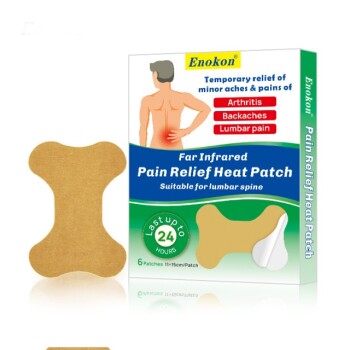
- Far Infrared Heat Pain Relief Patches Transdermal Patches
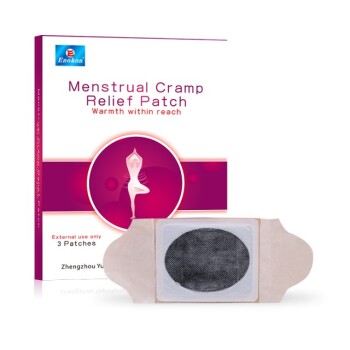
- Heating Pain Relief Patches for Menstrual Cramps
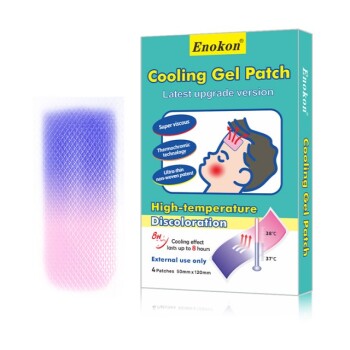
- Cooling Fever Patches Color Change Cold Fever Patch
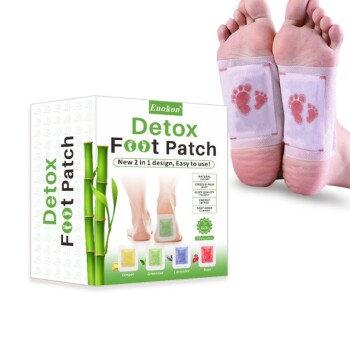
- Detox Foot Patches for Detoxification
People Also Ask
- How do pain relief patches provide targeted relief? Discover the Science Behind Effective Pain Management
- Are pain relief pills and patches available without a prescription? Choose the Right OTC Pain Relief
- How do pain relief patches compare to oral painkillers? Targeted Relief vs. Systemic Effects
- What are pain relief patches? Discover Targeted, Drug-Free Pain Management Solutions
- What are pain relief patches and how are they used? A Guide to Safe, Targeted Relief