
At its core, using a fentanyl patch requires understanding that its effects can be dangerously amplified by interactions with other specific medications, medical conditions, and even external heat sources. The most critical interactions involve other central nervous system depressants, MAO inhibitors, and drugs like naltrexone that block opioid effects.
The potency of the fentanyl patch means that safety extends beyond avoiding certain drugs. Your primary goal must be to prevent anything that could accidentally increase the rate of medication absorption, as this can quickly lead to a life-threatening overdose.
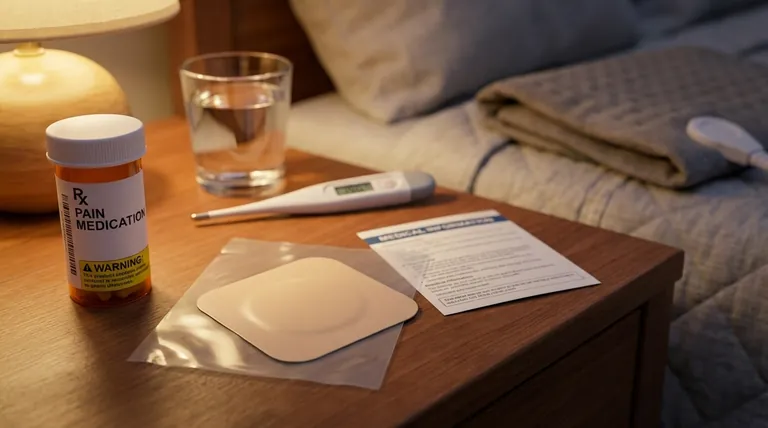
Critical Drug Interactions to Avoid
When fentanyl is combined with certain other substances, the risk of severe side effects like respiratory depression (dangerously slowed breathing), profound sedation, and coma increases dramatically.
Central Nervous System (CNS) Depressants
Any medication or substance that slows down brain activity can have a dangerous additive effect with fentanyl. This includes frequent alcohol use and other pain medications. It is imperative to disclose all medications to your provider.
MAO Inhibitors
Combining fentanyl with Monoamine Oxidase (MAO) inhibitors, or using fentanyl within 14 days of taking an MAOI, can cause a serious, potentially fatal drug interaction.
Opioid Antagonists and Partial Agonists
Certain medications are designed to block or partially block the effects of opioids. Using products like naltrexone or samidorphan will interfere with fentanyl's pain-relieving action and can trigger withdrawal symptoms.
Interactions with Medical Conditions
Your personal health history directly impacts the safety profile of the fentanyl patch. Conditions that compromise your body's key systems can make you more vulnerable to severe side effects.
Pre-existing Health Issues
Inform your healthcare provider if you have a history of brain conditions (like a tumor or head injury), lung disease, or impaired kidney or liver function. These conditions can alter how your body processes the medication and increase the risk of adverse events.
The Integrity of Your Skin
The patch must only be applied to intact, healthy skin. Do not apply it over burns, cuts, rashes, or any irritated areas. Damaged skin can cause the medication to be absorbed too quickly and unpredictably.
Environmental and Lifestyle Interactions
How you live your daily life and the environment you are in can directly influence the dose of medication you receive from the patch.
The Critical Role of Temperature
Heat significantly increases the absorption of fentanyl through the skin. Avoid exposing the patch area to any direct heat sources, including heating pads, electric blankets, hot tubs, or prolonged direct sunlight. Even a high fever can increase absorption.
Physical Activities and Procedures
The sedative effects of fentanyl can impair your judgment and motor skills. You must avoid driving or operating heavy machinery until you know how the medication affects you.
Medical and Surgical Procedures
You must inform all healthcare personnel that you are using a fentanyl patch before any surgery or medical procedure. The patch must be removed before an MRI or cardioversion to prevent the risk of skin burns at the patch site.
Common Pitfalls and Risks
Beyond direct interactions, safe handling and awareness of potential complications are crucial for preventing accidental harm to yourself or others.
The Danger of Accidental Exposure
Fentanyl is extremely potent, and even a used patch contains enough medication to be fatal to a child or pet. Always wash your hands after handling a patch. When disposing of a used patch, fold it so the sticky sides press together and dispose of it immediately in a secure location.
Recognizing Signs of an Overdose
It is vital to know the signs of too much medication. Seek immediate medical help if you experience dangerously slow breathing, extreme sleepiness, confusion, or dizziness. Similarly, report signs of low adrenal function (nausea, unusual weakness) or low blood pressure (fainting).
How to Ensure Safe and Effective Use
Your approach to using the fentanyl patch should be guided by a clear understanding of your personal health profile and daily activities.
- If you take any other prescription or over-the-counter medication: Disclose every single product to your doctor and pharmacist to screen for potential interactions.
- If you have a chronic health condition: Discuss how your specific condition (e.g., lung or liver disease) might alter your body's response to fentanyl.
- If your lifestyle involves exposure to heat or strenuous activity: Talk to your provider about managing these situations to ensure a stable and safe dose.
- If you are preparing for any medical procedure: Always inform the medical team, including radiologists and surgeons, that you are wearing a fentanyl patch.
Ultimately, your safety depends on maintaining open and constant communication with your healthcare provider about all aspects of your health and lifestyle.
Summary Table:
| Interaction Category | Key Risks & Examples |
|---|---|
| Drug Interactions | CNS depressants (alcohol, other pain meds), MAO inhibitors, opioid antagonists (naltrexone). Risk: Severe respiratory depression, coma. |
| Medical Conditions | Lung disease, kidney/liver impairment, brain conditions, broken skin. Risk: Altered drug processing, rapid absorption. |
| Environmental Factors | Direct heat (heating pads, hot tubs, fever), MRI procedures. Risk: Dangerously increased medication absorption. |
Ensure the safety and efficacy of your transdermal pain management products. Partner with Enokon, a bulk manufacturer of reliable transdermal patches and pain plasters for healthcare and pharmaceutical distributors and brands. Benefit from our technical expertise for custom R&D and development, ensuring your products are formulated and manufactured to the highest safety standards. Contact our experts today to discuss your specific needs.
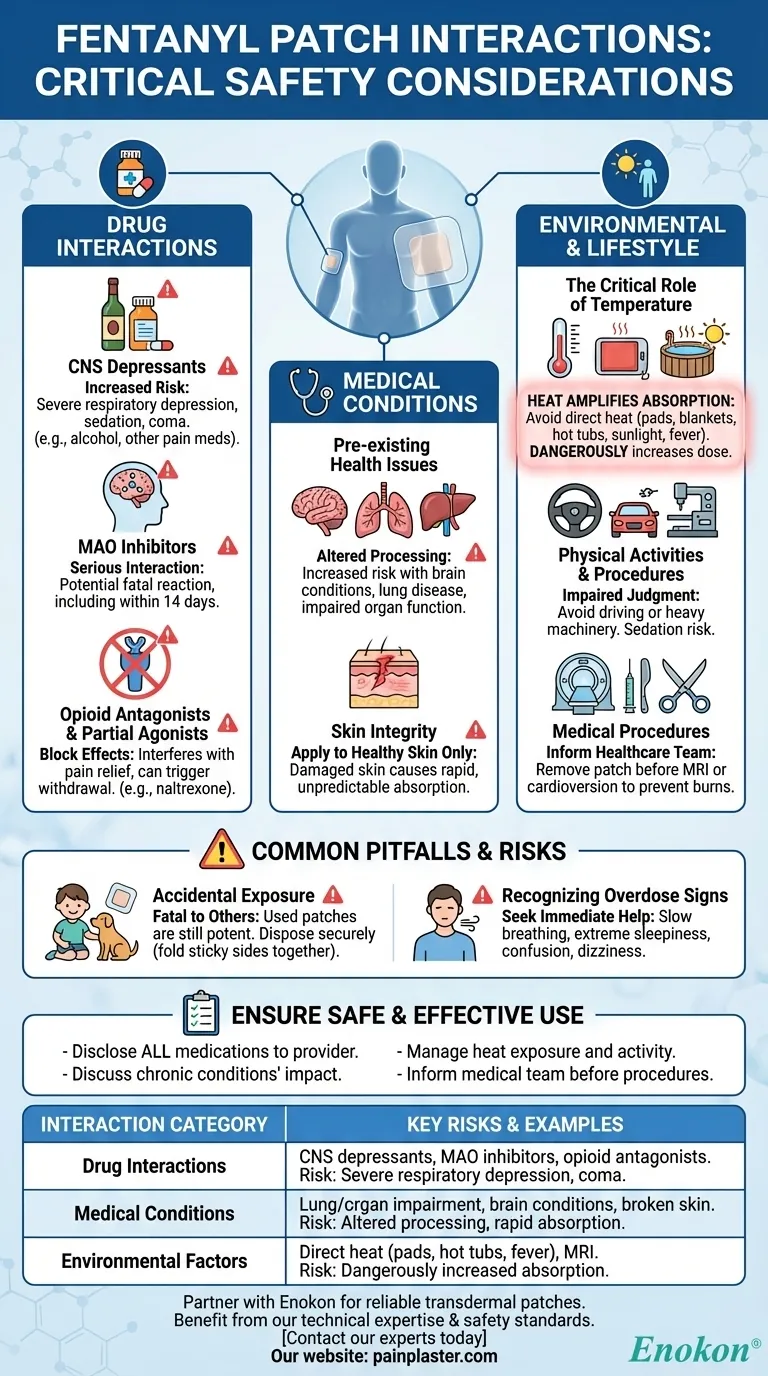
Visual Guide
Related Products
- Menthol Gel Pain Relief Patch
- Icy Hot Menthol Medicine Pain Relief Patch
- Lidocaine Hydrogel Pain Relief Patch for Pain Relief
- Far Infrared Pain Patch Relief Pain Reliever for Back
- Far Infrared Heat Pain Relief Patches Transdermal Patches
People Also Ask
- How do pain relief patches compare to other pain relief methods? Discover Targeted, Long-Lasting Relief
- How effective are pain relief patches for muscle pain? Target Localized Pain with Transdermal Delivery
- Who should consult a healthcare professional before using pain relief patches? Ensure Your Safety with Medical Advice
- What are the potential side effects of pain relief patches? A Guide to Safe Use & Key Risks
- What are some common applications of pain relief patches? Effective Relief for Muscle & Joint Pain



















