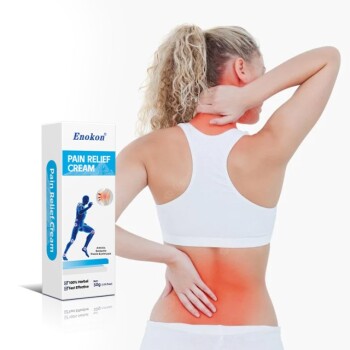
Topical Capsaicin functions primarily by depleting Substance P in peripheral sensory nerve endings. This biochemical mechanism interrupts the transmission of pain signals from the site of the infection to the central nervous system. By exhausting the supply of this specific neurotransmitter, the treatment effectively desensitizes the area to the chronic pain often associated with Herpes Zoster.
Core Takeaway Capsaicin does not merely mask pain; it biochemically alters the nerve's ability to transmit it. By targeting C-fiber nerve endings and forcing the depletion of Substance P, it creates a state of local desensitization that relieves Postherpetic Neuralgia.
The Role of Substance P in Pain Transmission
The Messenger of Pain
Substance P is a critical neuropeptide found in the human body. Its primary function in this context is acting as a neurotransmitter that relays pain signals from peripheral nerves to the spinal cord and brain.
The Target: C-Fiber Nerve Endings
Capsaicin specifically targets the C-fiber nerve endings in the skin. These fibers are responsible for transmitting signals related to chronic, throbbing, or burning pain, which are characteristic of Herpes Zoster complications.
Disruption of Signaling
When Substance P is present in abundance, pain signals flow freely. To stop the pain, one must interrupt this chemical messenger system at the source.
The Biochemical Mechanism of Action
Induced Release and Depletion
Upon application, Capsaicin stimulates the release of Substance P from the sensory nerve endings. While this may seem counterintuitive, the goal is to trigger this release continuously until the nerve's supply is exhausted.
Achieving Desensitization
Once the reserves of Substance P are depleted, the nerve endings can no longer transmit pain signals effectively. This state is known as desensitization.
Long-term Relief through Maintenance
Because the mechanism relies on keeping Substance P levels low, regular application is necessary. This continuous suppression creates a sustained analgesic effect, alleviating the chronic neuropathic pain of Postherpetic Neuralgia.
Clinical Context and Constraints
Timing is Critical
It is vital to understand the proper timing for this intervention. Capsaicin is indicated for use in step-therapy protocols only after the skin lesions from Herpes Zoster have completely healed.
An Auxiliary Option
Capsaicin serves as a non-steroidal, auxiliary analgesic. It is generally used to shorten the overall duration of the pain course when other methods may need supplementation or avoidance.
Localized Effect
Unlike systemic painkillers that affect the whole body, Capsaicin topical formulations (ointments or patches) act strictly as local agents. They modify pain receptors only in the specific area of application.
Making the Right Choice for Your Goal
To utilize Capsaicin effectively for Herpes Zoster-associated pain, consider the current stage of the condition and the patient's needs.
- If your primary focus is Understanding the Mechanism: Remember that relief is achieved through the depletion of Substance P, not by numbing the skin like an anesthetic.
- If your primary focus is Clinical Application: Ensure the treatment is introduced only after skin lesions have healed to manage residual neuralgia or Postherpetic Neuralgia.
- If your primary focus is Pain Management Strategy: Use this as an auxiliary therapy to shorten the pain course and reduce reliance on systemic steroids or opioids.
By maintaining a schedule of regular application, you transform a potent pepper extract into a precise biochemical tool for neural desensitization.
Summary Table:
| Feature | Details |
|---|---|
| Primary Mechanism | Depletion of the neurotransmitter Substance P |
| Target Area | C-fiber nerve endings in the peripheral sensory system |
| Effect | Local desensitization and interruption of pain signaling |
| Ideal Timing | Introduced only after Herpes Zoster skin lesions have fully healed |
| Therapy Role | Non-steroidal, auxiliary analgesic for Postherpetic Neuralgia |
Partner with Enokon for Advanced Pain Relief Solutions
Are you looking to expand your product line with high-efficacy pain management tools? Enokon is a trusted brand and leading manufacturer specializing in wholesale transdermal patches and custom R&D solutions for global markets.
We provide a comprehensive range of transdermal drug delivery products (excluding microneedle technology), including:
- Targeted Pain Relief: Capsicum (Capsaicin), Lidocaine, Menthol, and Herbal patches.
- Specialized Care: Far Infrared pain relief, Medical Cooling Gel, Eye Protection, and Detox patches.
Whether you need customized formulations or bulk wholesale supply, Enokon delivers the expertise and manufacturing precision your brand deserves. Contact us today to discuss your R&D needs or wholesale orders!
References
- Lyn Guenther. Herpes zoster and postherpetic neuralgia. DOI: 10.1586/17469872.1.4.607
This article is also based on technical information from Enokon Knowledge Base .
Related Products
- Capsaicin Chili Medicated Pain Relief Patches
- Heat Relief Capsicum Patch for Lower Back Pain Relief
- Menthol Gel Pain Relief Patch
- Icy Hot Menthol Medicine Pain Relief Patch
- Natural Herbal Tube Cream for Pain Relief Analgesic Cream
People Also Ask
- What conditions should be reported to a care team before using capsaicin patches? Ensure Safe Pain Relief
- What conditions can capsaicin creams and patches help relieve? Find Targeted Pain Relief for Nerves & Joints
- What are the uses of nonprescription capsaicin patches? Natural Pain Relief for Muscles & Joints
- What should be avoided while using capsaicin patches? Essential Safety Tips for Effective Pain Relief
- What precautions should be taken when using capsaicin patches? A Guide to Safe and Effective Pain Relief