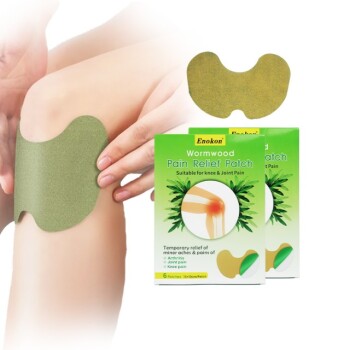
The drug-impermeable backing film is the critical outermost layer of a reservoir-type transdermal patch. Its primary function is to act as a high-barrier physical container that prevents active pharmaceutical ingredients (APIs) from leaking or evaporating outward into the environment. By forcing the medication to diffuse unidirectionally through the rate-controlling membrane and into the patient's skin, it ensures precise dosing, maximizes bioavailability, and maintains the structural integrity of the delivery system throughout its wear time.
The backing film serves as the "engine housing" for the reservoir system, ensuring pharmaceutical stability and predictable therapeutic outcomes by enforcing a strictly one-way path for drug delivery while protecting the formulation from external degradation.
The Strategic Role of High-Barrier Materials
Enforcing Unidirectional Drug Release
The most vital technical function of the backing film is to ensure unidirectional diffusion. In a reservoir system, the drug is held in a liquid or gel form; without a truly impermeable outer layer, the API would migrate in all directions.
By utilizing high-barrier materials like composite aluminum foil or specialized polyester films, manufacturers ensure the drug can only move toward the skin. This controlled path is what allows brand owners to guarantee the specific pharmacokinetic profile required for regulatory approval.
Preventing Formulation Leakage and Volatilization
Reservoir patches often contain volatile components or liquid gels that are susceptible to evaporation and leakage. The backing film acts as a hermetic seal, keeping the API and excipients entirely within the designated storage space.
This containment is essential for maintaining a consistent concentration gradient. If the solvent or drug were to volatilize through the backing, the delivery rate would fluctuate, leading to sub-therapeutic dosing or potential safety issues.
Engineering for Enterprise-Scale Reliability
Mechanical Strength and Structural Integrity
Beyond its chemical barrier properties, the backing film provides the mechanical framework for the entire patch. It must be robust enough to withstand the physical stresses of manufacturing, packaging, and daily patient wear without tearing or delaminating.
For B2B partners, this structural reliability is a key quality metric. High-tensile strength materials ensure that high-volume production lines can operate at maximum capacity without compromising the physical stability of the individual units.
Protection Against Environmental Contaminants
The backing film protects the sensitive drug reservoir from external moisture, oxygen, and light. Contaminants can degrade the API or alter the gel's viscosity, which directly impacts the shelf life of the product.
Utilizing medical-grade composite membranes ensures that the patch remains stable during long-term storage in various global climates. This environmental resistance is a hallmark of GMP-certified manufacturing and is crucial for maintaining brand reputation in international markets.
Understanding the Trade-offs
Flexibility vs. Barrier Performance
Selecting the right backing material involves a delicate balance between occlusivity and patient comfort. While thicker aluminum composites offer superior barrier properties, they may lack the flexibility required for patches applied to joint areas or contoured skin.
Adhesion and Delamination Risks
The interface between the backing film and the rest of the patch structure is a common point of failure. If the material is not chemically compatible with the reservoir's contents, delamination can occur, leading to total product failure and costly market recalls.
Selecting the Right Specification for Your Project
Choosing the appropriate backing film is a foundational R&D decision that impacts everything from manufacturing yield to patient compliance. Your choice should align with the specific chemical nature of your API and your target market's expectations.
- If your primary focus is Maximum Potency and Volatile APIs: Prioritize composite aluminum foil backing to provide the highest possible barrier against volatilization and molecular migration.
- If your primary focus is Patient Comfort and Long-Wear Applications: Opt for high-barrier polyester or polymer laminates that offer a balance of "breathability" and flexibility without sacrificing unidirectional drug flow.
- If your primary focus is Global Supply Chain Stability: Ensure your OEM partner uses medical-grade, multi-layer films that meet stringent international GMP standards for moisture and oxygen transmission rates (OTR/WVTR).
The correct backing film is the silent guardian of transdermal efficacy, ensuring every milligram of your formulation reaches its intended target safely and reliably.
Summary Table:
| Key Function | Technical Benefit | Material Examples |
|---|---|---|
| Unidirectional Flow | Forces API toward skin for precise pharmacokinetics | Composite Aluminum Foil |
| Leakage Prevention | Hermetically seals volatile gels and liquid formulations | High-barrier Polyester |
| Environmental Shield | Blocks oxygen, moisture, and light to extend shelf life | Multi-layer Laminates |
| Structural Integrity | Provides mechanical strength for high-volume production | Medical-grade Polymers |
Scale Your Transdermal Product Line with Enokon
As a trusted brand and manufacturer, Enokon provides enterprise-level manufacturing scale and R&D prowess to brand owners, distributors, and wholesalers worldwide. We specialize in turnkey contract R&D and custom formulations, ensuring your products meet stringent global quality standards in our GMP-certified facilities.
Our comprehensive range of high-performance transdermal solutions (excluding microneedle technology) includes:
- Pain Relief: Lidocaine, Menthol, Capsicum, Herbal, and Far Infrared patches.
- Specialty Care: Eye Protection, Detox, and Medical Cooling Gel patches.
Whether you need a reliable OEM/ODM partner for high-volume delivery or a custom formulation to gain a competitive edge, Enokon delivers the stability and supply reliability your business demands.
Contact us today for custom R&D and wholesale pricing
References
- Chandra Amrish, Pramod Kumar Sharma. Transdermal Delivery of Ketorolac. DOI: 10.1248/yakushi.129.373
This article is also based on technical information from Enokon Knowledge Base .
Related Products
- Silicone Scar Sheets Patch Transdermal Drug Patch
- Far Infrared Heat Pain Relief Patches Transdermal Patches
- Far Infrared Pain Patch Relief Pain Reliever for Back
- Menthol Gel Pain Relief Patch
- Icy Hot Menthol Medicine Pain Relief Patch
People Also Ask
- What is the function of PDMS-NH2 in silicone patches? Catalyzing Room-Temp Curing for Heat-Sensitive APIs
- What role does a silicone-based transdermal delivery system play in Parkinson's? Enhancing Early-Stage Patient Care
- Why is TEOS used as a cross-linking agent in silicone transdermal patches? Ensure Structural Integrity & Drug Stability
- How do PEG 200 and Glycerol modify silicone transdermal patches? Optimize Drug Release and Patch Flexibility
- How is the long-term skin tolerance of silicone-based transdermal patches evaluated in clinical settings? R&D and Safety