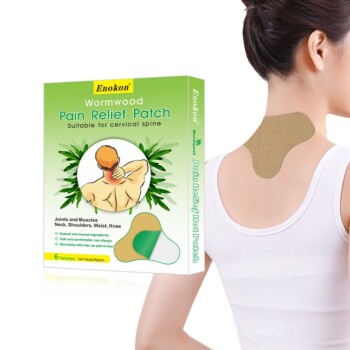
The release liner is the silent guardian of transdermal efficacy. A high-quality release liner serves as the primary barrier protecting the drug-containing adhesive layer from evaporation, oxidation, and environmental degradation. Its quality directly dictates whether a patch remains clinically effective throughout its shelf life or fails to deliver its intended dose due to ingredient migration or physical damage.
Core Takeaway: Selecting a premium release liner is a strategic decision that ensures chemical stability, dose accuracy, and a seamless user experience. It transforms a simple patch into a reliable medical delivery system by maintaining the integrity of the adhesive and the drug matrix.
Ensuring Chemical Stability and Dose Accuracy
Prevention of Active Ingredient Migration
Because the release liner is in direct contact with the drug matrix, it must be chemically inert. High-quality liners, often treated with specialized fluorocarbon or silicone coatings, prevent the drug or chemical enhancers from migrating out of the adhesive layer.
This inertness ensures that the patient receives the exact prescribed dose rather than a diminished amount due to absorption by the liner itself. In a professional B2B manufacturing context, this chemical compatibility is verified through rigorous R&D stability testing.
Protection Against Environmental Factors
A high-quality liner acts as a dense physical shield during long-term storage and transportation. It prevents the loss of volatile components and protects the pressure-sensitive adhesive (PSA) from oxidation or moisture ingress.
Without this protection, the drug matrix can lose its clinical activity or become brittle. For brand owners, this stability is the difference between a successful two-year shelf life and a costly product recall.
Optimizing the User Experience and Clinical Efficacy
The Critical Role of Low Peel Force
High-quality liners are engineered for low peel force, allowing users to remove the film effortlessly. If the peel force is too high, the user may inadvertently damage the delicate internal drug coating structure or stretch the patch.
This ease of use is essential for patient compliance, particularly for elderly users or those with limited dexterity. A smooth, residue-free removal ensures the patch remains intact and ready for skin application.
Maintaining Adhesive Integrity and Tack
A premium liner ensures that the pressure-sensitive adhesive remains aggressive enough to stick to the skin but does not leave residue on the liner itself. Low-quality liners may "strip" the adhesive or leave impurities behind, compromising the patch's ability to stay attached for the duration of the treatment.
For distributors and wholesalers, providing a product that functions perfectly every time is vital for building brand trust and long-term market share.
Strategic Manufacturing and Scalability
Leveraging Enterprise-Level R&D
Selecting a liner is not a "one-size-fits-all" process; it requires deep technical expertise to match the liner material (such as polyester or polyethylene) to the specific drug formulation. A partner with turnkey R&D capabilities can develop custom formulations that optimize the interface between the adhesive and the liner.
Global Certification and Quality Control
In GMP-certified facilities, every batch of release liners undergoes stringent quality control to ensure uniform thickness and coating distribution. This level of precision is only possible at an enterprise manufacturing scale, where high-volume delivery meets uncompromising global standards.
Understanding Potential Pitfalls
Incompatibility with Polar Adhesives
A common mistake in production is using a standard silicone liner with a polar pressure-sensitive adhesive, which can lead to "adhesive transfer" where the glue sticks to the liner rather than the backing film. Expert manufacturers avoid this by utilizing fluoropolymer-coated liners specifically designed for more complex drug-in-adhesive systems.
Substrate Fragility
Low-cost liners may be prone to tearing or pinholing during high-speed automated packaging. This compromises the sterile barrier and leads to product failure, highlighting the importance of using durable, high-purity substrates that can withstand the rigors of mass production.
Choosing the Right Liner for Your Project
Recommendations for Brand Owners and Resellers
- If your primary focus is long-term shelf stability: Prioritize chemically inert, high-density polyester liners with advanced fluorocarbon coatings to prevent drug migration.
- If your primary focus is patient compliance and experience: Focus on liners with ultra-low, consistent peel force specifications to ensure effortless application.
- If your primary focus is high-volume market penetration: Partner with an OEM that offers GMP-certified, large-scale production to ensure a reliable supply of uniform, high-quality components.
Selecting the right release liner is a fundamental investment in the safety, reliability, and commercial success of your transdermal product line.
Summary Table:
| Key Feature | Benefit for Transdermal Efficacy | Business & Manufacturing Impact |
|---|---|---|
| Chemical Inertness | Prevents drug migration into the liner; ensures exact dosing. | Maintains potency throughout a 2-year shelf life. |
| Low Peel Force | Allows effortless removal without damaging the adhesive matrix. | Enhances patient compliance and user satisfaction. |
| Physical Barrier | Shields the adhesive from oxidation, moisture, and evaporation. | Reduces risk of product recalls and degradation. |
| Substrate Durability | Resists tearing or pinholing during high-speed packaging. | Enables efficient, high-volume automated production. |
| Precision Coating | Ensures residue-free removal and maintains adhesive tack. | Guarantees brand reliability and product quality. |
Elevate Your Brand with Enokon’s Manufacturing Excellence
Are you looking for a reliable partner to scale your transdermal product line? Enokon is a trusted brand and manufacturer specializing in high-volume, wholesale transdermal patches and turnkey R&D solutions. Our GMP-certified facilities ensure every patch—from Lidocaine, Menthol, and Capsicum pain relief to Eye Protection, Detox, and Medical Cooling Gel patches—meets the highest global standards for stability and dose accuracy.
Why partner with Enokon?
- Turnkey R&D: Custom formulations and specialized liner selection for complex drug-in-adhesive systems.
- Massive Capacity: Enterprise-level manufacturing scale to support distributors and B2B resellers with reliable delivery.
- Global Standards: Stringent quality control and comprehensive certifications (Note: We specialize in traditional transdermal technology and do not produce microneedle products).
- High Profit Margins: Optimize your supply chain with our competitive wholesale manufacturing.
Ready to bring your custom formulation to life or secure a high-volume supply?
Contact Enokon Today for a Consultation
References
- Mandeep Kaur heir, Sachin Sharma. Transdermal Drug Delivery System. DOI: 10.35652/igjps.2019.92s53
This article is also based on technical information from Enokon Knowledge Base .
Related Products
- Silicone Scar Sheets Patch Transdermal Drug Patch
- Far Infrared Heat Pain Relief Patches Transdermal Patches
- Menthol Gel Pain Relief Patch
- Icy Hot Menthol Medicine Pain Relief Patch
- Mugwort Wormwood Pain Relief Patch for Neck Pain
People Also Ask
- What is the function of PDMS-NH2 in silicone patches? Catalyzing Room-Temp Curing for Heat-Sensitive APIs
- What role does a silicone-based transdermal delivery system play in Parkinson's? Enhancing Early-Stage Patient Care
- Why is TEOS used as a cross-linking agent in silicone transdermal patches? Ensure Structural Integrity & Drug Stability
- How do PEG 200 and Glycerol modify silicone transdermal patches? Optimize Drug Release and Patch Flexibility
- How is the long-term skin tolerance of silicone-based transdermal patches evaluated in clinical settings? R&D and Safety