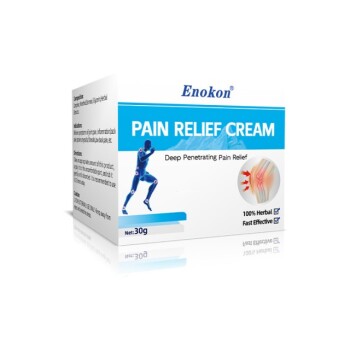
The localized analgesic effect of topical Capsaicin is achieved through the targeted depletion of Substance P. This natural alkaloid selectively binds to TRPV1 receptors on small peripheral nerve fibers, specifically the unmyelinated C-fiber nociceptors. By initially inducing the release and then systematically preventing the re-synthesis and reuptake of Substance P, Capsaicin desensitizes local pain receptors and interrupts the transmission of pain signals to the central nervous system.
Topical Capsaicin provides effective neuropathic pain relief by chemically desensitizing peripheral nociceptors through the systematic depletion of Substance P. This mechanism offers a localized, non-systemic therapeutic pathway that is highly effective for chronic neuralgia while avoiding the side effects of oral medications.
The Biological Pathway of Peripheral Desensitization
Selective TRPV1 Receptor Interaction
Capsaicin acts as a selective agonist for Transient Receptor Potential Vanilloid 1 (TRPV1) receptors. These receptors are located primarily on the small, peripheral nerve fibers responsible for detecting noxious stimuli.
When applied topically, the alkaloid penetrates the skin to reach these nociceptors. The initial interaction triggers a localized chemical response that is the foundation of its therapeutic value.
The Role of Substance P Depletion
Substance P is the primary neurotransmitter responsible for relaying pain impulses from the peripheral nerves to the brain. Capsaicin induces a massive release of this neuropeptide, followed by a period of total depletion.
By inhibiting the de-novo synthesis and reuptake of Substance P, the nerve endings lose their ability to transmit pain signals. This results in a significant increase in the local pain threshold, providing a lasting analgesic effect.
Chemical Desensitization of C-Fibers
The process is often described as chemical desensitization. Unlike systemic drugs, this mechanism specifically targets the "source" of the pain at the skin’s sensory nerve endings.
For patients with high levels of local nerve sensitization, this targeted approach is highly effective. The effect is localized and fully reversible, allowing the nerves to regain normal function once treatment is discontinued.
Commercial Advantages of Topical Formulations
Avoiding Systemic Side Effects
One of the primary drivers for the adoption of Capsaicin-based treatments is the lack of central nervous system (CNS) involvement. Oral anticonvulsants or antidepressants often cause drowsiness, dizziness, and cognitive impairment.
Topical delivery ensures that the active ingredient remains localized to the site of pain. This makes Capsaicin preparations a preferred choice for B2B resellers looking to offer high-tolerance solutions for aging populations or chronic pain patients.
High-Concentration Efficacy
Modern R&D has led to the development of high-concentration formulations, such as the 8% Capsaicin patch. These advanced preparations can induce long-term desensitization after a single application.
These high-potency products significantly improve patient compliance by providing relief that lasts for several weeks. For brand owners, these specialized formulations represent a high-value entry into the professional healthcare market.
Understanding the Trade-offs and Pitfalls
Initial Sensory Hypersensitivity
Because the mechanism begins with the release of Substance P, many patients experience a "burning" sensation or redness upon initial application. This is a physiological response to the receptor activation before depletion occurs.
Distributors must ensure that marketing materials clearly communicate this initial phase to manage end-user expectations. This transient irritation is the biological precursor to the eventual analgesic effect.
Consistency and Formulation Stability
The efficacy of Capsaicin is highly dependent on the transdermal delivery system. If the formulation does not allow for deep enough penetration to reach the C-fibers, the depletion of Substance P will be incomplete.
Choosing a partner with GMP-certified facilities and proven R&D expertise is critical to ensuring product stability. Inferior formulations often suffer from inconsistent dosing, leading to poor clinical outcomes and brand erosion.
Strategic Selection for Your Product Line
Developing a successful Capsaicin-based product requires balancing potency with patient comfort and manufacturing precision.
- If your primary focus is the retail consumer market: Prioritize lower-concentration ointments (0.025% to 0.1%) that offer a gentle introduction to desensitization therapy for general neuralgia.
- If your primary focus is professional clinical use: Focus on high-concentration patches or specialized transdermal gels that offer long-lasting relief and high-volume delivery reliability.
- If your primary focus is brand differentiation: Invest in custom R&D to combine Capsaicin with soothing agents or innovative delivery vehicles that minimize the initial burning sensation.
By leveraging a manufacturing partner with massive production capacity and stringent quality control, you can deliver a reliable, high-potency analgesic that meets the rigorous demands of the global neuropathic pain market.
Summary Table:
| Feature | Mechanism of Action | Business Benefit |
|---|---|---|
| Target Receptor | TRPV1 selective agonist | Highly targeted, localized relief |
| Neurotransmitter | Substance P depletion | Long-term interruption of pain signals |
| Delivery Path | Transdermal (Non-systemic) | Avoids oral drug side effects (drowsiness) |
| R&D Potential | Adjustable concentrations | Scalable from retail to clinical markets |
Scale Your Pain Relief Brand with Enokon’s Manufacturing Expertise
Are you looking to capture the growing neuropathic pain market with high-potency, reliable formulations? Enokon is your trusted manufacturer and partner for wholesale transdermal patches and custom R&D solutions. We help brand owners and distributors bridge the gap between complex science and market-ready products.
Why Partner with Enokon?
- Turnkey Contract R&D: Custom formulations (Capsicum/Capsaicin, Lidocaine, Menthol, and more) tailored to your target audience.
- Enterprise-Level Scale: Massive production capacity with GMP-certified facilities and global certifications to ensure supply reliability.
- Proven Quality: Stringent quality control for consistent transdermal delivery and high patient compliance.
- Diverse Portfolio: From medical cooling gels to herbal and far-infrared pain relief (excluding microneedle technology).
Ready to launch your high-margin product line? Contact us today to discuss your custom project!
References
- Nazma Akter. Diabetic Peripheral Neuropathy: Epidemiology, Physiopathology, Diagnosis and Treatment. DOI: 10.3329/dmcj.v7i1.40619
This article is also based on technical information from Enokon Knowledge Base .
Related Products
- Capsaicin Chili Medicated Pain Relief Patches
- Menthol Gel Pain Relief Patch
- Herbal Pain Relief Cream Pain Relieving Creams
- Icy Hot Menthol Medicine Pain Relief Patch
- Natural Herbal Tube Cream for Pain Relief Analgesic Cream
People Also Ask
- What conditions should be reported to a care team before using capsaicin patches? Ensure Safe Pain Relief
- What conditions can capsaicin creams and patches help relieve? Find Targeted Pain Relief for Nerves & Joints
- What are the uses of nonprescription capsaicin patches? Natural Pain Relief for Muscles & Joints
- What should be avoided while using capsaicin patches? Essential Safety Tips for Effective Pain Relief
- What precautions should be taken when using capsaicin patches? A Guide to Safe and Effective Pain Relief