
To use capsaicin patches safely, you must apply them only to clean, dry, and unbroken skin, avoiding sensitive areas like the face, eyes, or scalp. It is critical to wash your hands thoroughly with soap and water both before and after handling the patch to prevent accidental transfer of the active ingredient. For several days after treatment, the affected area will be highly sensitive to heat, so you must avoid direct sun, hot showers, heating pads, and vigorous exercise.
The core principle of capsaicin patch safety is twofold: prevent unintended exposure to sensitive areas and meticulously manage the treated skin's heightened sensitivity to heat to avoid severe irritation and burns.
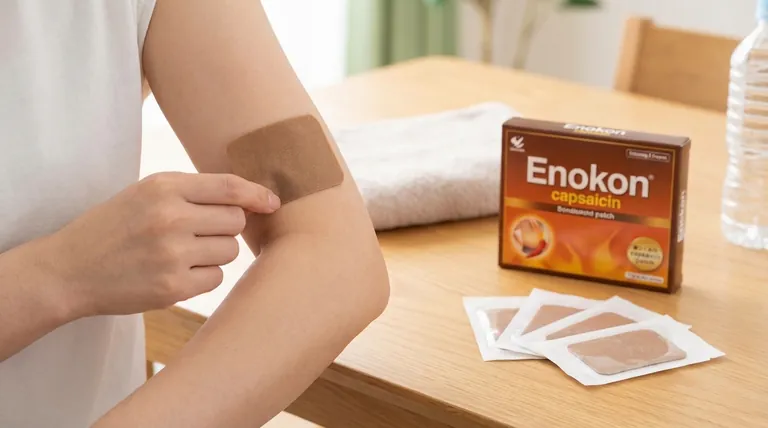
Proper Application: The First Line of Defense
Correct application is not just about effectiveness; it is your primary safety measure. Mishandling the patch can lead to intense discomfort or skin damage.
Prepare the Application Site
The patch should only be applied to a clean, dry, and relatively hairless area of skin.
Crucially, do not apply capsaicin to skin that is broken, cut, infected, irritated, or covered in a rash. This ensures the powerful active ingredient works on the surface and is not absorbed in a way that could cause systemic issues or excessive pain.
Avoid All Sensitive Areas
Never apply a capsaicin patch to your face, scalp, eyes, nose, or mouth. These areas are far too sensitive for the intense heat the patch generates.
Practice Strict Hand Hygiene
Wash your hands thoroughly with soap and water immediately after applying or removing the patch.
This step is non-negotiable. Any capsaicin residue on your fingers can be easily transferred to your eyes or other mucous membranes, causing significant pain and burning.
Handle the Patch with Care
Avoid touching the adhesive side of the patch during application. If you are using a high-concentration prescription patch, your healthcare provider will handle it to minimize your exposure.
When removing a patch, do so gently. Peeling it off too quickly can cause capsaicin particles to become airborne, potentially irritating your eyes or respiratory system.
Managing Post-Application Sensitivities
After the patch is applied or removed, the treated skin enters a state of heightened sensitivity. Your primary responsibility during this time is managing its exposure to heat.
The Crucial Role of Heat
The treated area will feel hotter in response to any heat source for several days. What would normally feel warm can feel like a painful burn.
Avoid Direct Heat Sources
Do not use heating pads, electric blankets, heat lamps, or hair dryers near the treated area. You must also avoid saunas, hot tubs, and prolonged, direct sun exposure on the affected skin.
Adjust Daily Activities
For nonprescription patches, remove the patch at least one hour before taking a shower or bath. Do not bathe or shower while wearing one.
Vigorous exercise should also be avoided, as the increase in body temperature and sweat can amplify the burning sensation on the treated skin.
Understanding the Trade-offs and Medical Risks
While effective for pain, capsaicin requires you to be aware of potential side effects and to communicate openly with your healthcare provider.
Common and Expected Irritation
It is normal to experience mild skin irritation, redness, dryness, or a burning sensation at the application site. These effects typically do not require medical attention unless they are severe or persist for an extended period.
For high-dose prescription patches, your doctor may even recommend pain medication to manage the discomfort during and immediately after treatment.
Signs of a Serious Reaction
You must report any signs of a serious allergic reaction to your care team immediately.
These signs include a significant skin rash, itching, hives, or swelling of the face, lips, tongue, or throat.
When to Consult Your Doctor First
Before using capsaicin, inform your doctor if you have high blood pressure, a history of heart attack or stroke, or are pregnant or breastfeeding.
It is also vital to disclose any known allergies to hot peppers, other medications, foods, dyes, or preservatives. Always provide your doctor with a complete list of all medications, supplements, and vitamins you are taking.
Making the Right Choice for Your Goal
Adhering to the correct precautions is the key to a safe and effective experience with capsaicin patches.
- If your primary focus is first-time use: Prioritize strict hand hygiene and apply the patch to a small, intact area to gauge your skin's reaction.
- If your primary focus is long-term pain management: Maintain an open dialogue with your doctor about all pre-existing conditions and other medications to avoid negative interactions.
- If your primary focus is avoiding discomfort: Be hyper-vigilant about avoiding all sources of heat on the treated area for several days after application.
By understanding and respecting these guidelines, you can safely leverage capsaicin's potent pain-relieving properties while minimizing potential risks.
Summary Table:
| Precaution Category | Key Action | Why It's Important |
|---|---|---|
| Application | Apply to clean, dry, unbroken skin only | Prevents excessive absorption and skin damage |
| Hand Hygiene | Wash hands thoroughly before and after handling | Avoids accidental transfer to eyes or sensitive areas |
| Heat Management | Avoid direct sun, hot showers, heating pads for days after | Prevents severe burning on sensitized skin |
| Medical Consultation | Discuss allergies, conditions (e.g., high blood pressure) with doctor | Ensures safe use and avoids negative drug interactions |
Need reliable, high-quality capsaicin patches for your patients or brand? As Enokon, a bulk manufacturer of proven transdermal patches and pain plasters, we partner with healthcare and pharmaceutical distributors to deliver safe, effective solutions. Benefit from our technical expertise for custom R&D and development to meet your specific needs. Contact our team today to discuss your requirements and elevate your pain management portfolio.
Visual Guide

Related Products
- Capsaicin Chili Medicated Pain Relief Patches
- Heat Relief Capsicum Patch for Lower Back Pain Relief
- Menthol Gel Pain Relief Patch
- Icy Hot Menthol Medicine Pain Relief Patch
- Lidocaine Hydrogel Pain Relief Patch for Pain Relief
People Also Ask
- What conditions should be reported to a care team before using capsaicin patches? Ensure Safe Pain Relief
- What conditions can capsaicin creams and patches help relieve? Find Targeted Pain Relief for Nerves & Joints
- What are the uses of nonprescription capsaicin patches? Natural Pain Relief for Muscles & Joints
- What should be avoided while using capsaicin patches? Essential Safety Tips for Effective Pain Relief
- What less common side effects may occur with the capsaicin patch? Recognizing Systemic & Rare Reactions



















