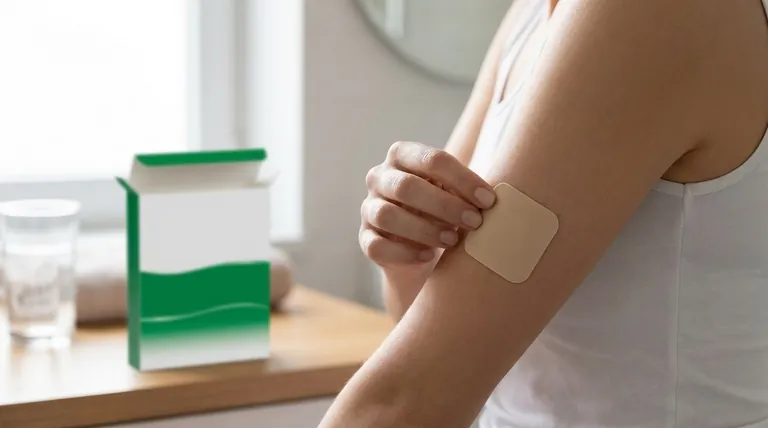
In short, the Ethinyl Estradiol; Norelgestromin patch is a hormonal contraceptive designed for pregnancy prevention. It is a small, adhesive patch that delivers a combination of two hormones—estrogen and progestin—through the skin into the bloodstream. This process systematically prevents ovulation, which is the monthly release of an egg from the ovary, thereby stopping a pregnancy before it can begin.
While the patch offers a convenient weekly alternative to daily pills, its effectiveness hinges on a precise application schedule. Understanding both its hormonal mechanism and its significant health considerations is crucial for safe and effective use.
How the Patch Works: A Hormonal Overview
The Role of Estrogen and Progestin
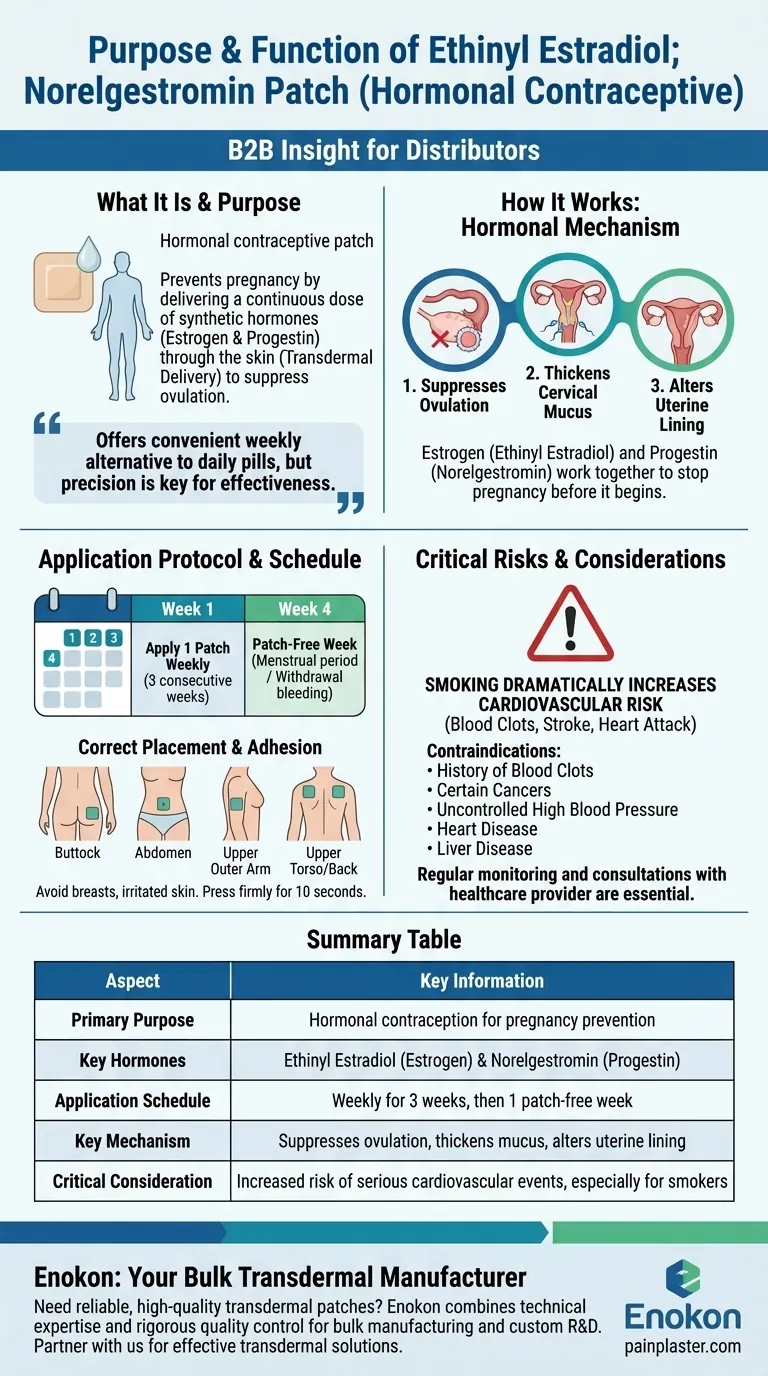
The patch releases a continuous dose of ethinyl estradiol (an estrogen) and norelgestromin (a progestin). These synthetic hormones work together to prevent pregnancy in three primary ways.
First, they suppress the hormonal surge that triggers ovulation, so no egg is released. Second, they thicken the cervical mucus, making it difficult for sperm to reach an egg if one were released. Finally, they alter the lining of the uterus, making it less receptive to a fertilized egg.
Transdermal Delivery
This method is known as transdermal delivery, meaning the hormones are absorbed directly through the skin. This provides a steady, consistent level of hormones in the body, which differs from the daily fluctuations that can occur with oral contraceptive pills.
The Application Protocol: Precision is Key
The Weekly Schedule
The patch is designed for a four-week (28-day) cycle. A new patch is applied once a week for three consecutive weeks (a total of 21 days).
The fourth week is "patch-free." No patch is worn during this week to allow for a menstrual period, also known as withdrawal bleeding. After seven patch-free days, a new patch is applied to begin a new cycle.
Correct Placement
The patch must be applied to skin that is clean, dry, and healthy. Approved locations include the buttock, abdomen, upper outer arm, or upper torso/back.
It is critical to avoid placing it on the breasts or on skin that is red, irritated, or cut. You should also choose a spot where it will not be rubbed by tight clothing.
Ensuring Adhesion
After applying a new patch, press down firmly on it with the palm of your hand for at least 10 seconds to ensure the edges are sealed and it is securely attached.
Understanding the Trade-offs and Risks
The Critical Warning on Smoking
Using hormonal contraceptives, including the patch, significantly increases the risk of serious cardiovascular events. This risk is dramatically higher for individuals who smoke.
Smoking while using the patch raises the risk of blood clots, stroke, and heart attack, particularly for women over the age of 35.
When This Patch Is Not an Option
A healthcare provider will screen for contraindications. This medication is generally not recommended for individuals with a history of certain conditions.
These include blood clots or blood vessel disease, certain cancers (like breast or uterine cancer), uncontrolled high blood pressure, heart disease, severe migraine headaches, or liver disease. A full medical history is essential.
Required Monitoring and Precautions
While using the patch, regular medical check-ups, including pelvic exams and Pap smears, are necessary to monitor your health.
Be aware of potential side effects like increased blood pressure or fluid retention. The patch can also increase sensitivity to the sun, so sun protection is advised.
Making the Right Choice for Your Health
This information is intended to help you have a productive conversation with your healthcare provider, who can assess your specific health needs.
- If your primary focus is convenience: The weekly application can be a significant advantage over daily pills, but it requires strict adherence to the schedule to remain effective.
- If your primary focus is safety: A thorough review of your personal and family medical history with a doctor is non-negotiable, especially regarding cardiovascular risks and your smoking status.
- If you are starting for the first time: Remember that a backup contraceptive method is typically required during the first week of use, as the patch needs time to become fully effective.
Understanding how the patch functions and its associated risks empowers you to make an informed decision about your contraceptive health.
Summary Table:
| Aspect | Key Information |
|---|---|
| Primary Purpose | Hormonal contraception for pregnancy prevention |
| Key Hormones | Ethinyl Estradiol (Estrogen) & Norelgestromin (Progestin) |
| Application Schedule | Once a week for 3 weeks, followed by 1 patch-free week |
| Key Mechanism | Suppresses ovulation, thickens cervical mucus, alters uterine lining |
| Critical Consideration | Increased risk of serious cardiovascular events, especially for smokers |
Need a reliable, high-quality transdermal patch?
As a bulk manufacturer of transdermal patches for healthcare and pharmaceutical distributors, Enokon combines technical expertise with rigorous quality control. We specialize in custom R&D and development to create effective and reliable transdermal solutions tailored to your brand's needs.
Let's discuss your project: Contact our experts today to explore how we can support your product development.
Visual Guide
Related Products
- Asthma Cough and Pain Relief Patch for Adults and Kids
- Herbal Medicated Anti Diarrhea Patch for Digestive Relief
- Prostate Pain Kidney Health Care Patch for Men
- Menthol Gel Pain Relief Patch
- Heating Pain Relief Patches for Menstrual Cramps
People Also Ask
- What role do natural ingredients and acupoint stimulation play in a cough relief patch? Synergistic Relief Explained
- What are the key benefits of using the cough relief patch? Soothe Your Cough with Targeted, Non-Oral Relief
- How does the cough relief patch provide targeted relief? Direct, Soothing Comfort for Coughs & Chest Congestion
- What makes the cough relief patch a convenient option for managing coughs? A Mess-Free, On-the-Go Solution
- What are the different types of pain relief patches available? Find the Right Solution for Your Pain