
Applying the asenapine patch involves a precise, multi-step process to ensure correct adhesion and medication delivery. The core steps include cleaning the skin, carefully opening the pouch, peeling the protective liner in two stages while pressing the patch firmly onto the skin, washing your hands afterward, and removing the patch after 24 hours.
The key to successful treatment is not just the application itself, but understanding how to maintain consistent adhesion and dosage every day while being aware of critical safety precautions, especially regarding heat and water exposure.
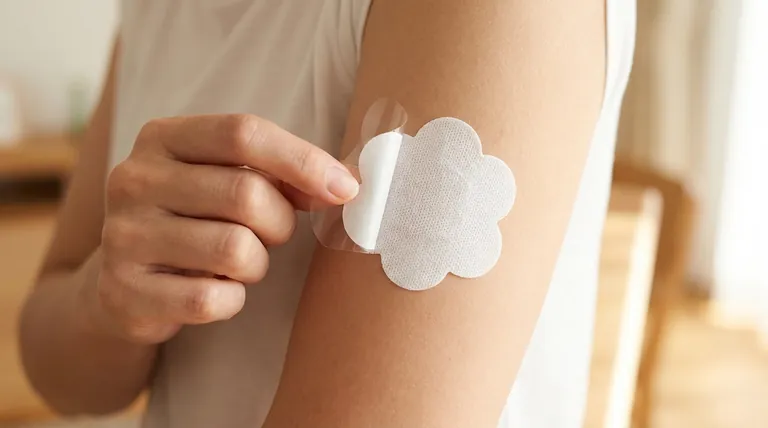
The Step-by-Step Application Process
Proper application is essential for the medication to be absorbed correctly. Following these steps systematically minimizes the risk of the patch failing.
Phase 1: Preparation
First, select and prepare the application site. Choose a clean, dry, and hairless area of skin, such as the upper arm, upper back, abdomen, or hip. Ensure the area is free of any lotions, oils, or powders.
Next, carefully open the sealed pouch. Use scissors to cut along the dotted line, being careful not to damage the patch inside. Only open the pouch immediately before you are ready to apply the patch.
Phase 2: Application
Hold the patch with the protective liner facing you. The liner is split into two pieces.
Peel off the first half of the liner. Avoid touching the sticky adhesive side of the patch with your fingers. Press this exposed adhesive side firmly onto the prepared area of your skin.
Remove the second piece of the liner. Once the first half is secure, peel away the remaining liner. Press the rest of the patch down firmly with the palm of your hand for about 30 seconds to ensure the edges are sealed.
Phase 3: Post-Application
Wash your hands thoroughly with soap and water. This removes any medication that may have gotten on your fingers during the application process.
Leave the patch in place for 24 hours. It is designed to deliver a continuous dose of medication over this period.
Best Practices for Daily Use
Consistency and proactive management are crucial for ensuring the patch works as intended.
Maintaining a Consistent Schedule
Apply a new patch at the same time each day to maintain a stable level of medication in your system. Rotating the application site with each new patch can help prevent skin irritation.
Handling a Detached Patch
If the patch falls off completely, do not attempt to reapply it. Apply a brand new patch to a different skin site and wear it for the remainder of the 24-hour period. The next day, apply a new patch at your regularly scheduled time.
What to Do If the Patch Edges Loosen
If the edges of the patch begin to lift, you can press them back down firmly. If needed, the edges can be secured with first-aid or medical tape to ensure it remains in full contact with the skin.
Understanding the Trade-offs and Precautions
While the patch is designed for convenience, certain external factors can affect its performance and safety.
Critical Warning: Avoid Direct Heat
Do not expose the patch to direct heat sources. This includes heating pads, electric blankets, heat lamps, saunas, hot tubs, or prolonged direct sunlight. Heat can cause the medication to be released too quickly, leading to an overdose.
Managing Water Exposure
Showering is generally permissible while wearing the patch. However, you should avoid long, hot baths or swimming, as prolonged water immersion can loosen the adhesive.
Proper Patch Removal and Disposal
After 24 hours, peel the used patch off slowly and gently. To dispose of it, fold the sticky sides together and discard it in a trash can out of the reach of children and pets.
Making the Right Choice for Your Goal
Your daily habits and priorities will shape how you manage your treatment.
- If your primary focus is consistent medication delivery: Adhere strictly to the 24-hour cycle, applying a new patch at the same time every day.
- If your primary focus is safety: Be hyper-vigilant about avoiding all direct heat sources on or near the patch, as this is the most significant risk.
- If your primary focus is maintaining an active lifestyle: Check the patch's adhesion after showering or exercise, and be prepared to secure the edges with medical tape if they lift.
Properly managing your asenapine patch is a straightforward process that empowers you to control your treatment effectively.
Summary Table:
| Step | Key Action | Important Note |
|---|---|---|
| 1. Preparation | Clean a dry, hairless area (arm, back, abdomen). | Avoid areas with lotions, oils, or powders. |
| 2. Application | Peel liner in two stages, pressing firmly for 30 seconds. | Do not touch the adhesive. |
| 3. Wear Time | Leave patch on for 24 hours. | Apply a new patch at the same time each day. |
| 4. Removal | Peel off gently after 24 hours. | Fold sticky sides together for safe disposal. |
| Critical Precaution | Avoid direct heat sources (heating pads, saunas, sun). | Heat can cause an overdose by releasing medication too quickly. |
Need a Reliable Transdermal Patch Partner?
As Enokon, a leading bulk manufacturer of transdermal patches, we understand that a successful product starts with flawless design and reliable performance. If you are a healthcare or pharmaceutical distributor or brand looking to develop or source a custom transdermal patch like the asenapine patch, our technical expertise is here to support you.
We offer:
- Custom R&D and Formulation: Tailor patch adhesion, drug release profiles, and size to your specific medication and patient needs.
- High-Volume, Consistent Manufacturing: Ensure every patch delivers the exact dosage, batch after batch.
- Safety and Compliance Focus: Design patches with critical safety features, like heat-stable matrices, to protect end-users.
Let's develop a patch that patients can trust. Contact our experts today to discuss your project.
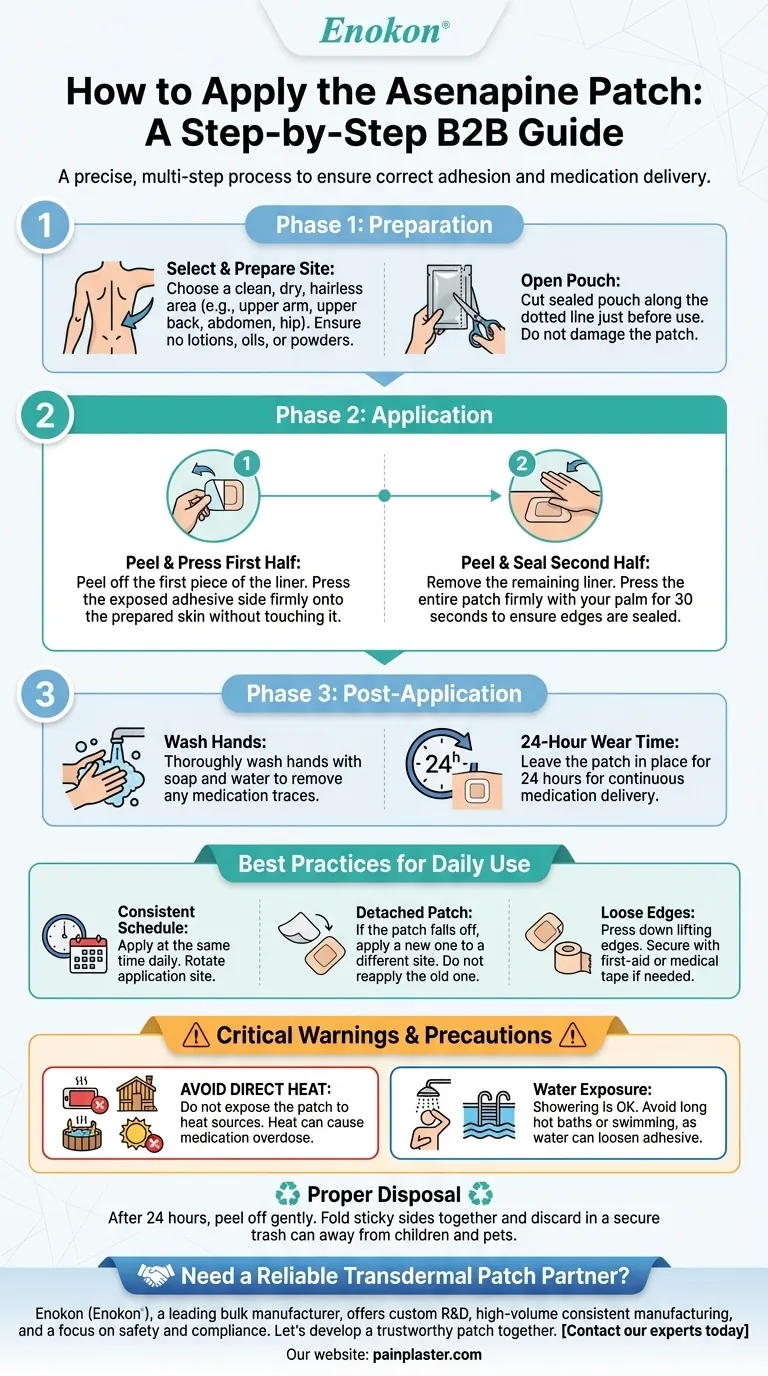
Visual Guide
Related Products
- Silicone Scar Sheets Patch Transdermal Drug Patch
- Far Infrared Heat Pain Relief Patches Transdermal Patches
- Menthol Gel Pain Relief Patch
- Icy Hot Menthol Medicine Pain Relief Patch
- Mugwort Wormwood Pain Relief Patch for Neck Pain
People Also Ask
- What role does a silicone-based transdermal delivery system play in Parkinson's? Enhancing Early-Stage Patient Care
- How is the long-term skin tolerance of silicone-based transdermal patches evaluated in clinical settings? R&D and Safety
- Why is a polarizing microscope used to evaluate the long-term stability of transdermal drug patches? Ensure Efficacy.
- What are common adverse effects of transdermal drug delivery? Risks & Prevention Tips
- What are the advantages of transdermal drug patches? Optimize Medication Delivery with Patches











