The oversized release liner is a strategic design choice that prevents adhesive "cold flow" from compromising product integrity. By extending beyond the dimensions of the patch backing, this design acts as a physical barrier that catches migrating adhesive. This prevents the patch from fusing to the internal packaging walls, ensuring a clean, reliable, and professional user experience upon opening.
An oversized release liner is an essential engineering feature for high-stability transdermal systems. It safeguards the product against storage-related adhesive migration, maintaining the precise dosage integrity and ease of use required for pharmaceutical-grade medical devices.
The Mechanics of Cold Flow Mitigation
Preventing Adhesive Migration to Packaging
In transdermal patches, pressure-sensitive adhesives (PSAs) can exhibit cold flow, a phenomenon where the adhesive slowly migrates beyond the patch backing during storage. If the release liner is the same size as the patch, this "overflowed" adhesive can bond with the inner wall of the packaging pouch.
Creating a Safety Buffer
An oversized liner provides an extended surface area that serves as a dedicated landing zone for migrating adhesive. This ensures that any overflow remains on the low-surface-energy liner rather than the secondary packaging, preventing the product from becoming stuck or damaged during extraction.
Ensuring Easy Product Retrieval
By neutralizing the risk of sticking to the pouch, the oversized liner guarantees that the user can remove the patch effortlessly. This is a critical technical requirement for maintaining the professional standards expected of leading pharmaceutical brands and B2B medical suppliers.
Protecting the Integrity of the Drug Delivery System
Safeguarding the Drug Matrix
The release liner is more than a cover; it is a critical component that protects the drug-containing adhesive layer from evaporation or degradation. High-quality liners ensure that the active pharmaceutical ingredients (APIs) remain stable and uncontaminated throughout the product's shelf life.
Optimizing Peeling Dynamics
The technical value of an oversized liner often includes easier removal for the patient. The extended edges provide a clear "starting point" for peeling, which reduces the risk of the user touching and contaminating the active adhesive surface with finger oils or skin particles.
Maintaining Consistent Dosage
When a patch sticks to its packaging, the drug-containing matrix can be torn or distorted during removal. An oversized liner prevents this structural damage, ensuring the precise delivery of the drug as formulated by R&D teams in GMP-certified facilities.
Understanding the Technical Trade-offs
Impact on Packaging Footprint
Using an oversized liner requires slightly larger primary packaging (pouches) to accommodate the extended dimensions. This can lead to increased material costs and a larger footprint in shipping and storage, which must be balanced against the reduction in product waste and returns.
Manufacturing Precision and High-Speed Scaling
Integrating oversized liners into high-volume production lines requires sophisticated OEM/ODM manufacturing expertise. Precise alignment is necessary to ensure the patch remains centered on the liner during the high-speed die-cutting process, requiring advanced machinery and stringent quality control.
Material Selection Challenges
The liner must possess a very low peel force to prevent damage to the drug coating structure during removal. Selecting a liner material that provides the necessary barrier properties while maintaining an effortless release is a complex R&D challenge that differentiates top-tier manufacturers.
Strategic Recommendations for Your Product Goal
Effective transdermal design requires balancing manufacturing efficiency with the end-user's clinical needs.
- If your primary focus is long-term shelf-life and stability: Prioritize oversized liners to mitigate adhesive migration risks that occur during extended storage in global supply chains.
- If your primary focus is patient compliance and ease of use: Select an oversized, "easy-peel" liner to ensure the elderly or those with limited dexterity can access the medication without damaging the patch.
- If your primary focus is high-volume market penetration: Partner with a manufacturer capable of precision-cutting oversized liners at scale to minimize defective units and maximize brand trust.
By prioritizing the technical advantages of oversized release liners, brand owners can ensure their transdermal products meet the highest standards of reliability and clinical efficacy.
Summary Table:
| Technical Feature | Primary Benefit | Impact on Product Quality |
|---|---|---|
| Cold Flow Mitigation | Prevents adhesive from sticking to pouch | Ensures clean extraction and professional UX |
| Extended Safety Buffer | Neutralizes edge migration risks | Maintains patch shape and structural integrity |
| Optimized Peeling | Provides a clear starting point for users | Reduces contamination and preserves adhesive layer |
| Drug Matrix Shielding | Stabilizes API environment | Prevents evaporation and ensures precise dosage |
| Precision Die-Cutting | Enables high-speed manufacturing | Minimizes defect rates in large-scale production |
Elevate Your Brand with Precision-Engineered Transdermal Solutions
Are you looking for a manufacturing partner that understands the technical nuances of patch stability? Enokon is a trusted brand and GMP-certified manufacturer specializing in wholesale transdermal patches and custom R&D. Our massive production capacity and stringent quality control ensure your products—from Lidocaine and Menthol to Herbal and Medical Cooling Gel patches—meet the highest pharmaceutical standards.
Why choose Enokon?
- Turnkey R&D: Custom formulations tailored to your specific market needs.
- Manufacturing Excellence: Advanced equipment for precision features like oversized release liners.
- Global Reliability: Proven OEM/ODM partner for leading brands with full certification support.
Note: We specialize in traditional transdermal systems and do not offer microneedle technology.
Ready to scale your production with a reliable B2B partner?
Contact Enokon Today to Request a Quote
References
- Anna M. Wokovich, Lucinda F. Buhse. Cold flow measurement of transdermal drug delivery systems (TDDS). DOI: 10.1016/j.ijadhadh.2015.02.002
This article is also based on technical information from Enokon Knowledge Base .
Related Products
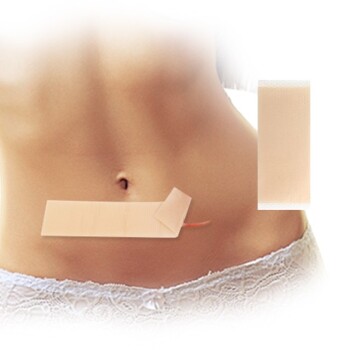
- Silicone Scar Sheets Patch Transdermal Drug Patch
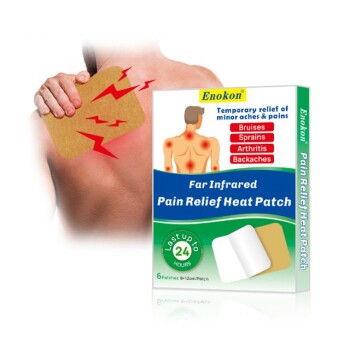
- Far Infrared Heat Pain Relief Patches Transdermal Patches
- Menthol Gel Pain Relief Patch
- Icy Hot Menthol Medicine Pain Relief Patch
- Mugwort Wormwood Pain Relief Patch for Neck Pain
People Also Ask
- What is the function of PDMS-NH2 in silicone patches? Catalyzing Room-Temp Curing for Heat-Sensitive APIs
- What role does a silicone-based transdermal delivery system play in Parkinson's? Enhancing Early-Stage Patient Care
- Why is TEOS used as a cross-linking agent in silicone transdermal patches? Ensure Structural Integrity & Drug Stability
- How do PEG 200 and Glycerol modify silicone transdermal patches? Optimize Drug Release and Patch Flexibility
- How is the long-term skin tolerance of silicone-based transdermal patches evaluated in clinical settings? R&D and Safety