
Lidocaine dermal patches are widely used for localized pain relief, but their safe and effective use requires adherence to specific precautions. Key considerations include proper application techniques, avoiding certain activities and environments, monitoring for side effects, and ensuring correct disposal. Users must also communicate with healthcare providers about medical procedures and other medications. Following these guidelines minimizes risks like skin irritation, systemic absorption, or accidental exposure while maximizing therapeutic benefits.
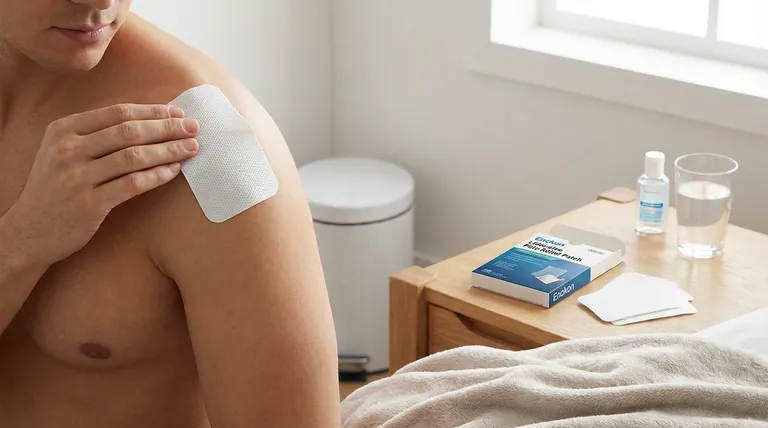
Key Points Explained:
-
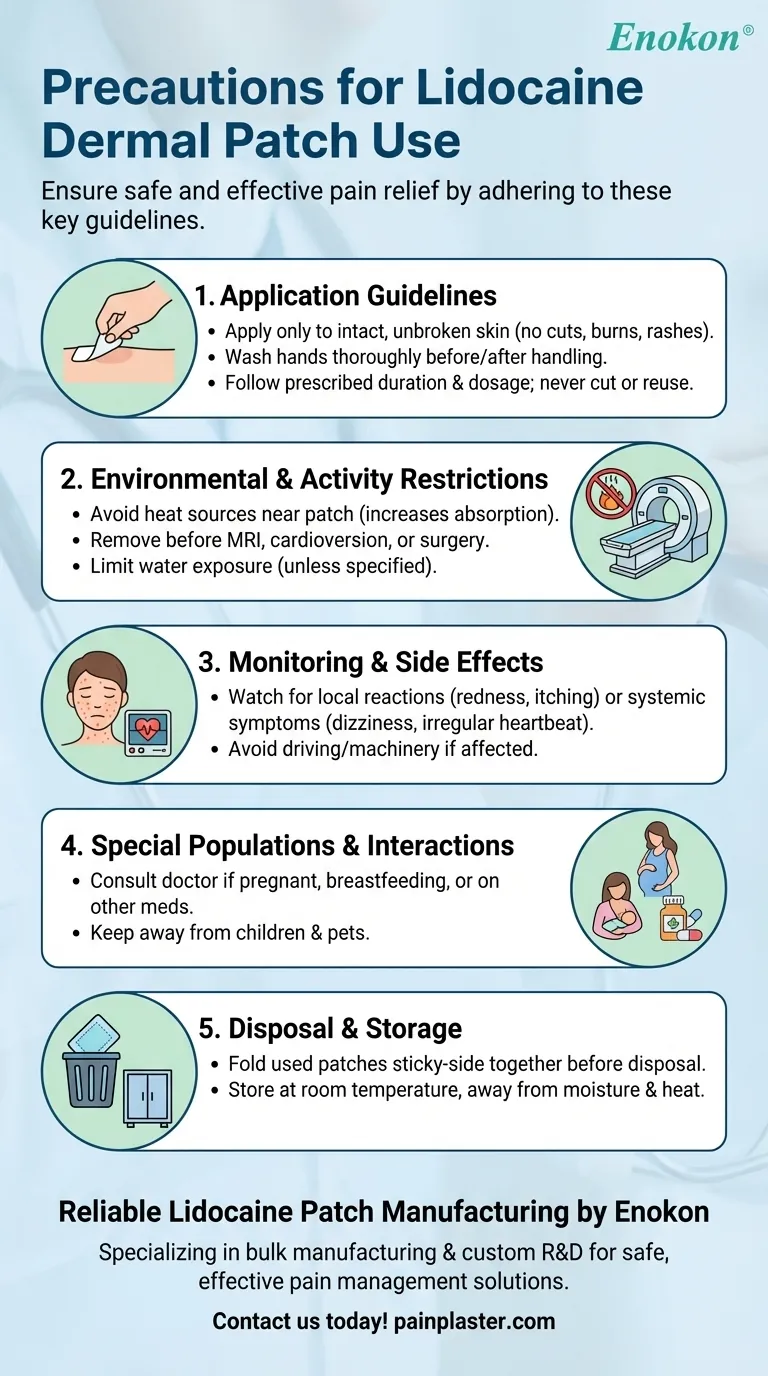
Application Guidelines
- Apply only to intact, unbroken skin—avoid areas with cuts, burns, or rashes.
- Ensure hands are washed before/after handling to prevent accidental eye contact. If contact occurs, rinse eyes immediately with cool water.
- Follow prescribed duration and dosage strictly; never cut or reuse patches.
-
Environmental & Activity Restrictions
- Avoid heat sources (heating pads, direct sunlight, hot baths) near the patch, as heat increases lidocaine absorption, raising overdose risks.
- Remove patches before MRI, cardioversion, or surgery to prevent burns or interference.
- Limit water exposure unless using Ztlido patches, which tolerate brief contact.
-
Monitoring & Side Effects
- Watch for localized reactions (redness, itching) or systemic symptoms (dizziness, irregular heartbeat). Discontinue use and seek medical help if severe.
- Avoid driving or operating machinery until confirming no numbness or dizziness affects coordination.
-
Special Populations & Interactions
- Consult a doctor before use if pregnant, breastfeeding, or taking other medications (e.g., antiarrhythmics) to avoid interactions.
- Keep patches away from children/pets—ingestion can cause toxicity.
-
Disposal & Storage
- Fold used patches sticky-side together before disposal to prevent accidental exposure.
- Store at room temperature, away from moisture and extreme heat.
By integrating these precautions into daily routines, users can safely manage pain while mitigating risks. Always prioritize open communication with healthcare providers for personalized adjustments.
Summary Table:
| Precaution Category | Key Actions |
|---|---|
| Application | Apply to intact skin; wash hands before/after use; avoid cutting or reusing. |
| Environmental Risks | Avoid heat sources, water exposure (unless Ztlido), and remove before MRIs. |
| Side Effects | Monitor for skin irritation or systemic symptoms like dizziness or irregular heartbeat. |
| Special Populations | Consult a doctor if pregnant, breastfeeding, or on other medications. |
| Storage & Disposal | Store at room temperature; fold used patches sticky-side together before disposal. |
Need reliable, high-quality lidocaine patches for your patients or brand?
At Enokon, we specialize in bulk manufacturing of transdermal patches and pain plasters, tailored to meet healthcare and pharmaceutical needs. Our expertise in custom R&D ensures safe, effective solutions for pain management.
Contact us today to discuss your requirements and benefit from our technical support!
Visual Guide
Related Products
- Lidocaine Hydrogel Pain Relief Patch for Pain Relief
- Menthol Gel Pain Relief Patch
- Icy Hot Menthol Medicine Pain Relief Patch
- Silicone Scar Sheets Patch Transdermal Drug Patch
- Far Infrared Heat Pain Relief Patches Transdermal Patches
People Also Ask
- How does the aqueous base in a lidocaine patch contribute to drug delivery? Unlocking Sustained Pain Relief Technology
- What are the physical and pharmacological mechanisms of Lidocaine hydrogel patches? Dual-Action Neuropathic Pain Relief
- How does the hydrogel carrier itself contribute to pain relief in Lidocaine Patches? Discover Dual-Action Therapy
- How do Lidocaine Hydrogel Patches accommodate large-area surgical pain sites? Modular and Customizable Relief Solutions
- What is the rationale behind the 12-hour application and 12-hour break cycle for Lidocaine Hydrogel Patches?












