
Most importantly, patients must avoid disposing of used fentanyl patches by simply throwing them in the household garbage or flushing them down the toilet. These common methods create a significant and potentially lethal risk of accidental exposure to others, especially children and pets.
The core principle of safe fentanyl patch disposal is recognizing that a "used" patch is not an empty one. It still contains a potent amount of medication that can cause severe harm or death if accidentally touched, ingested, or absorbed.
The Hidden Danger in Used Patches
The strict disposal protocols for fentanyl exist for one primary reason: a used patch still contains a large quantity of the opioid. Failing to dispose of it correctly exposes others to the risk of a dangerous overdose.
Why Trash and Toilets Are Unsafe
Throwing a patch in the garbage makes it accessible to children, pets, or anyone else who might handle the trash. Even minimal contact can lead to absorption through the skin.
Flushing patches introduces a powerful pharmaceutical into the water system, which is not designed to filter out such compounds. This can harm wildlife and contaminate the environment.
The Potency of Residual Fentanyl
Even after being worn for the prescribed time, a fentanyl patch can retain more than 50% of its original dose. This is more than enough to cause life-threatening breathing problems in someone who is not opioid-tolerant, particularly a child.
Risk of Accidental Exposure
A child might find a patch in the trash and mistake it for a sticker. A pet could chew on it. If a patch falls off a person and sticks to someone else, that person will begin absorbing the medication. Each of these scenarios can quickly become a medical emergency.
The Correct Protocol for Safe Disposal
Properly handling a used patch is a simple but critical process. It ensures the residual medication is secured and cannot cause accidental harm.
Step 1: Fold It Securely
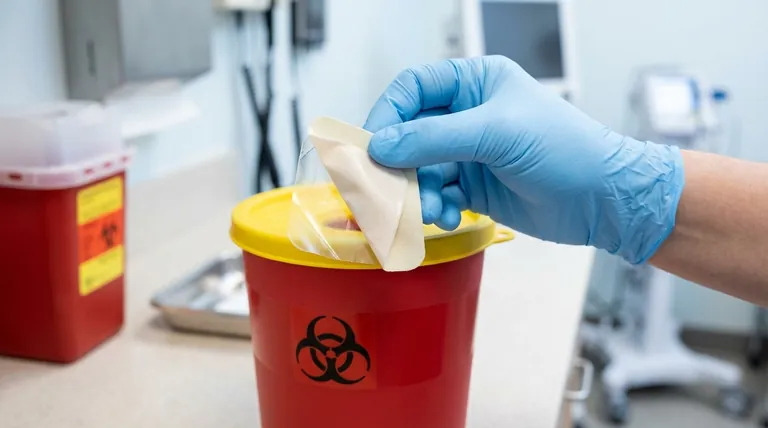
Using protective gloves if possible, carefully peel the patch off. Immediately fold it in half so that the sticky, adhesive side sticks firmly to itself. This seals in the remaining medication.
Step 2: Contain It Immediately
Place the folded patch in a tamper-proof and child-resistant container. A sharps container is ideal, but specific take-back programs may provide other approved containers.
Step 3: Return It to an Authorized Location
The safest final step is to bring the contained patch to a pharmacy or an authorized medication take-back location. These facilities are equipped to handle and dispose of controlled substances safely and according to federal regulations.
Broader Precautions When Using Fentanyl Patches
Safe disposal is part of a larger set of precautions necessary when handling this powerful medication. The goal is always to prevent accidental exposure and overdose.
Avoid Direct Heat
Never expose the patch to direct heat sources like heating pads, electric blankets, hot tubs, or intense sunlight. Heat increases the rate at which the medication is absorbed into your body, which can easily lead to an overdose.
Do Not Cut or Damage the Patch
A fentanyl patch is designed as a controlled-release system. Cutting, tearing, or otherwise damaging it destroys this system, causing a potentially fatal amount of the drug to be released all at once.
Keep Patches Away From Others
Ensure your patch is always secure and cannot accidentally transfer to another person, especially through close contact like hugging or sleeping in the same bed. If someone is experiencing an overdose, the first step is to remove any patch from their skin before calling for emergency help.
Making the Right Choice for Safety
Your actions directly impact the safety of your family and community. Following the correct disposal procedure is a non-negotiable part of using this medication responsibly.
- If your primary focus is protecting your family: Always fold the patch adhesive-to-adhesive and secure it in a child-proof container immediately after removal.
- If your primary focus is preventing environmental harm: Never flush patches down the toilet and always use official medication take-back programs.
- If your primary focus is preventing personal overdose: Avoid all sources of direct heat on the patch and never cut or alter it in any way.
Properly managing your medication from application to disposal is the most effective way to ensure safety for yourself and everyone around you.
Summary Table:
| Unsafe Method | Associated Risk |
|---|---|
| Throwing in household trash | Accidental exposure to children/pets; skin absorption |
| Flushing down the toilet | Environmental contamination; water system pollution |
Protect your patients and your brand with reliable, safe transdermal delivery systems. As Enokon, a bulk manufacturer of reliable transdermal patches and pain plasters for healthcare and pharma distributors and brands, we provide the technical expertise for custom R&D and development. Ensure the safety and efficacy of your products—contact our experts today to discuss your needs.
Visual Guide

Related Products
- Menthol Gel Pain Relief Patch
- Icy Hot Menthol Medicine Pain Relief Patch
- Capsaicin Chili Medicated Pain Relief Patches
- Lidocaine Hydrogel Pain Relief Patch for Pain Relief
- Asthma Cough and Pain Relief Patch for Adults and Kids
People Also Ask
- How effective are pain relief patches for muscle pain? Target Localized Pain with Transdermal Delivery
- How do pain relief patches compare to other pain relief methods? Discover Targeted, Long-Lasting Relief
- Who should consult a healthcare professional before using pain relief patches? Ensure Your Safety with Medical Advice
- What are some common applications of pain relief patches? Effective Relief for Muscle & Joint Pain
- What are pain relief patches and how do they work? Discover Non-Invasive Pain Management



















